31 Days of Halloween: Revisiting 1985’s “Day of the Dead” – George A. Romero’s Darkest Zombie Nightmare
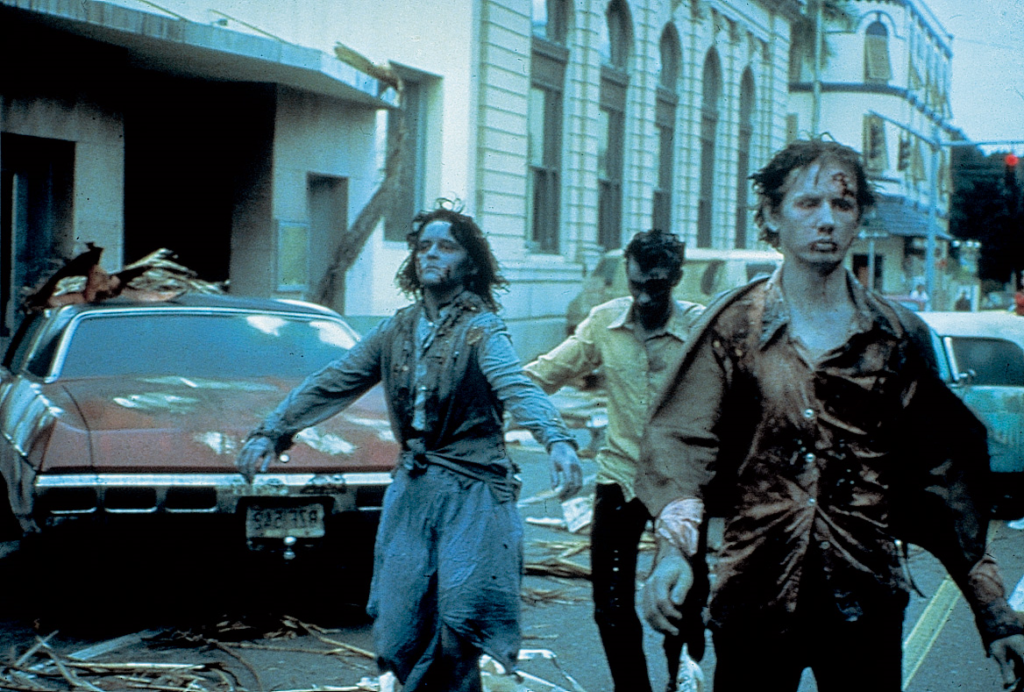
As we continue our 31 Days of Halloween horror movie retrospectives, today we revisit one of the most intense and thought-provoking zombie films of the 1980s—“Day of the Dead” (1985). Directed by the legendary George A. Romero, this third installment in his groundbreaking zombie trilogy is often hailed as the bleakest and most terrifying of them all. Following “Night of the Living Dead” (1968) and “Dawn of the Dead” (1978), “Day of the Dead” takes us to new depths of human despair and monstrous horror in a world ravaged by the undead.
The Plot: Humanity on the Brink of Extinction
“Day of the Dead” is set in a world where zombies have all but taken over the Earth, leaving only a small group of survivors living in an underground bunker. This group consists of military personnel, led by the aggressive and unstable Captain Rhodes (played by Joe Pilato), and a team of scientists, led by the more rational and empathetic Dr. Sarah Bowman (played by Lori Cardille).
The tension between the soldiers and scientists escalates as they disagree on how to handle the zombie apocalypse. While the military wants to assert control by force, the scientists—most notably Dr. Logan (aka “Frankenstein”)—are experimenting on the zombies in an attempt to understand and potentially control them. Enter Bub, the most fascinating zombie in the film, a test subject who shows signs of intelligence, emotional memory, and even a glimmer of humanity.
As resources dwindle and tempers flare, the bunker becomes a pressure cooker of fear, paranoia, and violence. When the tension finally boils over, the zombies break in, leading to one of the most gruesome and chaotic third acts in horror cinema.
Zombies as a Metaphor for Human Nature
One of the most compelling aspects of “Day of the Dead” is how it uses the zombie apocalypse to explore human nature and societal collapse. Romero’s zombies have always been more than just flesh-eating monsters—they’re metaphors for societal issues. In “Day of the Dead,” the true horror is not the undead, but the living. The survivors’ inability to cooperate and their descent into madness, greed, and power struggles highlight the fragility of civilization.
The film’s claustrophobic setting within the bunker enhances this theme. Trapped underground, cut off from the rest of the world, the characters’ interactions reflect the darkest parts of human nature. Romero explores how the apocalypse brings out both the best and worst in people, with the military’s brutal approach clashing with the scientific attempt to preserve humanity.
The Special Effects: Gore at Its Goriest
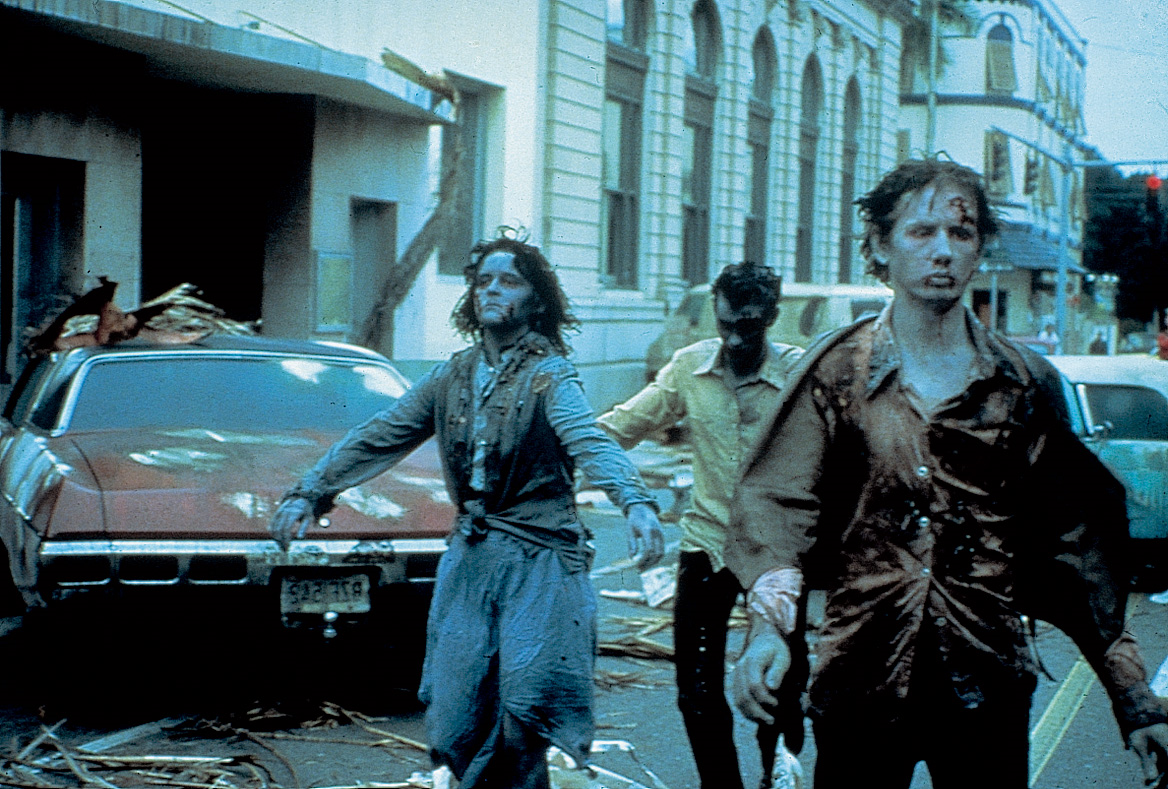
“Day of the Dead” is also renowned for its groundbreaking special effects, courtesy of makeup artist Tom Savini. The film’s practical effects remain some of the most realistic and gruesome in the history of horror cinema. The gut-wrenching scenes of dismemberment and decay are unflinchingly graphic, pushing the limits of gore on-screen. These practical effects are not just for shock value; they serve to make the zombie apocalypse feel real and visceral.
Bub: The Zombie with a Soul
While “Day of the Dead” is filled with memorable moments of horror, it’s the character of Bub—played by Sherman Howard—that steals the show. Bub is a zombie that Dr. Logan is training, and through his interactions with Logan, we see a flicker of intelligence, curiosity, and even affection. Bub is both terrifying and sympathetic, representing the film’s most poignant theme: that even in the apocalypse, traces of humanity can be found in the most unexpected places.
The Legacy: A Cult Classic with a Message
While “Day of the Dead” was not as commercially successful as its predecessor, “Dawn of the Dead,” it has since become a cult classic. Its grim tone, complex characters, and unrelenting tension have earned it a loyal following. Romero’s stark portrayal of human behavior in the face of catastrophe makes the film timeless, resonating with modern audiences just as strongly as it did in the 1980s.
As we continue celebrating this Halloween season, “Day of the Dead” remains a chilling reminder of what happens when humanity’s inner demons are unleashed. It’s more than just a zombie movie—it’s a reflection on survival, morality, and the darkness that lives inside us all.