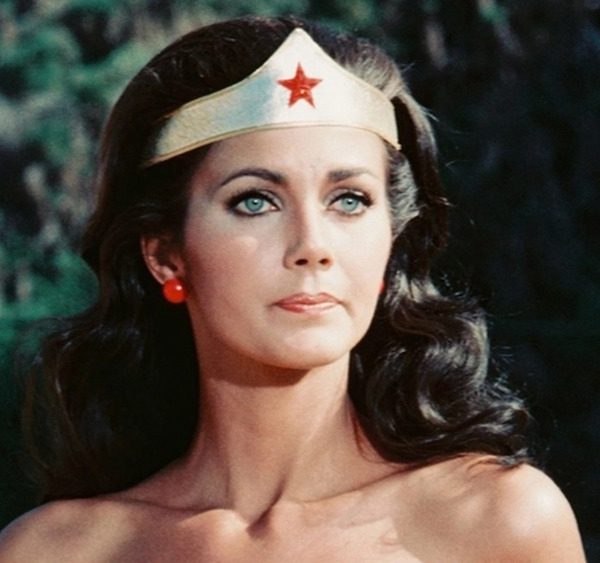
Spinning Into History: The Untold Truths Behind Lynda Carter’s Wonder Woman
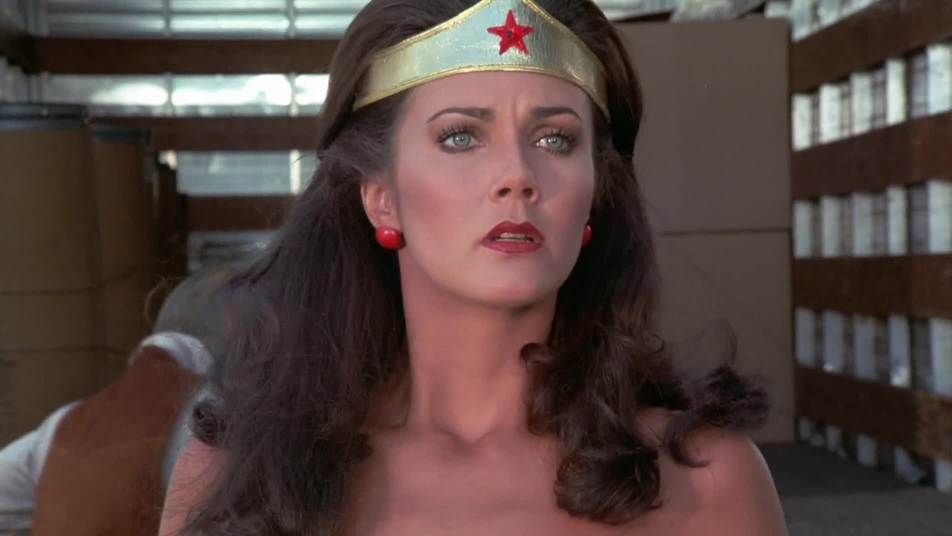
When you think of Wonder Woman on TV, the image of Lynda Carter twirling into her iconic red, white, and blue costume is almost universal. But the road to the 1970s Wonder Woman television series was anything but straightforward. Behind the glittery lasso and invisible jet was a tale of network doubts, last-minute casting decisions, and groundbreaking influence that helped shape superhero television for decades to come.
From Comic Panels to Primetime
Before Lynda Carter’s version of the Amazonian princess ever graced our screens, the idea of adapting Wonder Woman for television had floated around since the 1960s. However, studio executives were unsure if a female-led superhero show could draw a large audience, especially one based on a character as rooted in feminist symbolism as Wonder Woman.
In 1974, ABC tested the waters with a Wonder Woman pilot starring Cathy Lee Crosby. This version strayed heavily from the source material — blonde hair, no costume, and a tone closer to spy thrillers than comic books. Fans and critics didn’t buy it. The ratings were lukewarm, and purists were left scratching their heads. Still, the pilot’s moderate success gave ABC the confidence to take another shot — but this time, with the full might of the comic book mythos behind it.
The Real Sell: Staying True to the Comics
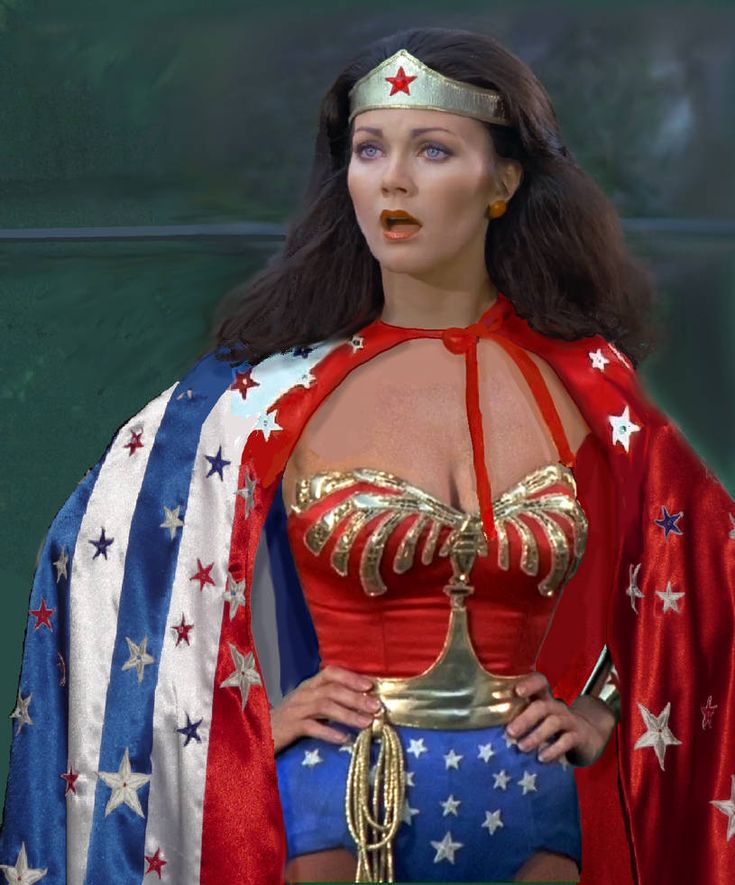
Producer Douglas S. Cramer and writer Stanley Ralph Ross understood what the original pilot missed: fans wanted the classic Wonder Woman. Ross pitched a version of the show set during World War II, much like the original comics by William Moulton Marston. This nostalgic, comic-accurate approach — complete with bullet-deflecting bracelets, a golden lasso of truth, and a patriotic costume — was what finally sold ABC on greenlighting a new pilot. The 1975 made-for-TV movie The New Original Wonder Woman became a ratings smash, and the network greenlit a full series.
A Crown Fit for a Newcomer
When casting the title role, the producers were looking for someone who looked the part — statuesque, strong, and strikingly beautiful. Lynda Carter, a former Miss World USA (1972) and relative newcomer to acting, had the right blend of elegance and charm. Despite her limited experience, Carter impressed the producers with her natural screen presence and genuine warmth — qualities that would define her Wonder Woman.
Interestingly, studio executives were initially unsure of Carter’s casting because of her lack of star power. But Carter’s performance in the pilot wowed both critics and audiences, quickly silencing the doubts. Her commitment to portraying Wonder Woman not just as a superhero, but as a kind and moral role model, resonated deeply with viewers — especially young girls.
The Man Behind the Woman
Lyle Waggoner, best known at the time as a comedic sidekick on The Carol Burnett Show, landed the role of Major Steve Trevor after being considered for Batman in the 1960s. Waggoner’s suave, heroic demeanor fit the bill perfectly. He brought just enough charm and earnestness to balance Carter’s more mythic presence. Waggoner also served as a “comforting” male presence in a show led by a strong female character, easing network concerns over gender dynamics.
A Legacy in Spandex
Though Wonder Woman only ran for three seasons (two on ABC and one on CBS), its impact was enormous. It paved the way for future superhero shows like The Incredible Hulk, The Flash, and eventually Lois & Clark. More importantly, it proved that a female superhero could carry a series — a precedent that wouldn’t truly be embraced again until the 2010s with shows like Supergirl and Jessica Jones.
Lynda Carter’s Wonder Woman wasn’t just a pop culture phenomenon; it was a pioneering moment in television history. Her spin into costume didn’t just transform Diana Prince — it transformed the way superhero stories were told on screen.