The Wild, Weird, and Wonderful Legacy of The Wild Wild West
Few television shows in history have dared to blend genres as boldly as The Wild Wild West. Airing from 1965 to 1969 on CBS, this unique series fused the classic American Western with the imaginative trappings of science fiction, espionage, and even steampunk before the term existed. With its daring stunts, eccentric villains, and charismatic leads, the series carved out a special place in pop culture and remains a groundbreaking classic.
Casting the Perfect Duo
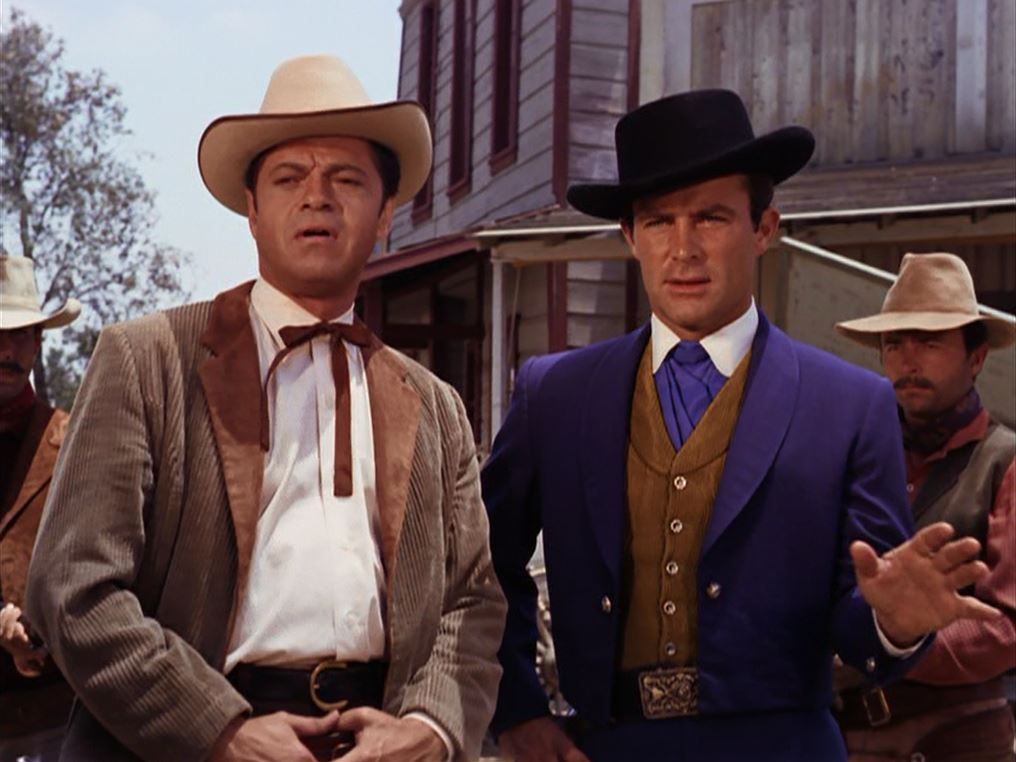
At the heart of The Wild Wild West was the dynamic partnership between Robert Conrad as James West and Ross Martin as Artemus Gordon. Conrad brought rugged charm and athleticism to West, the handsome government agent tasked with protecting President Ulysses S. Grant and thwarting all manner of conspiracies. Martin, meanwhile, was the brains of the operation, a master of disguise and inventor whose gadgets rivaled anything seen in spy thrillers of the era.
The chemistry between Conrad and Martin was undeniable. Conrad’s stoic, action-heavy performances balanced Martin’s witty, intellectual flair. Their contrasting styles created a formula that not only entertained audiences but also elevated the show far beyond a simple Western.
Behind-the-Scenes Challenges
Behind the camera, however, the show faced challenges that matched its on-screen peril. Robert Conrad, known for doing many of his own stunts, pushed himself to the limit during production. He later revealed that the physical demands were grueling, and he occasionally sustained injuries during the elaborate fight scenes and action sequences. His willingness to put himself on the line gave the show an authenticity that thrilled fans but also worried producers.
Ross Martin faced his own hurdles. In 1968, during the show’s fourth season, he suffered a heart attack that temporarily sidelined him. Guest stars and replacements filled the gap, but Martin’s absence was felt deeply by both the cast and the audience. His eventual return was celebrated, though the show was nearing its end by then.
Stories from the set often reflect a mix of camaraderie and intensity. The cast and crew frequently remarked on Conrad’s incredible dedication, while Martin was remembered for his creative input and improvisational skills, which brought depth to his disguises and comic timing.
A Groundbreaking Mix of Genres
What truly set The Wild Wild West apart was its audacious genre mash-up. At a time when Westerns were still TV staples, the series introduced elements of gadgetry, futuristic weapons, and eccentric villains with outlandish schemes. Dr. Miguelito Loveless, played masterfully by Michael Dunn, became one of television’s most memorable antagonists. His ingenious plots and fiery personality injected a near–comic book level of fantasy into the narrative.
The show often featured mechanical contraptions, secret lairs, and spy-tech devices that predated James Bond’s big-screen gadgets. Its influence can be traced through later television and film, including steampunk aesthetics and action-adventure series that dared to break free of strict genre boundaries.
Lasting Impact and Legacy
Though it ended after four seasons, partly due to concerns over television violence in the late 1960s, The Wild Wild West left an indelible mark. Its combination of Western grit and sci-fi imagination made it a precursor to countless hybrid genres that followed. Decades later, it inspired reunion TV movies and even a 1999 feature film adaptation starring Will Smith and Kevin Kline, proving the concept still had cultural traction.
Fans continue to celebrate the original series for its daring originality, unforgettable performances, and sheer sense of fun. In hindsight, it’s easy to see why The Wild Wild West remains one of the most inventive shows of its time—a true pioneer in television storytelling.