The Definitive Dickens… According to Talking Felt
A Surprisingly Faithful, Deeply Emotional Look Back at The Muppet Christmas Carol (1992)
I know how this sounds, but I’ll say it anyway: The Muppet Christmas Carol (1992) might be the most faithful—and emotionally effective—adaptation of Dickens’ story ever put on screen. And yes, I’m fully aware that this version stars talking felt, singing rats, and a blue furry narrator who breaks the fourth wall every five seconds. Somehow, none of that undermines the story. In fact, it makes it stronger. This movie understands Dickens in a way that a lot of straight-faced adaptations never quite manage to.
At the center of it all is Michael Caine as Ebenezer Scrooge, delivering one of the most committed performances in the entire history of Muppet movies. Caine plays the role completely straight. No winks. No jokes. No ironic distance. He treats the Muppets as if they are the most serious actors he’s ever worked with—and that choice is what makes everything work. His Scrooge is cruel, dismissive, cold, and genuinely unpleasant at the start. And because Caine never softens him early, the redemption later actually lands with weight.
Then you’ve got the Muppets themselves, who somehow manage to add humor without diluting the emotional core. Kermit the Frog as Bob Cratchit is inspired casting. He’s gentle, tired, hopeful, and quietly loving—the perfect counterbalance to Scrooge’s bitterness. Miss Piggy as Mrs. Cratchit brings warmth, humor, and just the right amount of theatrical flair. And Tiny Tim, played by Robin the Frog, delivers one of the most heartfelt versions of that character ever. His presence is soft, hopeful, and devastating in the way only the Muppets can manage without tipping into sentimentality.
And then there’s Gonzo as Charles Dickens himself, narrating the story with help from Rizzo the Rat. This duo could have easily derailed the movie, but instead, they ground it. Gonzo’s narration keeps the language surprisingly close to Dickens’ original text, while Rizzo provides just enough comic relief to keep things moving. It’s a perfect balance. You get the poetry of Dickens without the heaviness—and the humor never comes at the expense of the story’s emotional truth.
The songs deserve special mention too. Paul Williams’ score is quietly brilliant. “Scrooge” is theatrical and biting. “It Feels Like Christmas” captures joy without being saccharine. “Bless Us All” is gentle and hopeful. And “When Love Is Gone”—yes, the song that’s been controversially cut and restored over the years—is absolutely essential. That moment gives emotional context to Scrooge’s pain. Without it, his arc feels incomplete. With it, the entire story deepens.
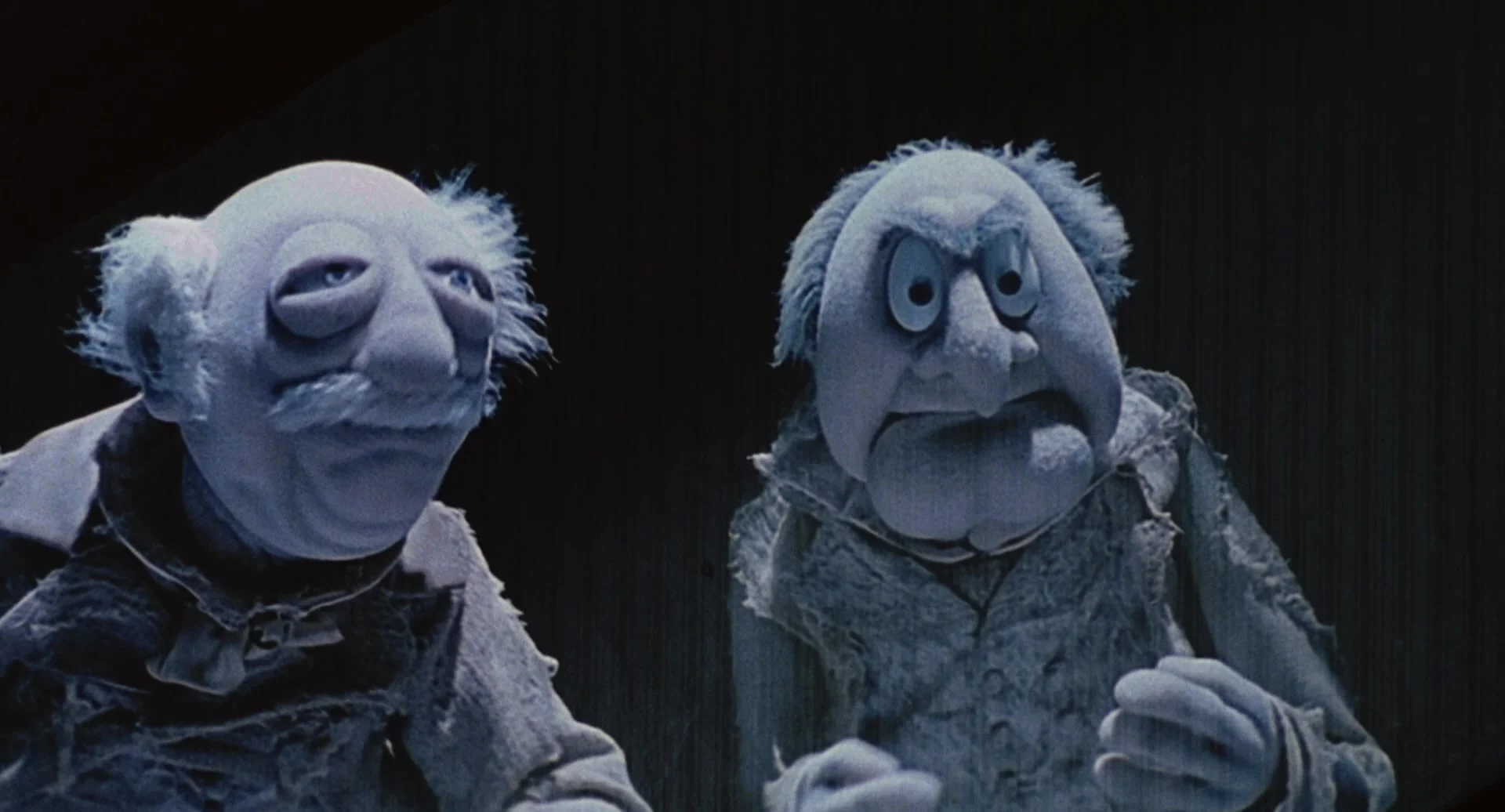
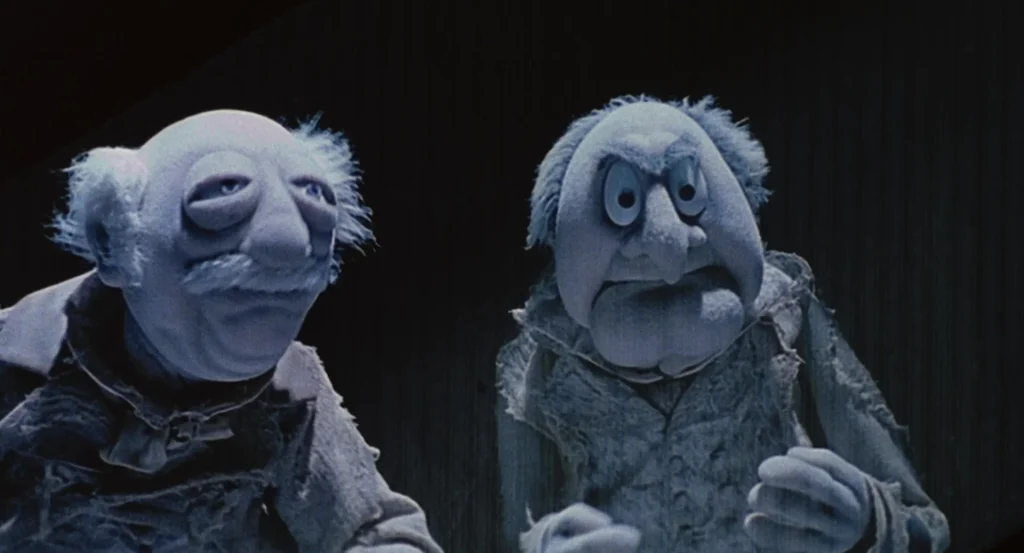
Visually, the film strikes a beautiful balance between gothic atmosphere and Muppet charm. Foggy streets, candlelit rooms, and shadowy hallways coexist with felt faces and expressive eyes. The Ghost of Christmas Yet to Come is especially effective—silent, looming, and genuinely creepy. The fact that a Muppet movie includes one of the scarier versions of that ghost is still kind of amazing.
What really makes The Muppet Christmas Carol endure is how much it respects its audience. It doesn’t talk down to kids, and it doesn’t water down the message for adults. It trusts that viewers can handle sadness, regret, fear, and redemption—all wrapped in humor and music. That trust is rare, especially in family films.
Rewatching it now, I’m always struck by how complete it feels. It’s funny. It’s sad. It’s warm. It’s faithful. It understands that A Christmas Carol isn’t just a story about becoming nice—it’s about confronting who you’ve been and choosing to be better. And somehow, this version delivers that message with the help of frogs, pigs, and rats… without ever losing its soul.
So yes—this may very well be the definitive Dickens adaptation. Just… according to talking felt. And honestly? Dickens probably would’ve loved it.