The Christmas Classic That Reminds Us Not to Jump Off Bridges
A Deeply Human, Surprisingly Dark, Eternally Necessary Look Back at It’s a Wonderful Life (1946)
There’s a reason It’s a Wonderful Life isn’t just a Christmas movie—it’s the Christmas movie. Not because it’s the jolliest, or the most festive, or even the easiest watch. It’s not. This movie is heavy. It’s emotional. It’s quietly devastating in places. And that’s exactly why it endures. Beneath the angels and snowflakes is a story about exhaustion, disappointment, sacrifice, and the terrifying question of whether your life actually mattered.
George Bailey is not living the life he imagined. That’s the core truth of this film, and it hits harder the older you get. As a young person, you watch George and see a decent guy who just hasn’t caught a break yet. As an adult, you watch George and realize… oh no. This is a man who gave up dream after dream for other people. Travel. Ambition. Adventure. All quietly traded away in the name of responsibility. And while everyone around him benefits, George is left wondering if there’s anything left for himself.
That’s what makes this movie feel so honest. It doesn’t romanticize sacrifice. It shows the cost of it. George is loved, respected, admired—but he’s also tired. He’s angry. He’s trapped. And when everything finally collapses around him, the movie doesn’t soften the blow. His despair feels real. Uncomfortable. Human. This is not a cozy Christmas fantasy—it’s a crisis of faith wrapped in holiday lights.
Enter Clarence, the angel who hasn’t earned his wings yet and might be the most unassuming savior in movie history. Clarence doesn’t lecture George. He doesn’t shame him. He shows him something far more powerful: what the world would look like if he had never existed. And suddenly, the movie transforms from a character drama into a quiet existential gut punch.
Pottersville—the alternate reality without George—is cold, cynical, and stripped of warmth. It’s not just worse because the villain wins. It’s worse because kindness loses. Small moments of generosity disappear. Lives unravel. And George finally understands that a life doesn’t have to be loud or famous to be important. It just has to touch other people.
One of the most beautiful things about It’s a Wonderful Life is that it doesn’t pretend George’s problems magically vanish at the end. He doesn’t suddenly get rich. He doesn’t escape Bedford Falls. What changes is his perspective. He realizes that meaning isn’t measured by success—it’s measured by connection. That realization doesn’t erase hardship, but it makes it bearable.
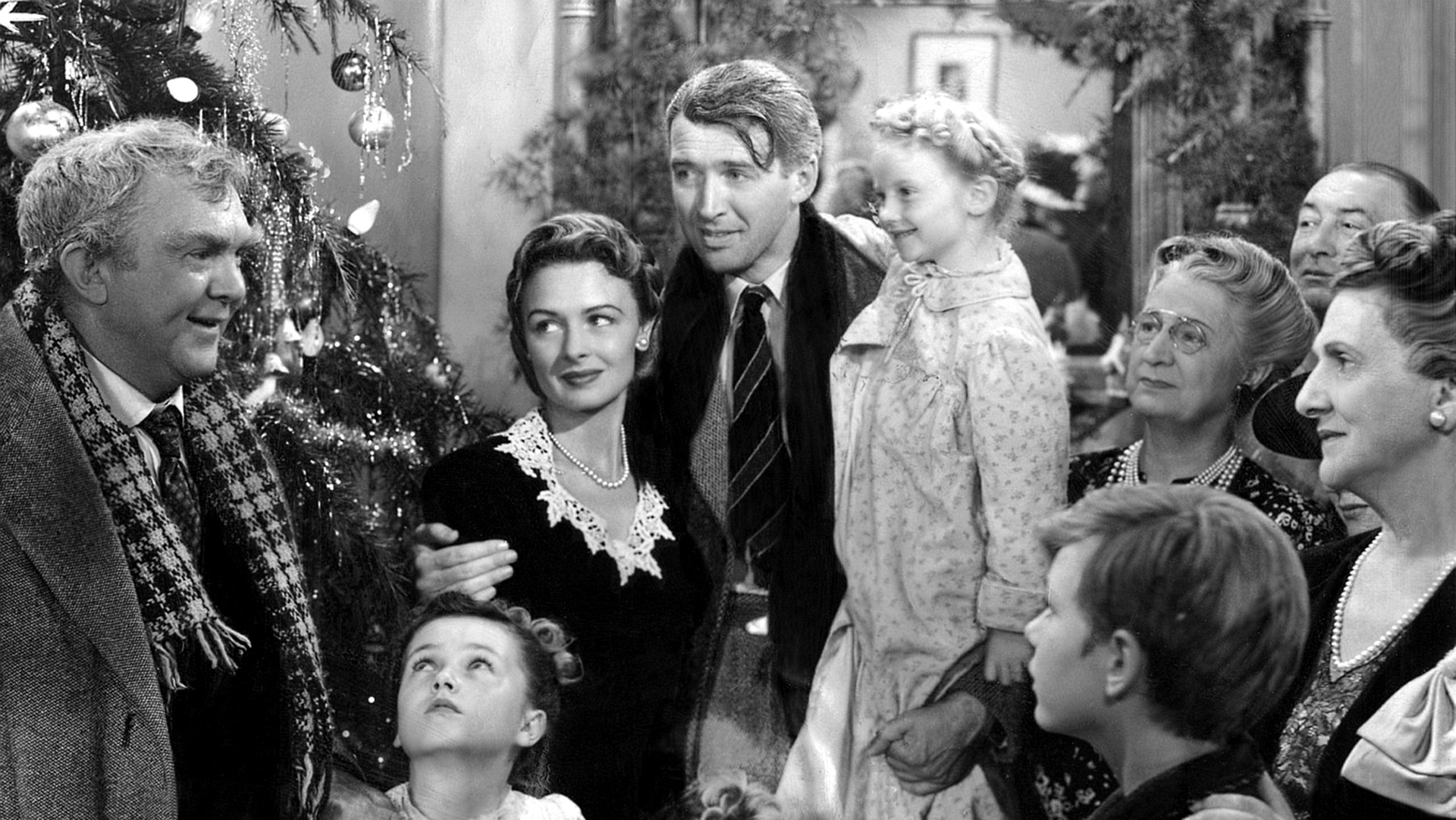
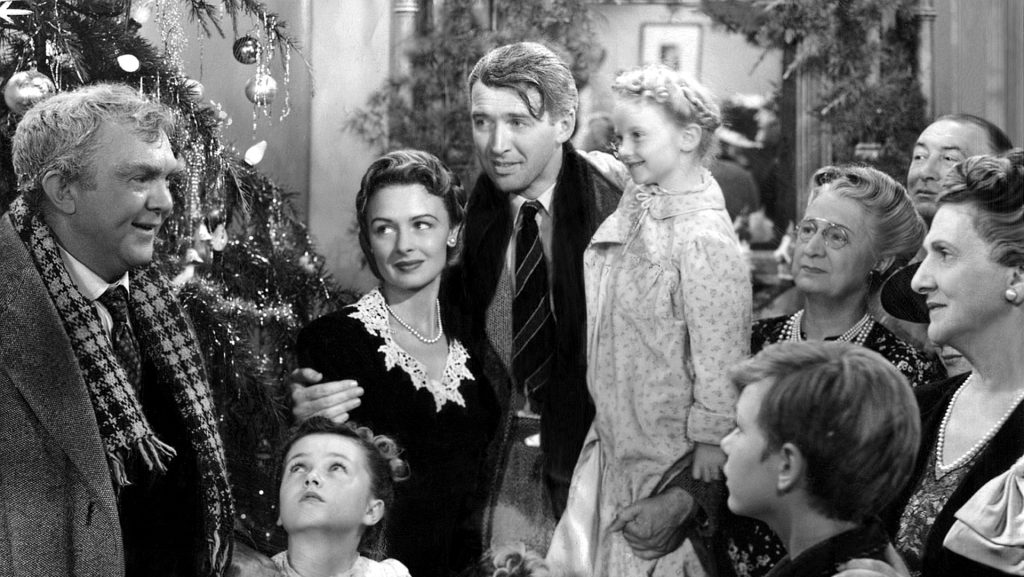
And then comes the ending. The famous ending. The one that turns the lump in your throat into a full emotional breakdown if you’re not careful. The town shows up. Not because George is perfect—but because he mattered. Because he helped. Because he showed up for them, again and again, even when it cost him something. That scene works not because it’s sentimental, but because it’s earned.
Rewatching this film now, I’m always struck by how brave it is. It allows its protagonist to be flawed, bitter, and broken without ever condemning him. It acknowledges that good people can feel crushed by life—and that those feelings don’t negate their worth. That’s a powerful message, especially around the holidays, when everything is supposed to feel joyful whether you’re ready or not.
Visually, the black-and-white cinematography gives the film a timeless quality. Snow feels softer. Light feels warmer. Shadows feel heavier. It looks like memory itself. And the performances—especially James Stewart’s—feel raw in a way that modern films sometimes shy away from. His breakdown is messy, desperate, and painfully believable.
That’s why this movie continues to resonate. It doesn’t offer an escape from reality. It offers context for it. It reminds us that our impact isn’t always visible to us, especially when we’re in the middle of living it. And sometimes, the most important thing a story can do is remind us that we matter—especially when we feel like we don’t.
So yes—It’s a Wonderful Life is the Christmas classic that reminds us not to jump off bridges. But more importantly, it reminds us to look around first. To see who we’ve helped. Who we’ve loved. And who would notice if we were gone.
And that’s a message worth revisiting every single year.