For the Honor of Grayskull: She-Ra Was NEVER “Just for Girls”
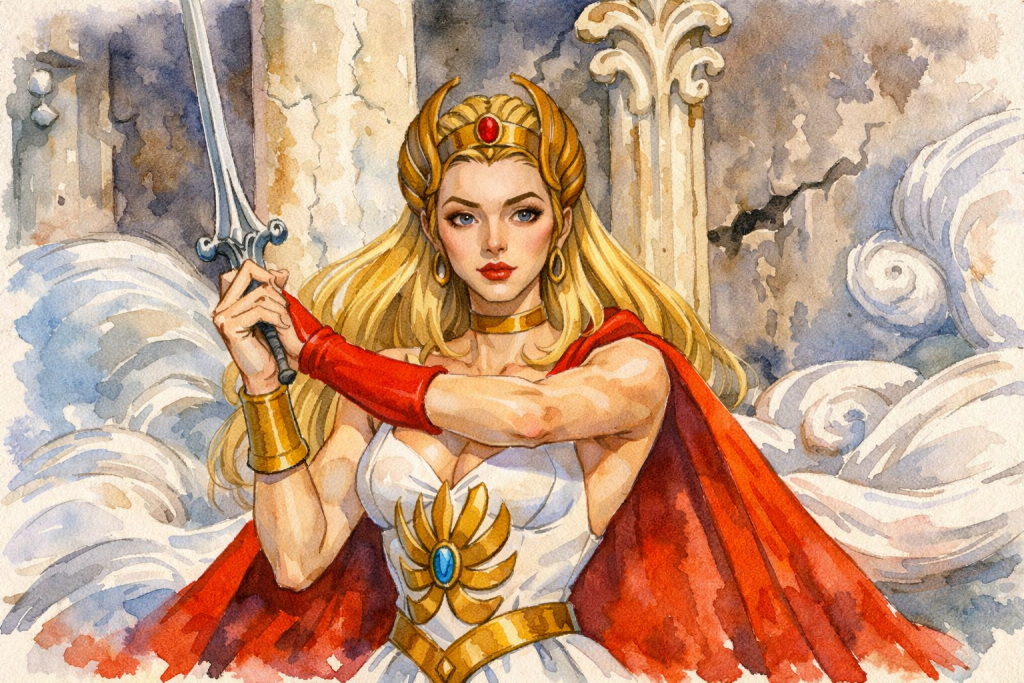
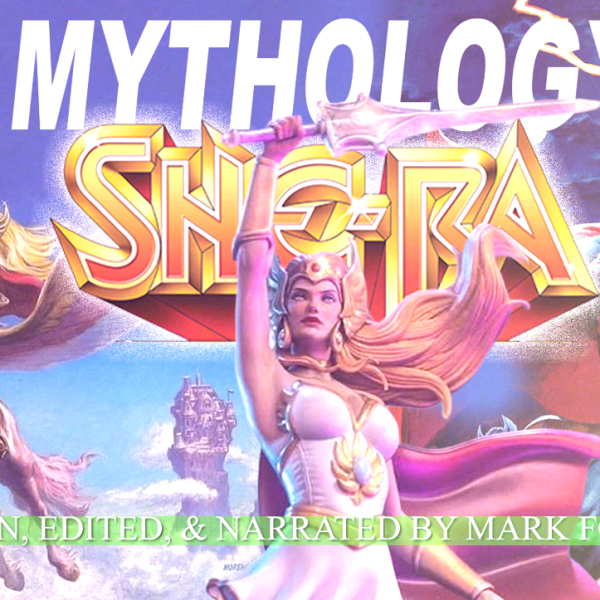
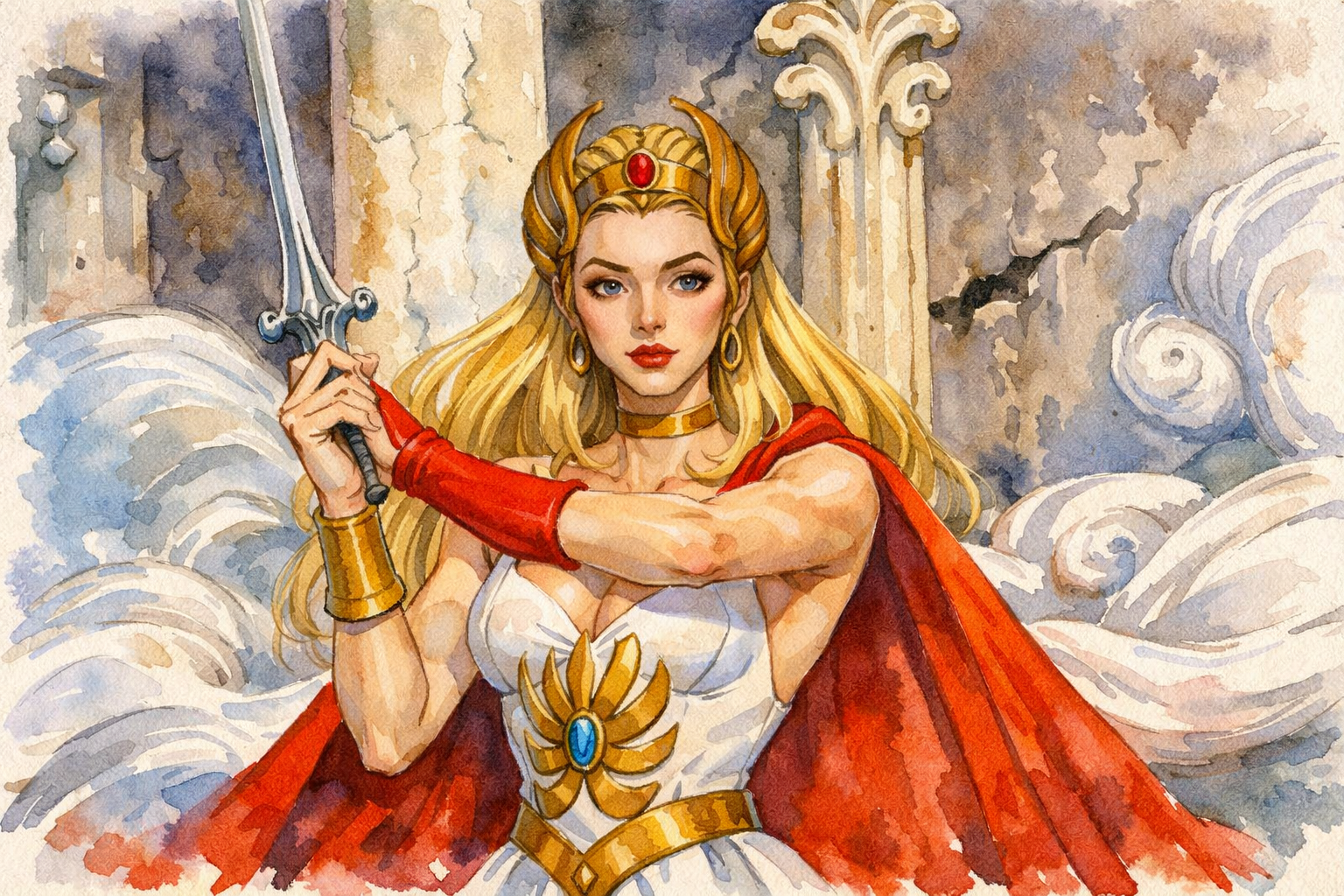
She-Ra: Princess of Power wasn’t just an 80s cartoon—it was a full-blown Saturday morning legend with muscles, magic, and meaning, and it absolutely was not “just for girls.” Back when neon ruled the world and every toy aisle looked like a plastic battlefield, She-Ra arrived in 1985 like a lightning bolt in a glittering cape, proving instantly that heroism doesn’t belong to one gender, one demographic, or one side of the playground. Sure, the marketing might’ve tried to sort kids into neat little boxes—this show for them, that show for you—but She-Ra stomped right over that idea in her gold boots and kept running. The moment Adora raises the Sword of Protection and transforms, it’s not some soft, secondary spin-off moment—it’s power in its purest form, the kind of transformation that hits like a drumroll and makes your brain go, “Okay… this is serious.”
And what made She-Ra special wasn’t just the action (though yes, there was plenty of action): it was the way the show blended fantasy adventure with real stakes, real emotion, and a surprisingly rich world that felt bigger than the screen. Adora wasn’t simply a perfect princess floating through trouble; she was a hero with a past, someone raised by the Horde—basically the worst group project partners in the history of evil—and brave enough to walk away from everything she knew in order to do what was right. That alone gave the story a backbone, because redemption arcs aren’t “girly” or “boyish”—they’re human, and they’re compelling, and they make you care.
She-Ra didn’t just fight battles, she built a rebellion, forged friendships, and led like someone who actually understood that strength isn’t just about swinging a sword, it’s about standing up when it would be easier to stay silent. The show delivered bright, unforgettable characters and dynamics that crackle even decades later, like Catra—equal parts dangerous, dramatic, and fueled by the kind of rivalry that could power a city grid—and villains like Hordak, whose whole vibe was “mechanized tyrant with zero chill.” The Horde itself wasn’t harmless cartoon mischief; it was an occupying force, a looming shadow over Etheria, and that gave She-Ra an edge that made it feel like more than a simple monster-of-the-week adventure. Even when the series sprinkled in humor, it never undercut the heart of the story—there was always a sense of loyalty, courage, and hope pushing through the battles and laser blasts. That’s why boys watched it too, even if they didn’t shout it from the rooftops—because what kid in the 80s didn’t want epic quests, evil fortresses, heroic teamwork, wild creature designs, and a lead character who felt genuinely inspiring? She-Ra was the total package: bold action, big fantasy, memorable villains, and a hero who didn’t need to be cold or cruel to be powerful. She showed that bravery can be compassionate, that leadership can be kind, and that strength doesn’t have to roar to be real. So if anyone ever brushed She-Ra off as “not for them,” the truth is simpler: the show was always for anyone who loved adventure, heroes, and stories where good fights back against the dark—and She-Ra, shining like a watercolor streak of gold across the 80s sky, remains one of the era’s greatest icons because she didn’t ask permission to be legendary.