From Boston to Vulcan: How Leonard Nimoy Turned a Tough Start into Pop-Culture Immortality
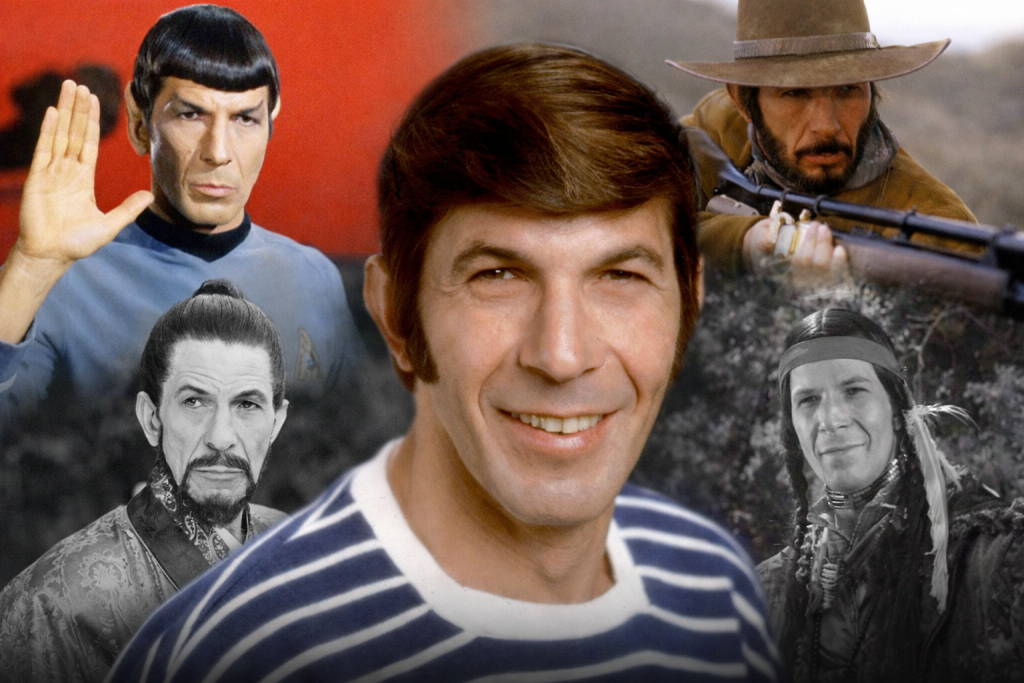
Before he was the coolly logical Mr. Spock, Leonard Nimoy was a working-class kid from Boston with big ambitions and no guaranteed path to stardom. Born in 1931 to immigrant parents, Nimoy grew up in a modest neighborhood and learned early that success would require grit, discipline, and patience. His parents had come from what is now Ukraine, and that immigrant family background shaped his outlook. He understood hard work long before he understood fame.
Nimoy got interested in acting as a child and began performing in local theater productions while still young. But like many future stars, he did not glide straight into Hollywood glory. In his pre-Star Trek years, Nimoy took acting classes, served in the U.S. Army, and worked a string of jobs to support himself while chasing parts. Those early years were packed with small roles in film and television, including appearances in westerns, crime shows, serials, and low-budget features. He had talent, certainly, but for a long stretch he was one of many recognizable-but-not-yet-famous faces trying to break through in a crowded business.
That long apprenticeship mattered. Nimoy developed a sharp, disciplined screen presence that made him stand out even in brief appearances. He could play intense, intelligent, mysterious, or quietly dangerous characters with very little wasted motion. In hindsight, those qualities made him perfect for the role that would define his career.
Then came Star Trek.
When Nimoy was cast as Mr. Spock in the 1960s television series, he created one of the most iconic characters in entertainment history. Spock was half-human, half-Vulcan, brilliant, restrained, and endlessly fascinating. In lesser hands, the character might have been stiff or gimmicky. Nimoy made him human by making him struggle. Beneath the logic, pointed ears, and raised eyebrow was a being constantly balancing reason and feeling, duty and identity. That tension gave Spock depth, and Nimoy played it beautifully.
What makes Nimoy’s run as Spock so remarkable is how long and how successfully it lasted. He didn’t just play Spock on the original series. He carried the role into animation, feature films, later television appearances, and the broader cultural imagination for decades. For generations of fans, Spock became the intellectual heart of Star Trek, and Nimoy’s performance was a major reason the franchise endured. His delivery, timing, and physical control made even the simplest lines memorable. He made “logical” sound dramatic, moving, and sometimes even funny.
Nimoy also brought his distinctive voice to another major piece of 1980s pop culture: The Transformers: The Movie (1986). As Galvatron, he delivered a commanding vocal performance full of menace and theatrical force. It was a great match for him. The same control that made Spock compelling gave Galvatron authority, but here Nimoy let it rip with more rage and villainous grandeur. For many fans, hearing Leonard Nimoy in a Transformers movie was one of those delightful moments when two pop-culture worlds collided in the best possible way.
Leonard Nimoy’s career was never just about pointed ears. It was about perseverance, intelligence, and turning a unique presence into a lasting legacy. Still, Spock remains his brightest star—and thanks to Nimoy, it will live long and prosper forever.