
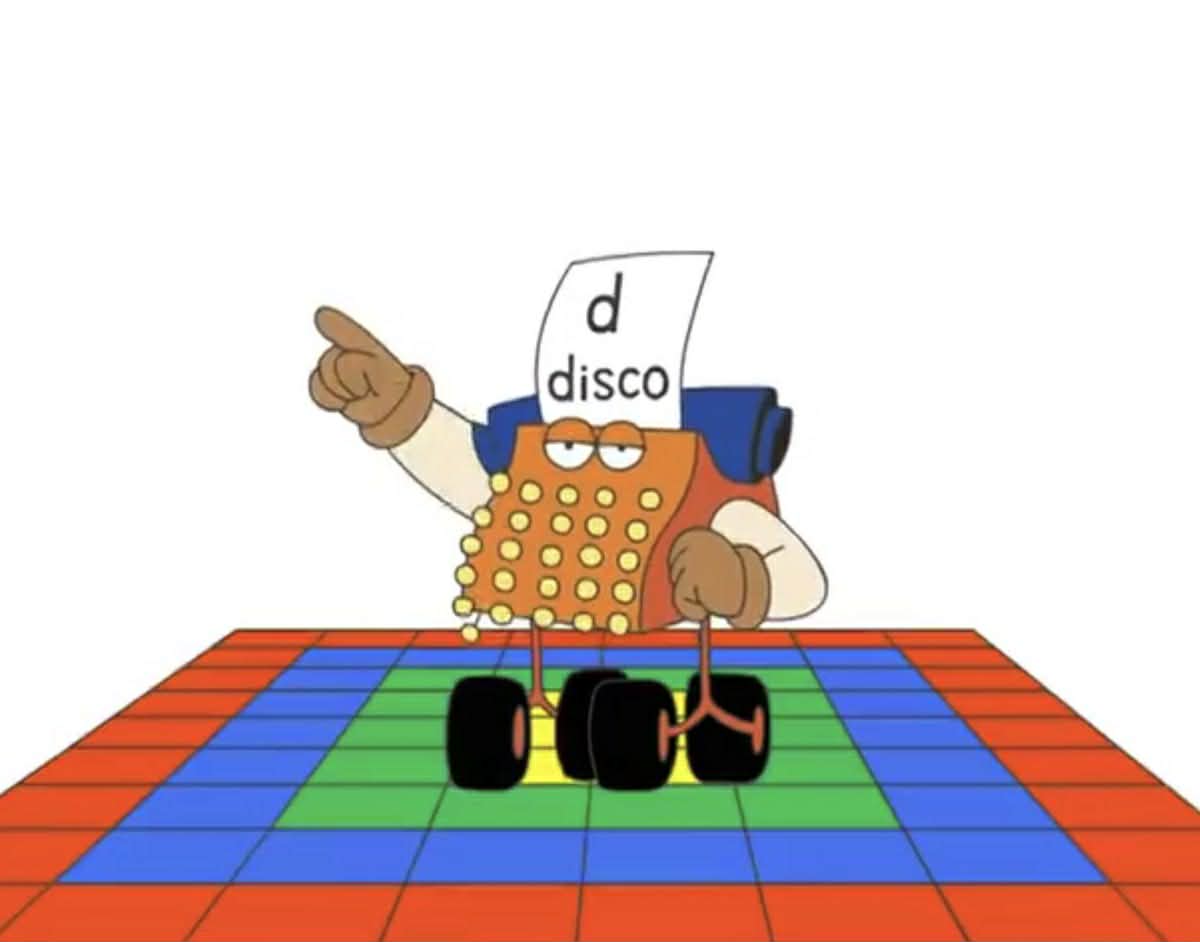
Nu Ne Nu Nu! The Typewriter Guy Who Taught a Generation to Laugh and Read
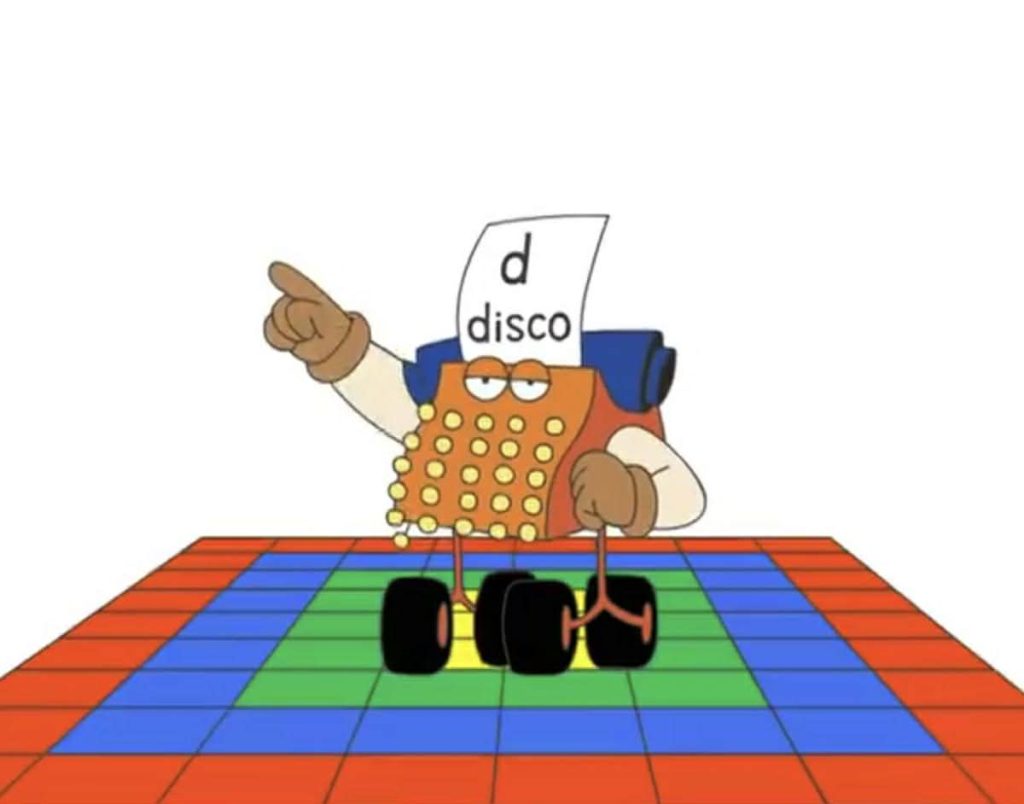
If you grew up watching Sesame Street, you probably remember a quirky little animated character who didn’t speak in full sentences—but somehow said everything perfectly.
“Nu… ne… nu nu!”
That’s right—the Typewriter Guy.
This unforgettable character would pop up in short animated segments, furiously typing away at a typewriter while vocalizing a string of rhythmic, nonsensical sounds. With every clack of the keys, letters and shapes would come to life, forming simple words or ideas in a way that was both funny and educational. And while kids may not have understood every sound, they felt the meaning.
So where did this oddball icon come from?
The Typewriter Guy was part of the early experimental animation style that defined Sesame Street in its golden era. The character itself is most closely associated with the creative genius of Jim Henson and his production team, who were responsible for bringing a wide variety of imaginative segments to life during the show’s formative years.
But unlike the Muppets, this wasn’t a puppet—it was animation.
Many of these animated inserts were produced by independent artists and studios commissioned by the Children’s Television Workshop (now Sesame Workshop). The Typewriter Guy segments are widely credited to animator Jim Henson Associates animation collaborators and similar creative teams who specialized in abstract, rhythmic animation designed to teach early literacy skills.
The brilliance of the Typewriter Guy lies in its simplicity.
There wasn’t a traditional script in the sense of dialogue-heavy storytelling. Instead, writers and educators worked together to develop short concepts—focused on phonics, letter recognition, and sound association. The “nu ne nu nu” vocalizations weren’t random; they were carefully crafted to mimic the rhythm and repetition that helps young children grasp language patterns.
In other words, it felt silly—but it was secretly smart.
The animation style also played a huge role. The character’s exaggerated movements, combined with the syncopated typing sounds, created a kind of visual music. Kids didn’t just watch—they experienced it. The repetition made it memorable, and the humor made it stick.
And let’s be honest—once you heard “nu ne nu nu,” it was impossible to forget.
One of the lesser-known aspects of these segments is how experimental they really were. Sesame Street wasn’t just a TV show; it was a testing ground for new ways to teach children. The Typewriter Guy is a perfect example of how the show blended art, education, and entertainment in ways that hadn’t been done before.
No flashy storyline. No big cast.
Just a guy… a typewriter… and a whole lot of “nu ne nu nu.”
Today, these segments are a nostalgic time capsule for fans who grew up in the ’70s and ’80s. They represent a time when children’s television wasn’t afraid to be weird, creative, and a little abstract—all in the name of learning.
And maybe that’s why the Typewriter Guy still resonates.
Because sometimes, the simplest sounds… make the biggest impact.
I totally remember being captivated by him. It’s amazing how effective those simple sounds were for learning!