From Silicon to Spelling: The Beep-Boop Box That Taught a Generation to Read
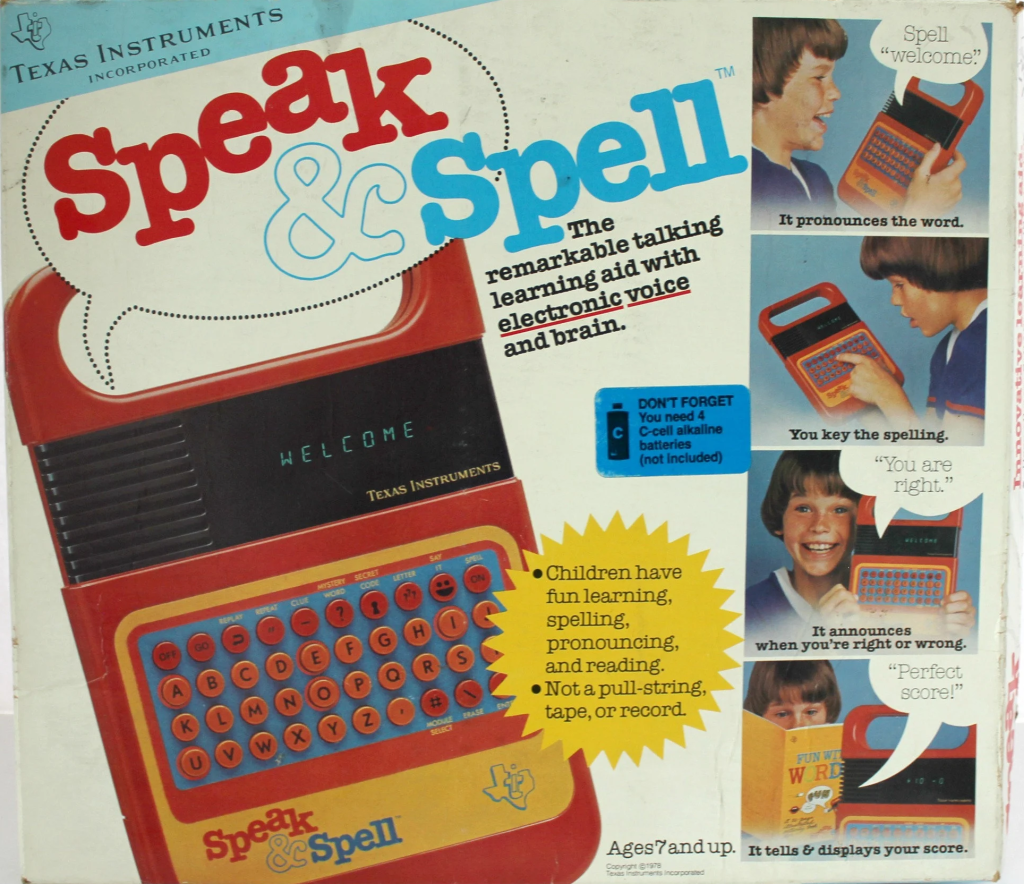
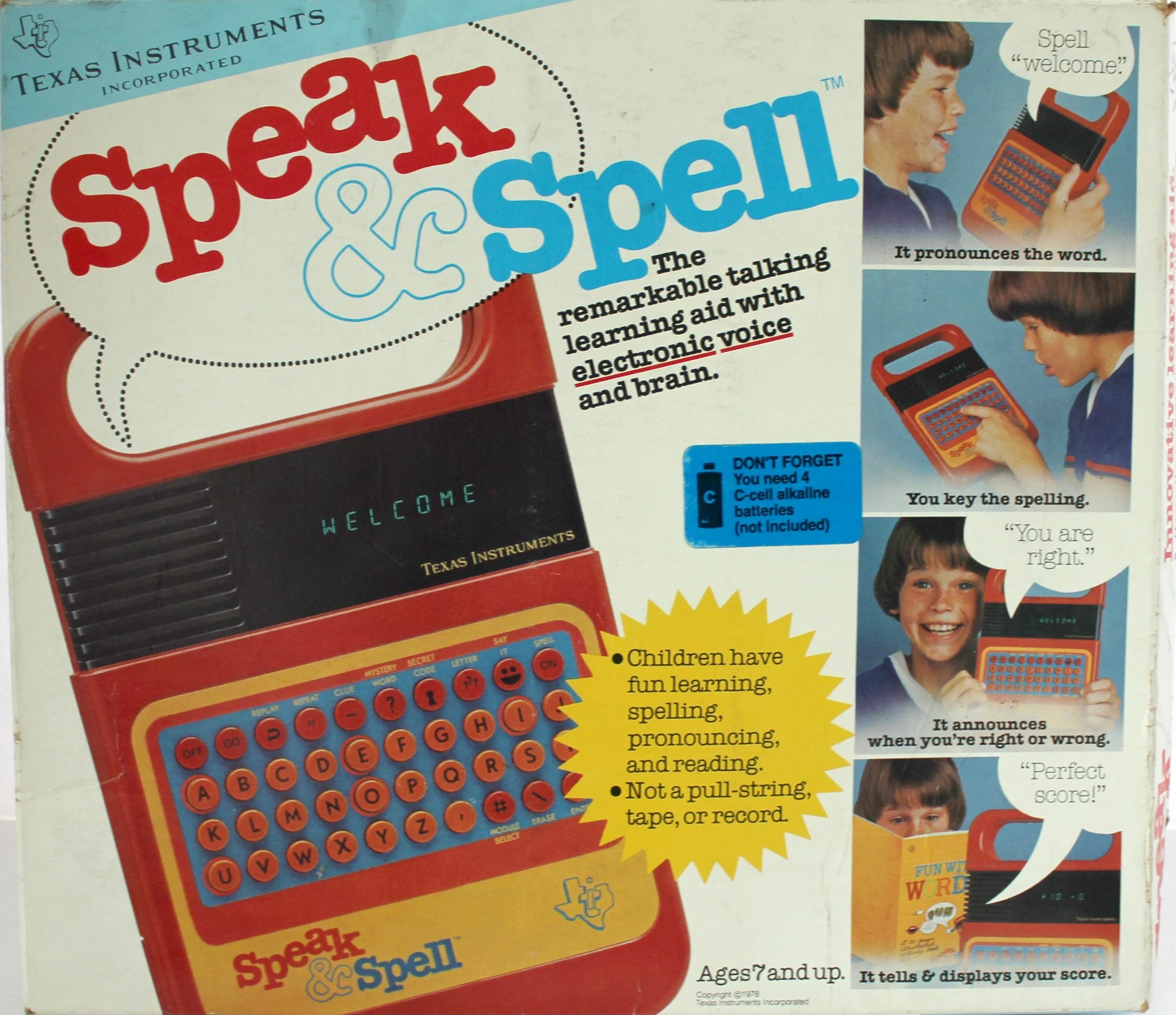
Long before apps, tablets, and autocorrect quietly fixed our spelling mistakes, there was a bright orange, futuristic gadget that spoke to kids—literally. The Speak & Spell, introduced in 1978 by Texas Instruments, didn’t just teach spelling—it changed the way technology interacted with people forever.
The Origin Story: A Toy Born From Serious Tech
The Speak & Spell wasn’t originally conceived as a toy. It emerged from advanced research in digital signal processing at Texas Instruments. At the time, engineers were experimenting with a revolutionary concept: electronically generating human speech.
Prior to this, most “talking” devices relied on recordings. But TI’s engineers, including Paul Breedlove, developed a way to synthesize speech using algorithms. This breakthrough allowed machines to create words instead of just playing them back.
When TI realized the educational potential, they pivoted the technology into something approachable: a handheld learning device for kids. The result? A spelling tutor that could pronounce words, quiz users, and even correct mistakes—all using a robotic yet oddly charming voice.
The Toy That Felt Like the Future
Released to the public in 1978, the Speak & Spell looked like something straight out of science fiction. With its membrane keyboard, glowing display, and iconic orange casing, it screamed “future tech” at a time when most households didn’t even own a computer.
Kids weren’t just learning—they were interacting with a machine. The device would say a word, and the user would type it out. Get it wrong? It would respond. Get it right? Instant encouragement.
This wasn’t passive learning. It was engagement—and that was groundbreaking.
Hollywood Boost: Enter E.T.
The Speak & Spell’s leap from popular toy to cultural icon came in 1982 with E.T. the Extra-Terrestrial. In one of the film’s most memorable scenes, E.T. uses a Speak & Spell (along with other electronics) to “phone home.”
That moment cemented the device in pop culture history. Suddenly, the Speak & Spell wasn’t just educational—it was magical.
Why It Became a Cultural Phenomenon
Several factors contributed to its explosive popularity:
- First of its kind: It was the first handheld device with a digital speech synthesizer.
- Educational + fun: Parents loved the learning aspect; kids loved the tech.
- Futuristic appeal: It felt like owning a piece of tomorrow.
- Media exposure: Thanks to E.T., it became instantly recognizable.
It also tapped into a broader cultural shift—the dawn of the digital age. The Speak & Spell gave kids their first taste of interacting with intelligent machines, paving the way for everything from personal computers to voice assistants like Alexa and Siri.
Legacy: More Than Just a Toy
Today, the Speak & Spell is remembered as a pioneer. It bridged the gap between education and entertainment and introduced millions to the concept of human-computer interaction.
For many, it wasn’t just a toy—it was their first conversation with technology.