One Blade to Rule Them All: How the Rambo Knife Cut Its Way Into History
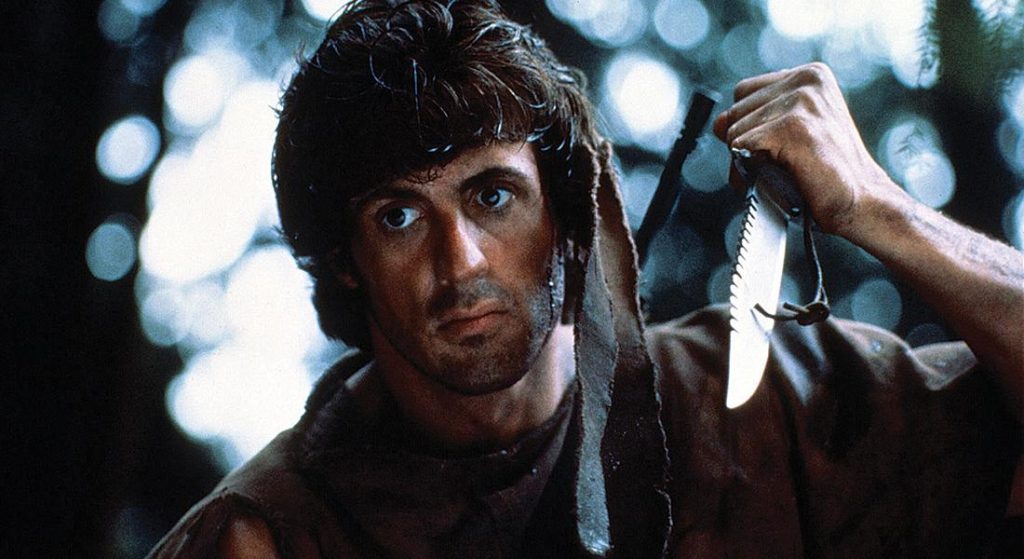
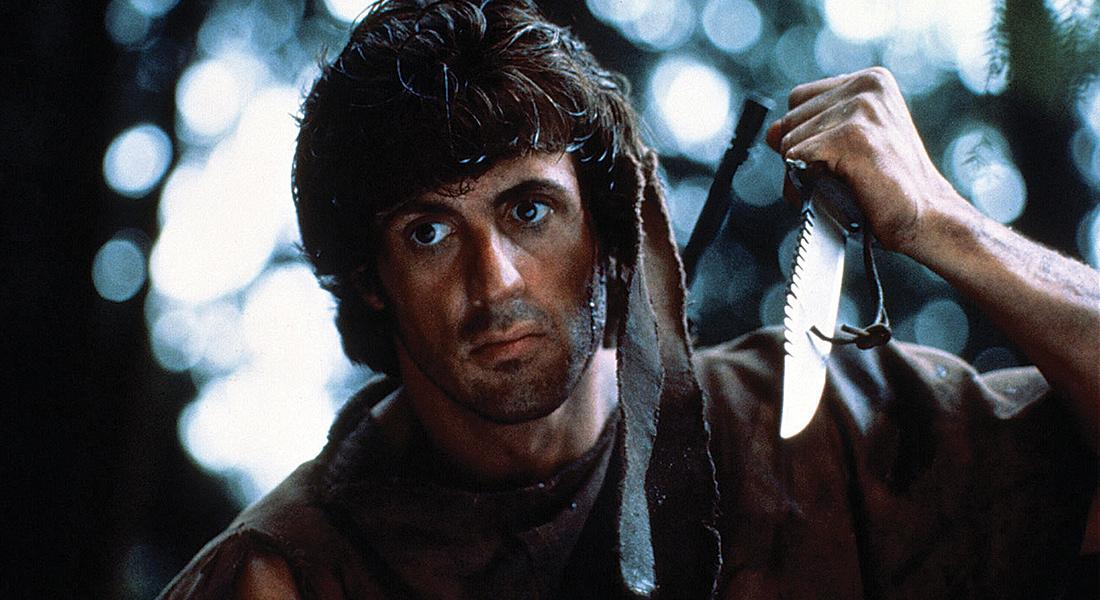
It wasn’t just a prop—it was a revolution forged in steel. When audiences first saw First Blood in 1982, they were introduced to a quiet, haunted drifter named John Rambo. But alongside the character, something else captured imaginations worldwide: the knife. Big, brutal, and undeniably purposeful, the “Rambo Knife” wasn’t just a movie accessory—it became an icon that would permanently reshape knife design and survival gear culture.
The story of the Rambo knife begins behind the scenes, where filmmakers wanted authenticity. They needed a blade that looked like it belonged in the hands of a trained survivalist—something more than a simple hunting knife. Enter custom knifemaker Jimmy Lile, who was tasked with creating a knife that would visually communicate rugged self-reliance. What he delivered was nothing short of legendary.
Lile designed a knife that blended form and function in a way rarely seen before. It featured a long clip-point blade, a sawback spine, and—most importantly—a hollow handle that could store survival essentials like matches, fishing hooks, and sutures. This wasn’t just a knife; it was a survival kit in a single tool. The design reflected the growing fascination with wilderness survival during the late 20th century, influenced by military training and outdoor adventure culture.
When the film hit theaters, the knife became an instant sensation. Viewers weren’t just watching Rambo survive—they wanted to survive like him. Knife makers quickly took notice. What had once been a niche custom design exploded into a full-blown industry trend. Suddenly, “survival knives” with hollow handles, compass pommels, and multi-purpose features flooded the market.
Before Rambo, knives were typically categorized by specific uses: hunting, combat, or utility. The Rambo knife blurred those lines. It introduced the idea that a single blade could do it all—cut, saw, store gear, and even symbolize independence. This shift influenced not only knife makers but also the broader outdoor gear industry. Multi-functionality became the gold standard.
Of course, not all imitations lived up to the original. Many mass-produced versions sacrificed quality for flash, leading to criticism from serious outdoorsmen. Hollow handles, while innovative, sometimes compromised structural strength. Still, the concept itself endured. High-end manufacturers began refining the idea, creating stronger materials and more reliable designs that honored Lile’s original vision while improving functionality.
As the Rambo: First Blood Part II sequel raised the stakes, the knife evolved as well—bigger, more aggressive, and even more elaborate. Each iteration pushed the boundaries of what a knife could be, cementing its place in pop culture and gear history. The blade became as much a character as Rambo himself.
Decades later, the influence of the Rambo knife is still visible. Modern survival knives, tactical blades, and even everyday carry tools borrow elements from its design philosophy. The emphasis on versatility, durability, and preparedness can all be traced back to that original cinematic creation.
What makes the Rambo knife truly remarkable isn’t just its design—it’s its legacy. It transformed a simple tool into a symbol of resilience and ingenuity. It inspired generations of knife makers to think bigger, to innovate, and to push beyond traditional boundaries. And for fans, it remains a tangible piece of movie history—a blade that didn’t just cut through the wilderness, but through the limits of imagination.
In the end, the Rambo knife proved that sometimes, the right tool doesn’t just support the hero—it helps define him.