
“I Am Vengeance. I Am the Night.” — 34 Years Ago, Batman: The Animated Series Changed the Dark Knight Forever
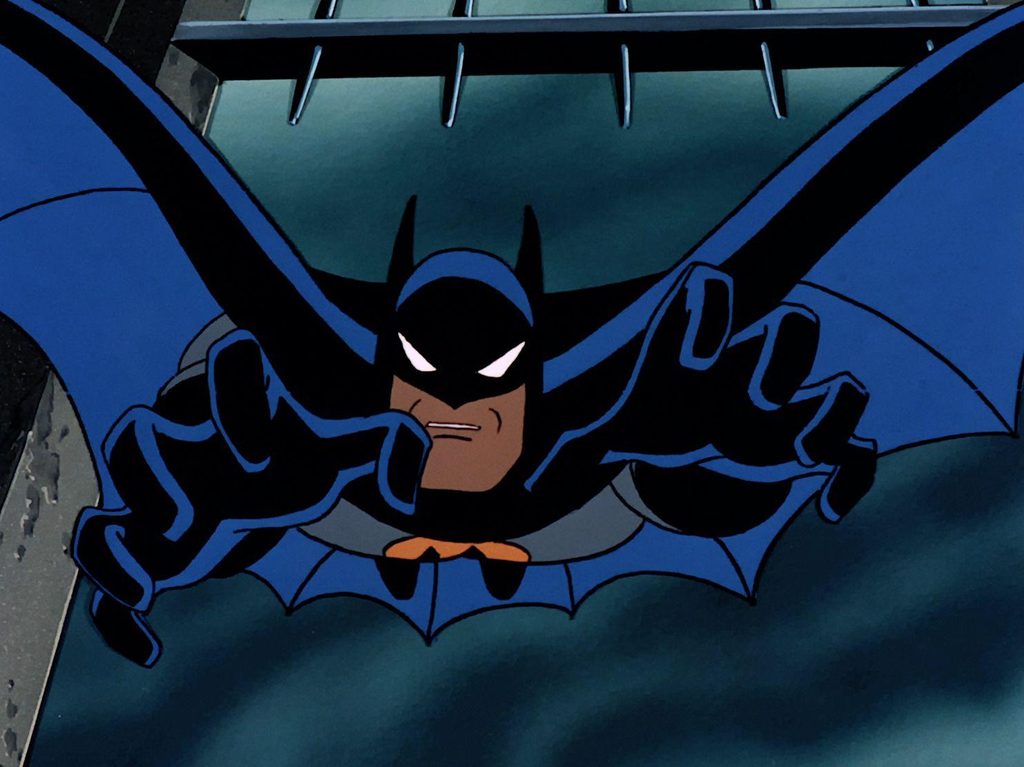
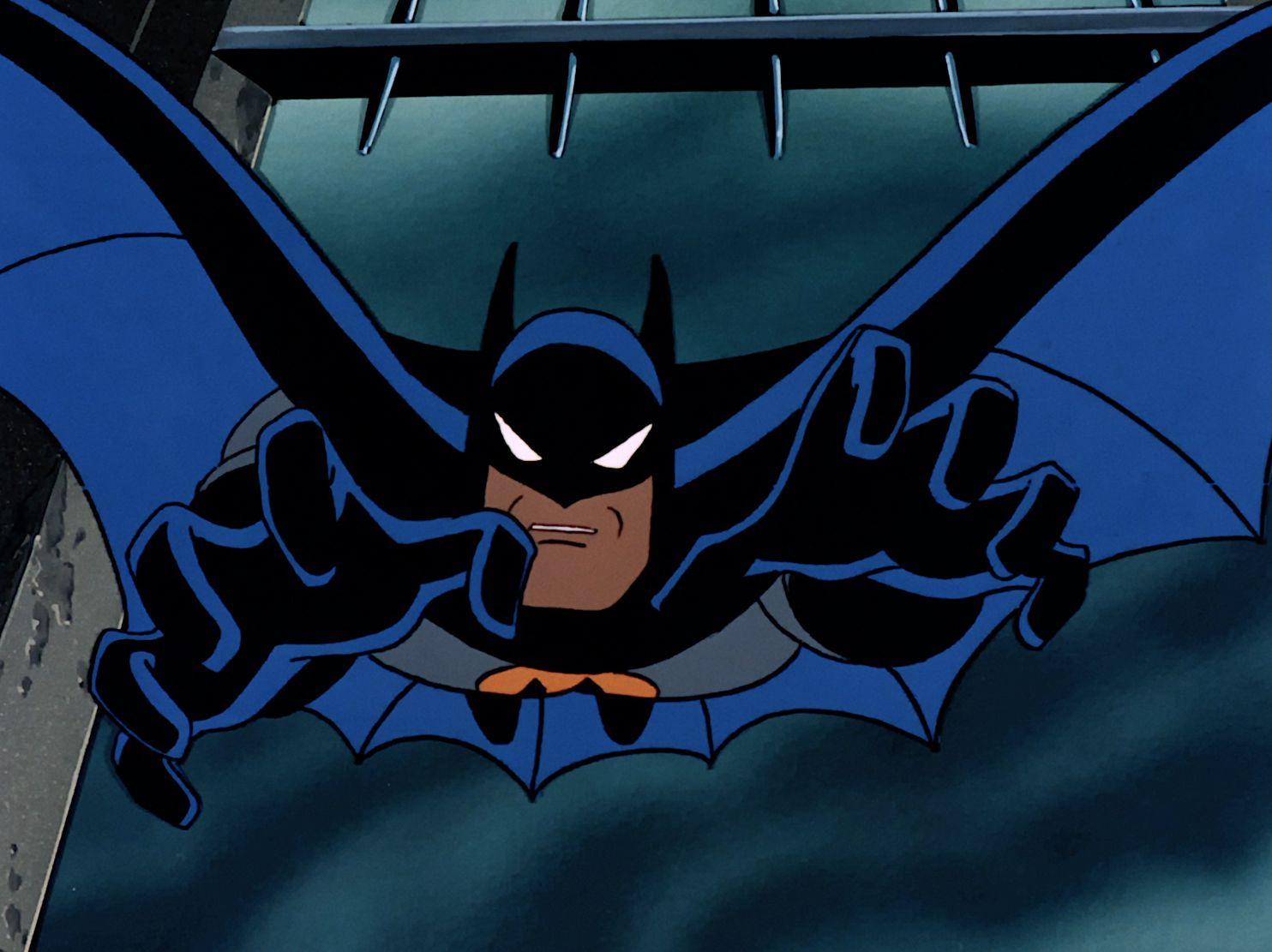
That Saturday, Fox Kids premiered Batman: The Animated Series, beginning with “The Cat and the Claw: Part I.” Thirty-four years later, the series remains one of the most celebrated interpretations of Batman ever produced—not simply a great superhero cartoon, but a landmark in American animation.
Developed by Bruce Timm and Eric Radomski and produced by Warner Bros. Animation, the series took inspiration from the darkness of the Batman comics and the cinematic atmosphere surrounding Tim Burton’s Batman films, but quickly established an identity entirely its own.
Its Gotham City seemed to exist outside normal time. Art Deco skyscrapers, gargoyles, enormous automobiles, police zeppelins and impossibly long shadows existed alongside computers and modern technology. The result was a world that could have belonged to the 1940s, the 1990s—or neither.
And then there was Kevin Conroy.
Conroy’s performance as Bruce Wayne/Batman became so definitive that generations of fans came to hear his voice whenever they opened a Batman comic. Rather than simply making Batman sound intimidating, Conroy created distinct identities for Bruce Wayne and his nocturnal alter ego.
Opposite him was Mark Hamill’s Joker, a performance equally inseparable from the character. The series’ remarkable voice cast also included Efrem Zimbalist Jr. as Alfred, Loren Lester as Robin, Bob Hastings as Commissioner Gordon and Arleen Sorkin as Harley Quinn.
This Wasn’t Just a Kids’ Cartoon


What separated Batman: The Animated Series from so much contemporary children’s television was its willingness to trust its audience.
Its villains weren’t necessarily monsters simply waiting for Batman to punch them.
“Heart of Ice” transformed Mr. Freeze into a tragic figure motivated by his desperate desire to save his wife Nora. “Feat of Clay” turned Clayface’s origin into something approaching body horror. “Robin’s Reckoning” explored Dick Grayson’s childhood trauma, while “Perchance to Dream” confronted Bruce Wayne with the possibility of having everything he ever wanted.
The series could be frightening, funny, heartbreaking and surprisingly philosophical.
It also accomplished something almost unheard of: it created a character so successful that the comics adopted her.
Harley Quinn made her television debut in “Joker’s Favor,” which originally aired September 11, 1992. Created by Paul Dini and Bruce Timm and memorably voiced by Arleen Sorkin, Harley eventually escaped the boundaries of the animated series and entered DC’s comic-book universe. Today she is one of DC’s most recognizable characters.
A Batman Universe Was Born
The influence didn’t stop with one television program.
The success and creative foundation of Batman: The Animated Series helped establish what became the DC Animated Universe, eventually encompassing Superman: The Animated Series, Batman Beyond, Justice League and Justice League Unlimited.
The series also led to the extraordinary 1993 theatrical feature Batman: Mask of the Phantasm, which demonstrated just how successfully this animated interpretation could handle a feature-length Batman story.
Its artistic accomplishments were recognized beyond fandom as well. The series collected multiple Emmy Awards, including a Primetime Emmy for Outstanding Animated Programming.
Thirty-four years after that first broadcast, perhaps its greatest accomplishment is how little Batman: The Animated Series feels like a relic of 1992.
The animation remains beautiful. The music remains haunting. The stories remain remarkably sophisticated. And Kevin Conroy’s Batman remains, for countless fans, the voice of the Dark Knight.
On September 5, 1992, kids may have thought they were sitting down to watch another Batman cartoon.
They had no idea they were watching a legend begin.
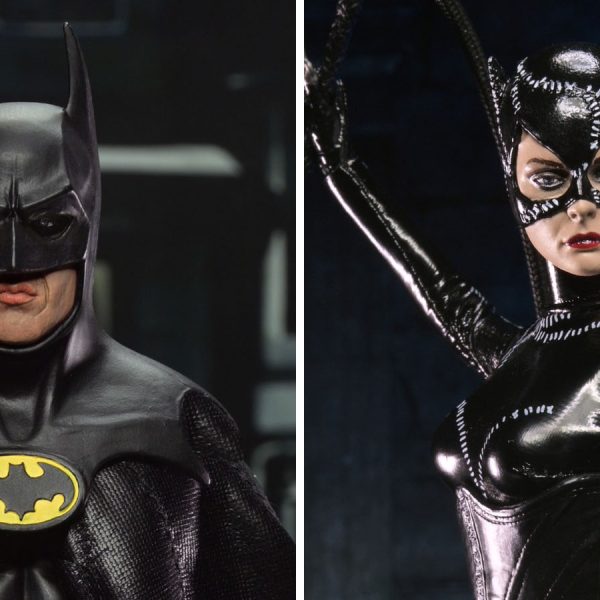
A similar visual tone appears in many dark animated works from that era. My own experience with older shows showed a distinct shift in storytelling during the nineties.