What America Was Watching on November 1, 1986: One Unforgettable Saturday Night of Television
SERPENTOR’S LAIR PRESENTS
What America Was Watching on November 1, 1986
One Unforgettable Saturday Night in Front of the Television
BY DESTRO DESIGNS – VIPER DEN STUDIOS
Forty years ago, on Saturday, November 1, 1986, millions of Americans settled into their living rooms, switched on their television sets, and enjoyed an evening of entertainment that we can never truly experience the same way again.
There was no Netflix. No streaming queue. No pausing the show because your phone rang. You had three major television networks, a handful of additional channels if you were lucky, and a Saturday night full of possibilities.
Maybe you had just finished eating dinner with your family. Maybe there was leftover Halloween candy sitting on the coffee table from the night before. The weather outside was getting colder, the windows were dark, and the warm glow of the family television illuminated the living room.
Somewhere nearby was a TV Guide with folded pages. The remote control, if your family even had one, was probably claimed by Dad. And if you were a kid, you were hoping nobody would decide it was bedtime before your favorite show came on.
But what, exactly, was on television that Saturday night?
The answer is a remarkable snapshot of 1980s America, featuring familiar television legends, future Hollywood superstars, several almost-forgotten programs, and one of the most beloved sitcoms ever produced.

Your Actual Saturday Night TV Guide: November 1, 1986
Let’s turn the clock back to November 1, 1986. Below is the national prime-time network schedule, verified against historical television listings and episode records.
TIMES ARE EASTERN/PACIFIC NETWORK LISTING TIMES. CENTRAL AND MOUNTAIN BROADCASTS GENERALLY AIRED ONE HOUR EARLIER. LOCAL STATIONS COULD VARY.
| Time ET | NBC | ABC | CBS |
|---|---|---|---|
| 8:00 PM | The Facts of Life | Life with Lucy | Downtown |
| 8:30 PM | 227 | The Ellen Burstyn Show | |
| 9:00 PM | The Golden Girls | Heart of the City | Vengeance: The Story of Tony Cimo (TV Movie) |
| 9:30 PM | Amen | ||
| 10:00 PM | Hunter | Spenser: For Hire | |
Historical broadcast reference: TV Tango — November 1, 1986. CBS’s schedule had changed shortly before this date, replacing the originally planned Mike Hammer/Twilight Zone block with a movie.
8:00 PM — The Facts of Life: A Saturday Night Tradition
If your family was tuned to NBC, the evening began with a familiar group of young women who had practically grown up alongside their audience.
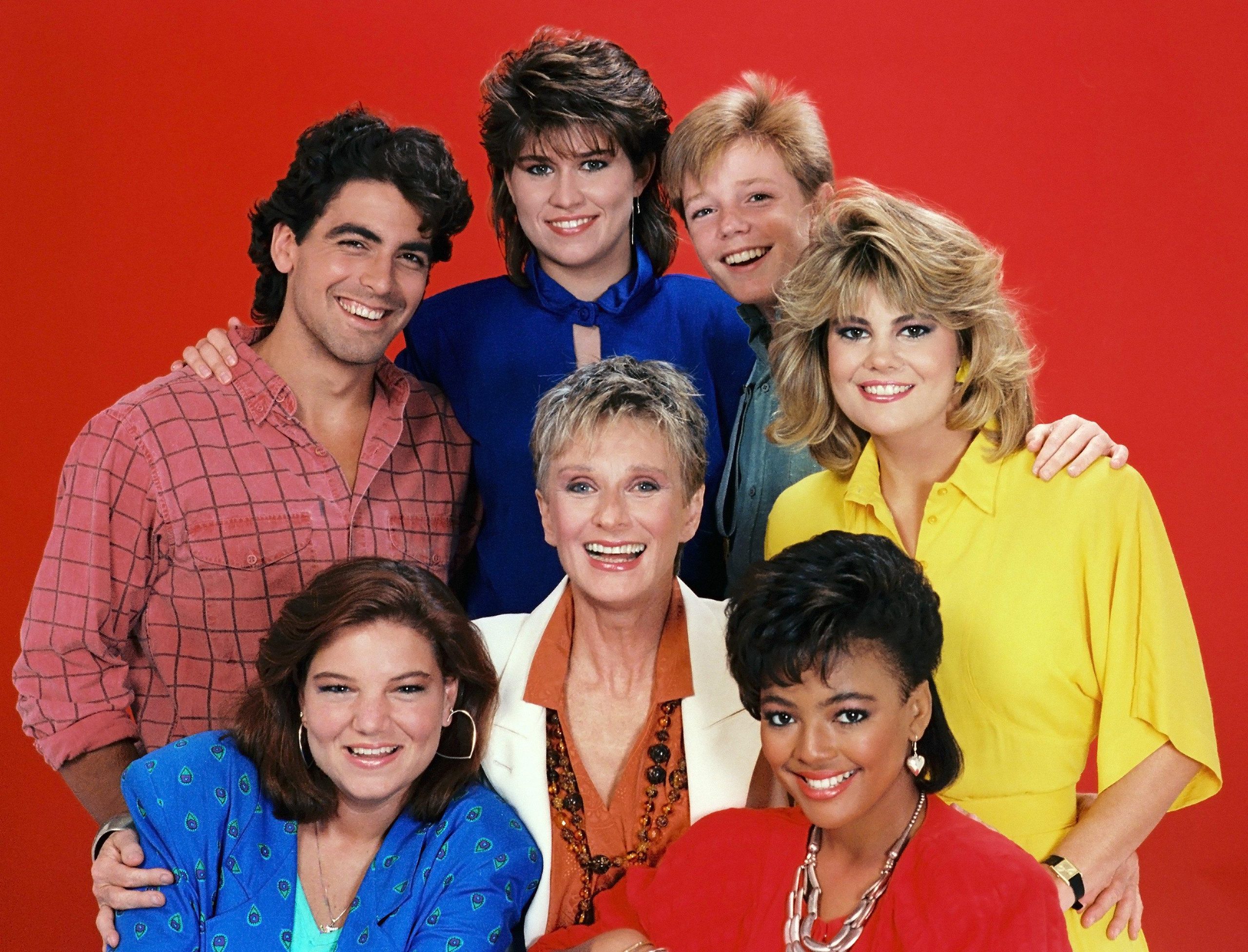
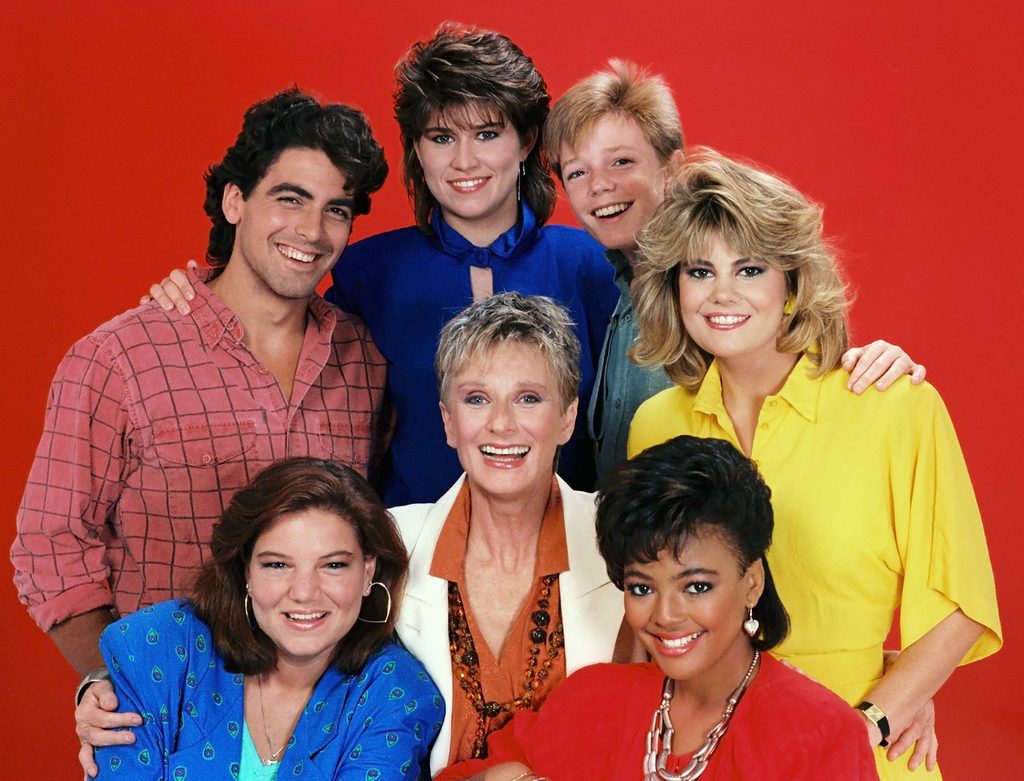
The Facts of Life was beginning its eighth season, and things had changed considerably from the show’s early days at Eastland School. Mrs. Garrett had departed, Beverly Ann Stickle had entered the picture, and Blair, Jo, Natalie, and Tootie were facing the challenges of young adulthood.
On this particular evening, NBC broadcast “Off-Broadway Baby,” an episode centered on Tootie’s ambition to perform on Broadway.
Her audition becomes complicated when she realizes another performer may be more talented. Tempted to sabotage her competition, Tootie faces a decision that reflects the show’s long-standing theme of growing up and learning from mistakes.
But perhaps the most magical part of watching The Facts of Life was hearing that familiar theme song and knowing that, for the next half-hour, you were visiting old friends.

And look carefully at that photograph. There’s a young George Clooney, long before his days as television’s Dr. Ross on ER and decades before becoming an Academy Award-winning star.
8:00 PM on ABC — Lucille Ball Was Still Making America Laugh
While NBC viewers were catching up with the girls from Peekskill, ABC was banking on the return of one of television’s greatest legends.
At 8:00 PM, Lucille Ball starred in Life with Lucy, her final regular television sitcom.
Ball was 75 years old in 1986 and had reunited with longtime comedy partner Gale Gordon. This time, Lucy Barker was a grandmother working in a hardware store, still finding herself tangled in elaborate comic disasters.
The November 1 episode had the wonderfully 1980s title “Lucy Makes Curtis Byte the Dust.”
In the story, Lucy’s attempt to computerize the hardware store goes spectacularly wrong. An accidental merchandise order creates chaos, and an attempt to stop payment leads to the mistaken news that Curtis has died.
Computers were increasingly entering American homes and businesses, and even Lucy Ricardo’s spiritual successor was having trouble keeping up with the digital age.

Sadly, Life with Lucy struggled with audiences and critics and was canceled after only eight episodes had aired.
That makes November 1, 1986, even more fascinating in hindsight. Americans watching ABC that evening were witnessing one of the last nationally broadcast episodes of a comedy legend’s weekly television career.
8:30 PM — 227: Everybody Knew Everybody’s Business
Switch back to NBC at 8:30, and you were welcomed into the wonderfully chaotic world of a Washington, D.C., apartment building.
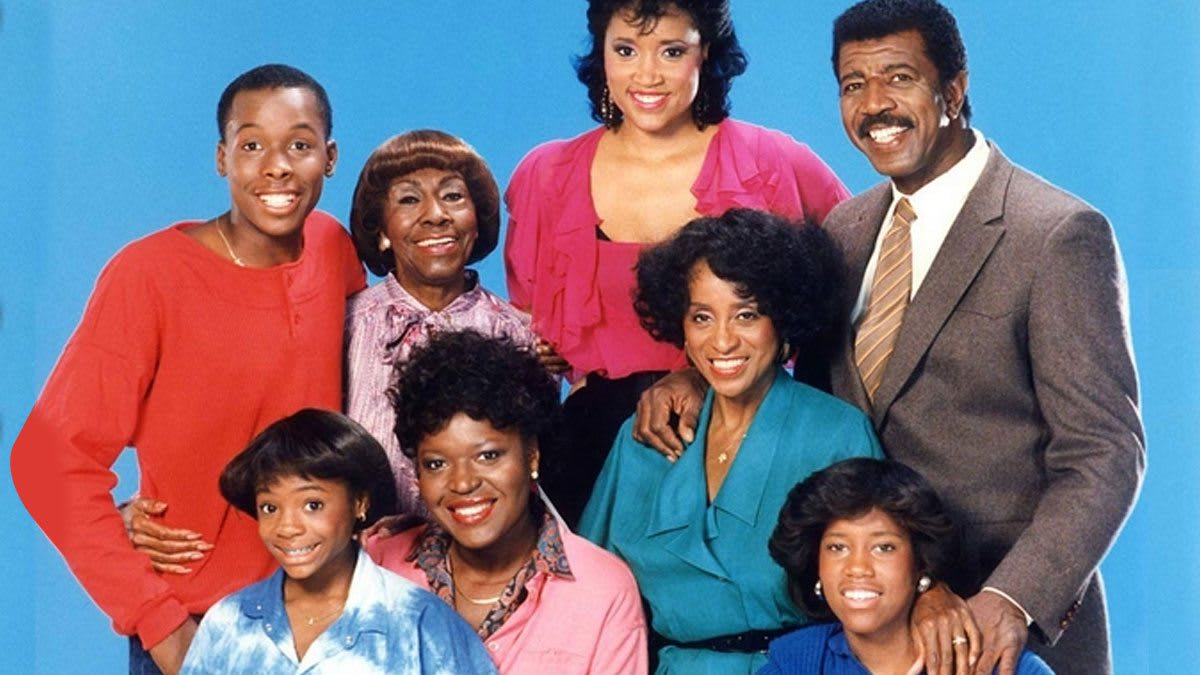
227 starred Marla Gibbs as Mary Jenkins, the sharp-tongued neighborhood matriarch who seemed to know absolutely everything happening on her block.
But let’s face it: Jackée Harry’s Sandra Clark could steal almost any scene simply by entering the room.
The November 1 episode, “Washington Affair,” featured Sandra becoming romantically interested in a congressman, only to discover that another woman might be stealing his attention.
Her solution involves attending a political benefit and dragging Mary along for the ride, introducing her as a prime minister!
What made 227 special was its ability to turn ordinary neighborhood interactions into memorable comedy.
The front steps, the gossiping neighbors, the family disagreements — these were familiar situations made extraordinary by an unforgettable cast.
And viewers in 1986 were watching a young Regina King as Brenda Jenkins, long before she would become one of Hollywood’s most respected performers.
9:00 PM — The Golden Girls Delivered One of Their Most Memorable Episodes
Now comes the real centerpiece of the evening.
At 9:00 PM, NBC brought America to a house in Miami where four women were redefining television comedy.
The Golden Girls was only in its second season, but Bea Arthur, Betty White, Rue McClanahan, and Estelle Getty had already become an extraordinary television ensemble.
And on November 1, 1986, audiences watched “It’s a Miserable Life.”
Rose is trying to save a beloved old tree, but her campaign runs into serious opposition from a disagreeable neighbor named Frieda Claxton.
During a heated confrontation, Rose becomes so frustrated that she wishes the woman would drop dead.
And then, astonishingly, Mrs. Claxton does exactly that.
What follows is a wonderfully dark and emotional comedy involving guilt, responsibility, and an unforgettable funeral.
It represents exactly what made The Golden Girls different. The show could take a subject as uncomfortable as death, find humor in the absurdities surrounding it, and still leave its audience thinking.
Imagine watching that episode when it originally aired, without knowing it would remain a fan favorite for decades.
There were no clips circulating on social media the next morning. If you missed it, you waited for a rerun or hoped somebody had recorded it on VHS.
9:00 PM on CBS — A Dark Television Movie Replaced the Regular Lineup
While NBC was dominating the evening with comedy, CBS was attempting something very different.
The network opened its night at 8:00 with Downtown, a police drama starring Michael Nouri as officer Forney, who becomes involved with a group of parolees.
The November 1 installment was called “When Dinosaurs Drove the Earth.”

Notice another familiar face: a young Mariska Hargitay, long before she became Olivia Benson on Law & Order: Special Victims Unit.
At 9:00 PM, CBS presented Vengeance: The Story of Tony Cimo, a dramatic television movie starring Brad Davis and William Conrad.
The film told the story of a young man struggling with the murder of his parents and his desire for revenge.
But here is a fascinating historical detail: this wasn’t simply the network’s ordinary Saturday arrangement.
Only days earlier, CBS had decided to overhaul parts of its struggling schedule. The New Mike Hammer was moved to Wednesday, and The Twilight Zone was placed on hiatus.
The new Saturday television movie block began November 1 with Vengeance.
In other words, while families were enjoying the familiar faces on NBC, executives at CBS were already fighting for survival in the competitive 1986 ratings race.
9:30 PM — Amen: Sherman Hemsley Returned to the Center of the Comedy Universe
After The Golden Girls, NBC’s Saturday evening continued with Amen, starring Sherman Hemsley as the scheming, outspoken Deacon Ernest Frye.
For fans who had followed Hemsley through his years as George Jefferson, it was a welcome opportunity to watch the actor work his comedic magic in an entirely different setting.
The November 1 episode, “The Deacon Delivers,” places Deacon Frye in an extraordinary predicament when a pregnant young member of the church choir goes into labor and he must help deliver her baby.
It was an early episode in the show’s first season, and audiences were only beginning to discover the wonderful comic chemistry between Hemsley and Clifton Davis as Reverend Reuben Gregory.

Just think about this NBC comedy lineup for a moment: The Facts of Life, 227, The Golden Girls, and Amen.
Four different shows, four entirely different settings, and four casts that helped define an era.
10:00 PM — It Was Time for the Tough Guys
By 10:00 PM, the younger kids were often being sent to bed, and the network schedules moved from family comedy to television crime drama.
On NBC, Fred Dryer and Stepfanie Kramer starred in Hunter.
The November 1 installment was “The Castro Connection,” in which Hunter and McCall investigate a cocaine operation allegedly linked to one of Hunter’s trusted former partners.
Hunter delivered exactly what its audience wanted: tough detectives, high-stakes investigations, spectacular confrontations, and the chemistry between its two leads.

But ABC had its own answer to television’s crime-drama craze.
At the very same hour, Robert Urich starred in Spenser: For Hire, alongside Avery Brooks as the unforgettable Hawk.
That evening’s episode, “And Give Up Show Biz?”, centered on an unidentified young man found floating in the water. After recovering, he claims to have lost his memory and eventually becomes a murder suspect.
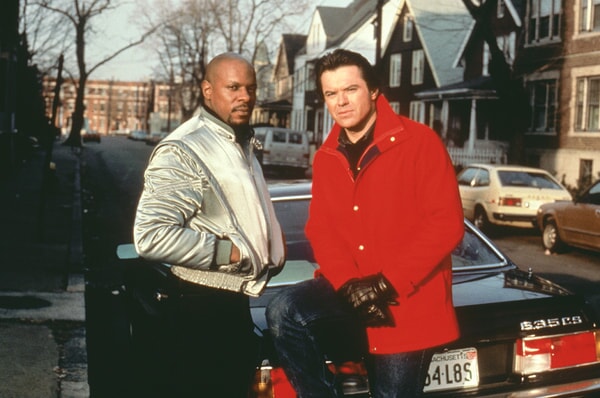
For viewers who loved leather jackets, shadowy streets, detective stories, and the unmistakable atmosphere of 1980s television drama, either channel was a pretty good place to finish the night.
The Other Channels: A Different World Beyond the Big Three
Of course, the evening wasn’t limited to ABC, CBS, and NBC.
Depending on where you lived, there were independent stations, PBS, cable channels, local sports broadcasts, and syndicated favorites.
Some families had cable boxes with a row of physical buttons. Others had HBO, WTBS, or a local independent station showing movies or reruns.
And some homes still relied on rabbit-ear antennas that required a delicate balancing act just to get a clear picture.
What you saw on those additional channels depended heavily on your city and cable provider. Unlike the national network lineup above, there wasn’t one identical independent-station schedule for the entire country.
Perhaps your local station was showing an old monster movie. Maybe it was a favorite sitcom in syndication. Or perhaps your family had rented a VHS tape from the neighborhood video store and decided to skip regular television entirely.
Whatever was on, the ritual was familiar.
The Real Magic Wasn’t Just What We Watched
Something happened when you sat down in front of the television in 1986 that is difficult to explain to anyone who didn’t grow up during that period.
Television had a schedule, and that schedule helped organize our lives.
You didn’t simply decide to watch an episode of The Golden Girls whenever you felt like it. If you wanted to see the new installment, you had to be in front of the television at the right time.
If your favorite show came on at 8:00, you hurried home. If two programs competed in the same time slot, somebody had to make a choice.
And if your parents wanted to watch something different, sometimes you lost that argument before it even began.
Commercial breaks were your chance to run to the kitchen, get another drink, or make a desperate trip to the bathroom.
There was a kind of anticipation to it all.
And perhaps that’s why so many television programs from the 1980s remain woven into our personal histories.
We don’t just remember the characters.
We remember the houses where we watched them.
We remember our parents and grandparents sitting nearby. We remember the carpet, the furniture, the television cabinet, and the faint mechanical click of changing channels.
We remember Friday night being over, Saturday morning cartoons having come and gone, and the comforting feeling of knowing Sunday was still ahead.
Forty Years Later, the Television Is Still On in Our Memories
On November 1, 1986, the cast of The Facts of Life was still growing up, Lucille Ball was still working to make audiences laugh, and four women in Miami were giving Americans another half-hour of unforgettable comedy.
Marla Gibbs and Jackée Harry were creating comedy magic on the front steps of 227. Sherman Hemsley was beginning another successful sitcom chapter. Robert Urich and Fred Dryer were bringing action and mystery into living rooms across America.
And in those same living rooms, the people watching were living their own stories.
Some of them were children who are now grandparents.
Some were teenagers who still remember what it felt like to have the entire weekend stretching out ahead of them.
And some were sitting next to people who are no longer with us.
That’s the part of nostalgia that gets us, isn’t it?
We think we’re looking back at a television schedule.
But sometimes we’re really looking back at our own lives.
For one more evening, let’s imagine it’s November 1, 1986. The television is warming up. The family is gathered. And somewhere on NBC, The Golden Girls are about to begin.
THE GREAT 1986 CHANNEL-FLIPPING CHALLENGE!
It’s 8:00 PM on November 1, 1986.
Are you watching The Facts of Life, Life with Lucy, or Downtown?
And when 9:00 rolls around, are you switching to The Golden Girls?
Tell us what your family would have been watching that night — and who controlled the remote!
Share this article with someone who remembers when Saturday-night television was an event.
About the Author
Adam Jared is the founder of SerpentorsLair.com and the creator behind Destro Designs – Viper Den Studios. He holds a Master of Science in Social Media Management and is pursuing a PhD in Strategic Communication. Through his writing, interviews, and nostalgic pop-culture features, he celebrates the films, television programs, cartoons, toys, and cultural moments that shaped Generation X.
Historical Sources & Broadcast Verification
This retrospective is based on historical national broadcast listings. Local programming and cable schedules varied.
TV Tango: November 1, 1986 Network Listings
Classic TV Database: 1986–87 Fall Schedule
The Washington Post: October 1986 CBS Schedule Changes
TV Guide: The Golden Girls, Season 2
TV Guide: The Facts of Life, Season 8
Program photographs are identified and attributed individually. Archival images may require reproduction permission from their respective rights holders.