Chains, Fame, and Faith: The Unbreakable Journey of Mr. T
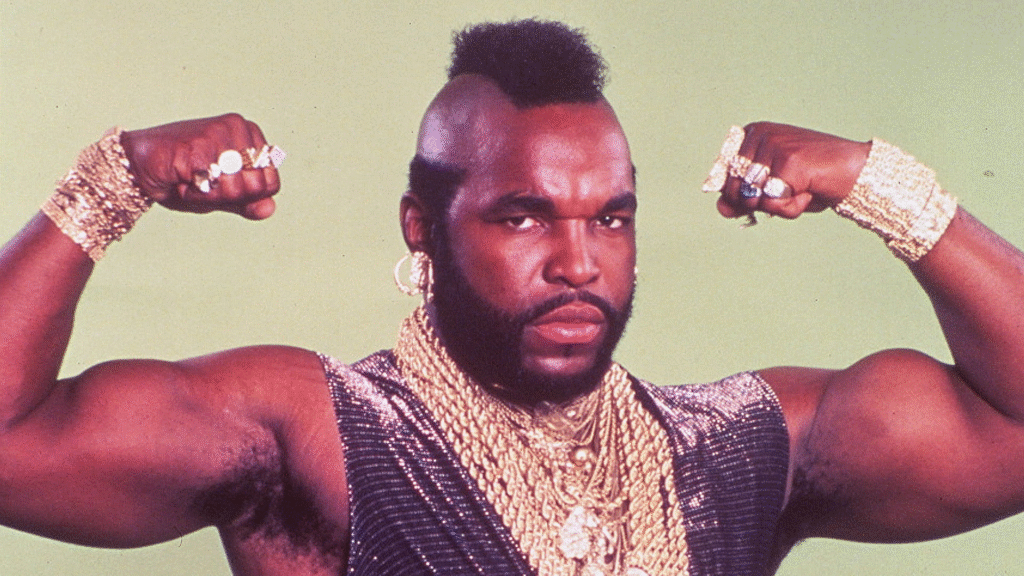
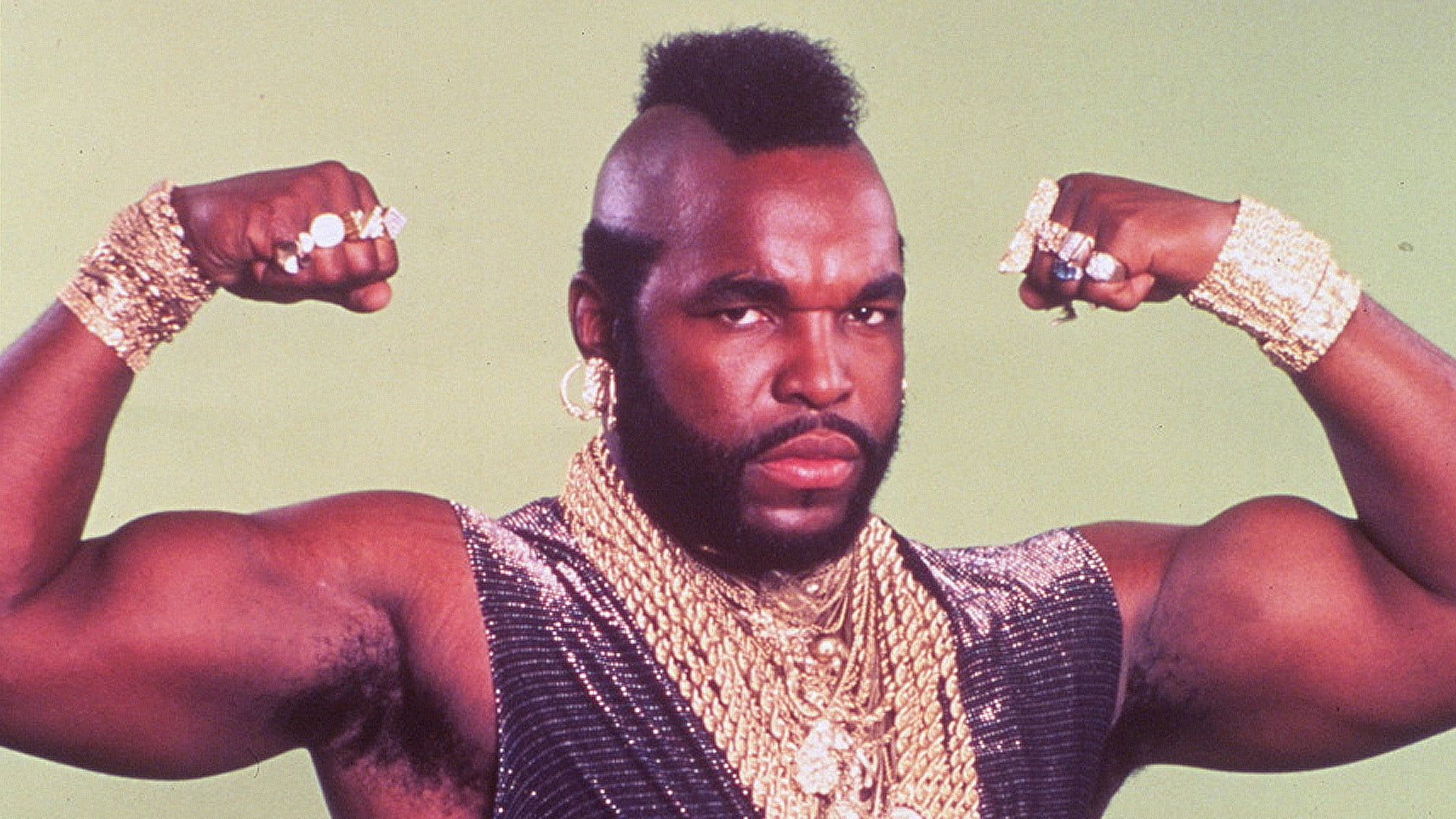
When you hear the name Mr. T, you immediately think of gold chains, mohawks, and the immortal line: “I pity the fool!” But behind the tough-guy persona is an incredible life journey filled with resilience, faith, and fame that made Mr. T one of the most iconic figures of the 1980s.
Born Lawrence Tureaud in 1952 in Chicago, Illinois, Mr. T was the youngest of twelve children. Raised by a single mother in a tough neighborhood, he learned discipline and the value of hard work early on. He attended Dunbar Vocational High School, where he excelled in athletics—especially football, wrestling, and martial arts. His talents earned him a scholarship to Prairie View A&M University, though he didn’t finish college. After serving in the U.S. Army, he tried out for the Green Bay Packers, but an injury cut his football dreams short.
From there, Mr. T took a turn into a very unique career—bouncing and bodyguarding. He reportedly worked as a bouncer for over a decade, creating his trademark look to intimidate patrons: a mohawk inspired by Mandinka warriors, and dozens of pounds of gold chains taken from people who lost them in the club. His client list as a bodyguard reads like a who’s who of celebrities and public figures—Muhammad Ali, Michael Jackson, Steve McQueen, and Diana Ross all hired him at one time or another.
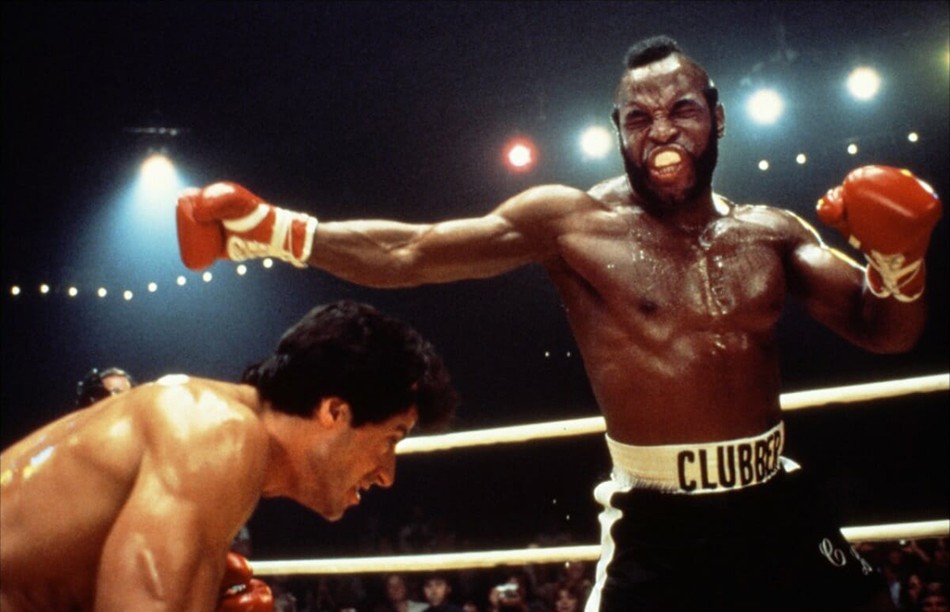
But it was a TV competition that changed everything. In 1980, NBC hosted a contest called “America’s Toughest Bouncer,” and Mr. T stole the show. This caught the attention of none other than Sylvester Stallone, who was casting for Rocky III. Initially, Stallone only wanted him for a brief role, but after seeing his unique look and booming presence, he cast him as Clubber Lang, the main villain. With one growl and a sneer, Mr. T became a pop culture phenomenon overnight.
From there, his stardom exploded. In 1983, he starred as B.A. Baracus in the hit TV show The A-Team, where he became a household name. Kids mimicked his style, wore fake gold chains, and even ate Mr. T cereal. He also made appearances in cartoons, comic books, and public service announcements—his image was everywhere.
What many people don’t realize is that behind the persona was a deeply rooted Christian faith. Mr. T has long been open about his beliefs, crediting God for helping him survive both poverty and fame. After being diagnosed with T-cell lymphoma in the 1990s, he doubled down on his faith and became active in Christian ministry and motivational speaking. He has often said, “God saved me so I could help others.” His interviews and public appearances are often filled with Scripture references and life lessons rooted in his beliefs.
One little-known fact? Mr. T once refused to wear gold chains after Hurricane Katrina, feeling it would be disrespectful to flaunt wealth while others were suffering. That act of humility speaks volumes about the man behind the muscles.
Today, Mr. T continues to inspire fans both old and new. Whether he’s on a talk show, visiting sick children in hospitals, or preaching at a church, his message remains consistent: be strong, be kind, and trust in God.
He may have started in the rough streets of Chicago, but Mr. T’s journey is one of triumph, transformation, and unshakable faith. And that, fool or not, is something worth admiring.