Moose, Squirrel, and Genius: The Wild Origins of The Rocky and Bullwinkle Show
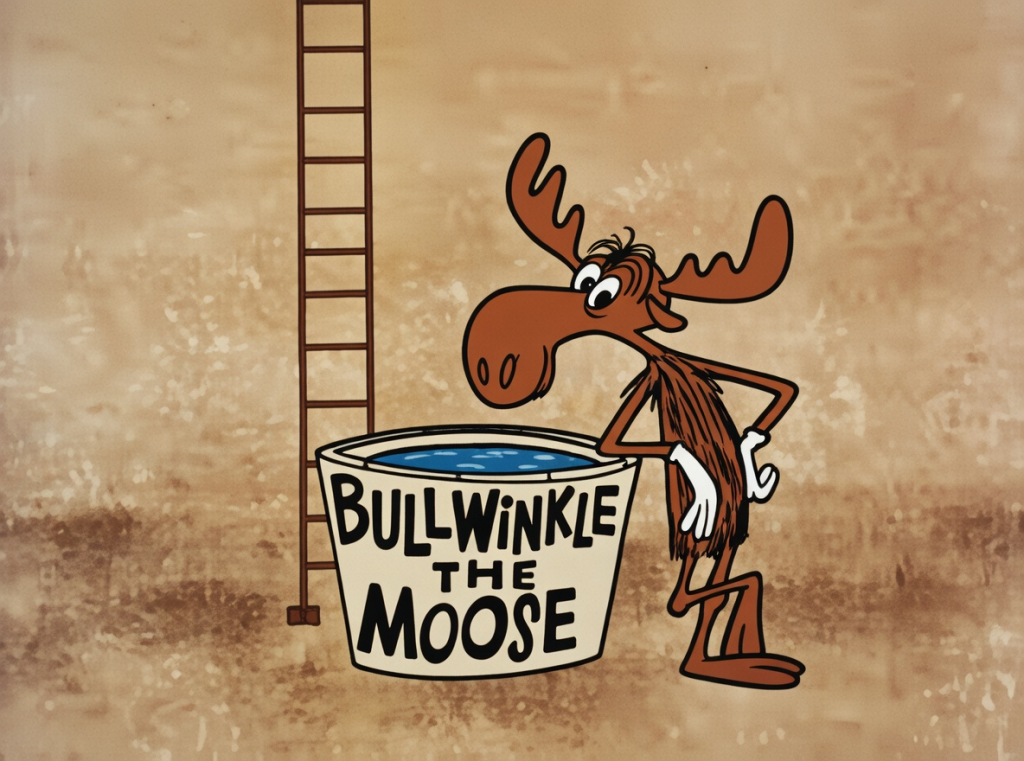
It began, as many great ideas do, with a little chaos and a lot of imagination.
In the late 1950s, television was still figuring itself out. Westerns ruled, sitcoms were safe, and animation—well, animation was mostly for kids on Saturday mornings. But in a modest studio filled with sketchpads, coffee cups, and sharp-witted writers, two creators were about to flip that notion on its antlered head: Jay Ward and Bill Scott.
Jay Ward was the business-minded dreamer, while Bill Scott was the creative engine—equal parts writer, performer, and comedic mad scientist. Together, they weren’t interested in doing what everyone else was doing. They wanted something smarter, weirder… and sneakily subversive.
Enter a flying squirrel and a dimwitted moose.
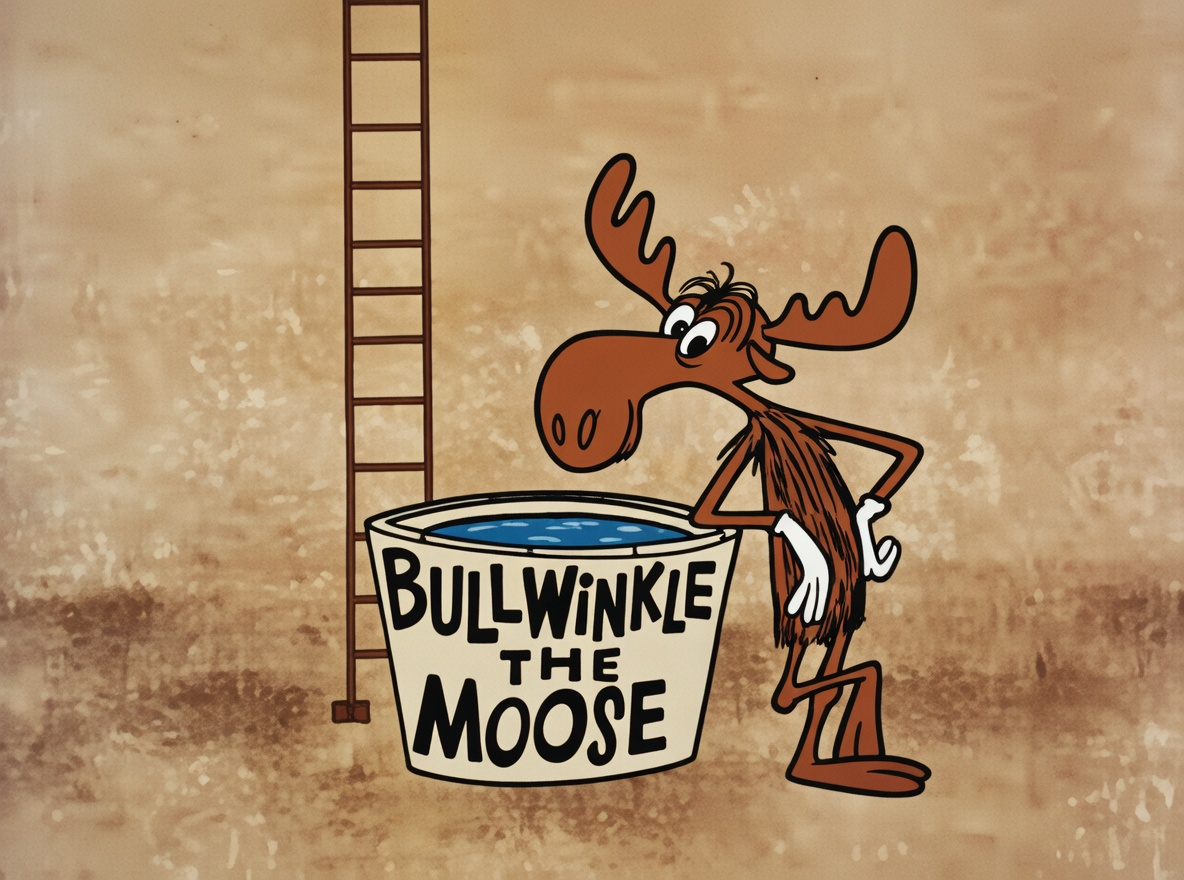
When The Rocky and Bullwinkle Show debuted in 1959 (originally titled Rocky and His Friends), audiences weren’t quite sure what to make of it. The animation was simple—sometimes hilariously so. Characters barely moved, backgrounds repeated, and action sequences felt more like illustrated radio plays.
But that was the trick.
Because while the animation was minimal, the writing was razor sharp.
Bill Scott voiced Bullwinkle J. Moose himself, bringing a lovable, clueless charm to the character. Rocky the Flying Squirrel, voiced by June Foray, served as the earnest straight man (or squirrel) to Bullwinkle’s antics. Together, they stumbled through absurd adventures, constantly pursued by the delightfully incompetent villains Boris Badenov and Natasha Fatale.
And that’s where the magic lived.
This wasn’t just a cartoon—it was a layered comedy machine. Kids laughed at the slapstick and silly situations. Adults caught the satire, the wordplay, and the relentless stream of puns. The show poked fun at politics, culture, advertising, and even television itself. It was as if the writers were winking directly at the grown-ups in the room while the kids giggled at Bullwinkle pulling a rabbit out of his hat… incorrectly.
Each episode was structured like a variety show. Alongside the main Rocky and Bullwinkle storylines were segments like “Fractured Fairy Tales,” “Peabody’s Improbable History,” and “Dudley Do-Right.” These weren’t just filler—they were playgrounds for clever storytelling and satire. Mr. Peabody, the genius dog, and his boy Sherman would time-travel through history, casually rewriting it with dry humor and intellectual jokes that flew right over most kids’ heads.
And yet, somehow, it all worked.
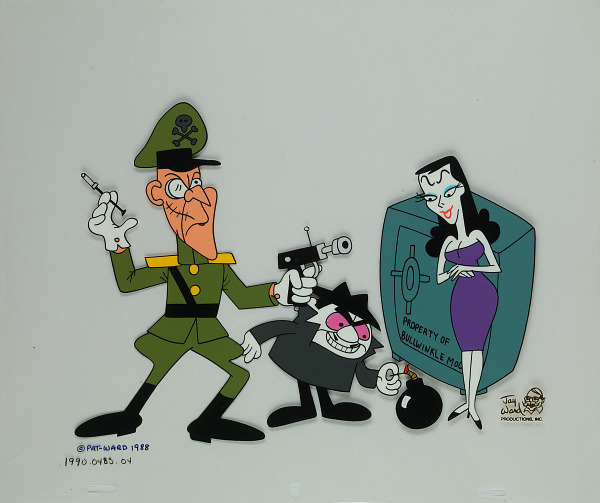
Part of that success came from the fearless writing team. They didn’t dumb things down. They trusted their audience—both young and old—to keep up or at least enjoy the ride. It was fast, witty, and unapologetically clever.
Behind the scenes, the production was famously scrappy. Budget constraints meant the animation had to be limited, but that limitation became a strength. The focus shifted entirely to dialogue and timing. In many ways, The Rocky and Bullwinkle Show felt closer to classic radio comedy than traditional cartoons.
By the time the show wrapped its original run in 1964, it had already carved out a unique place in television history. It wasn’t just entertainment—it was proof that cartoons could be smart, satirical, and endlessly inventive.
And decades later, that moose and squirrel are still flying—powered not by flashy animation, but by the brilliance of two creators who dared to be different.