Plastic War Stories: When Rambo Became a Saturday Morning Hero
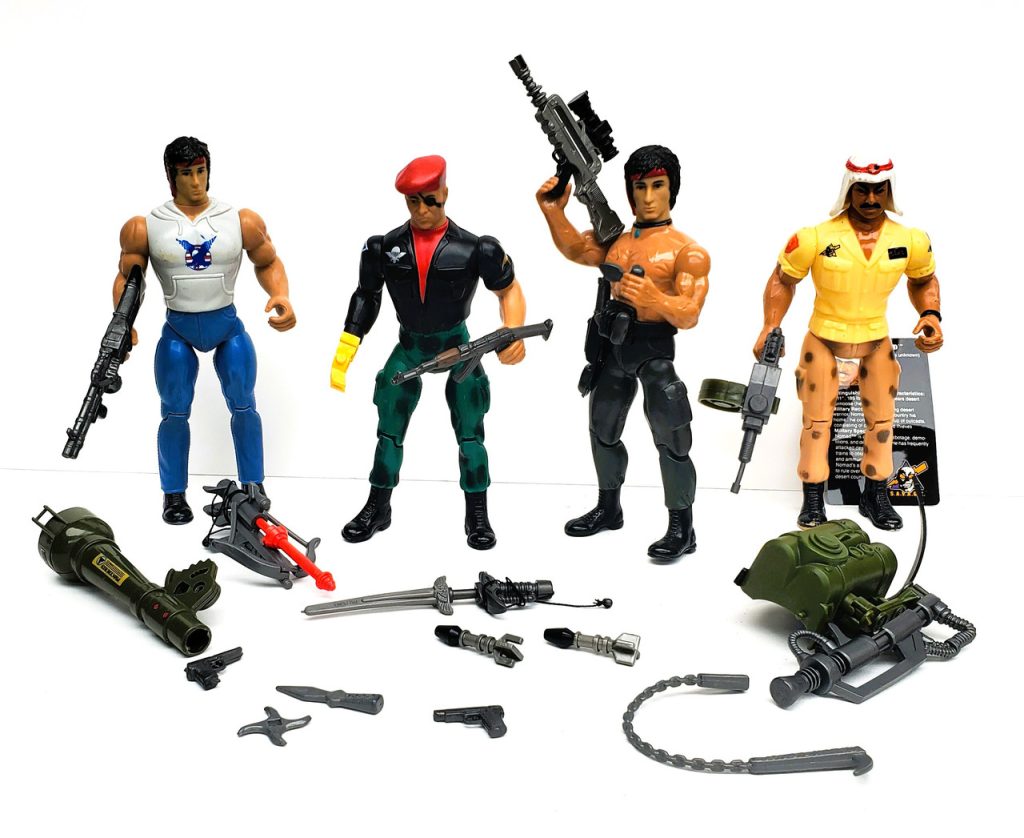
There was a time in the mid-1980s when the lines between gritty action cinema and toy store aisles blurred in the most fascinating way. You could walk into a department store, past the bikes and board games, and suddenly find yourself face-to-face with a plastic version of a battle-hardened warrior—none other than John Rambo.
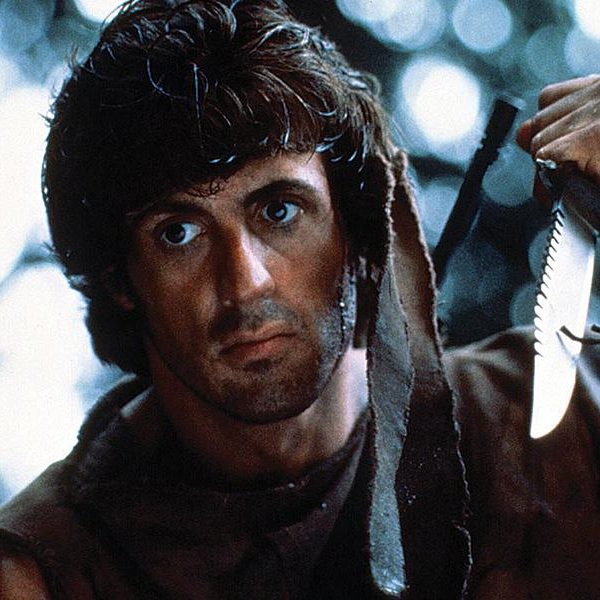
It seems almost surreal now. The character made famous by First Blood and its explosive sequel Rambo: First Blood Part II wasn’t exactly designed for kids. Yet, in 1985, toy giant Coleco saw an opportunity—and ran with it like a soldier charging into cinematic history.
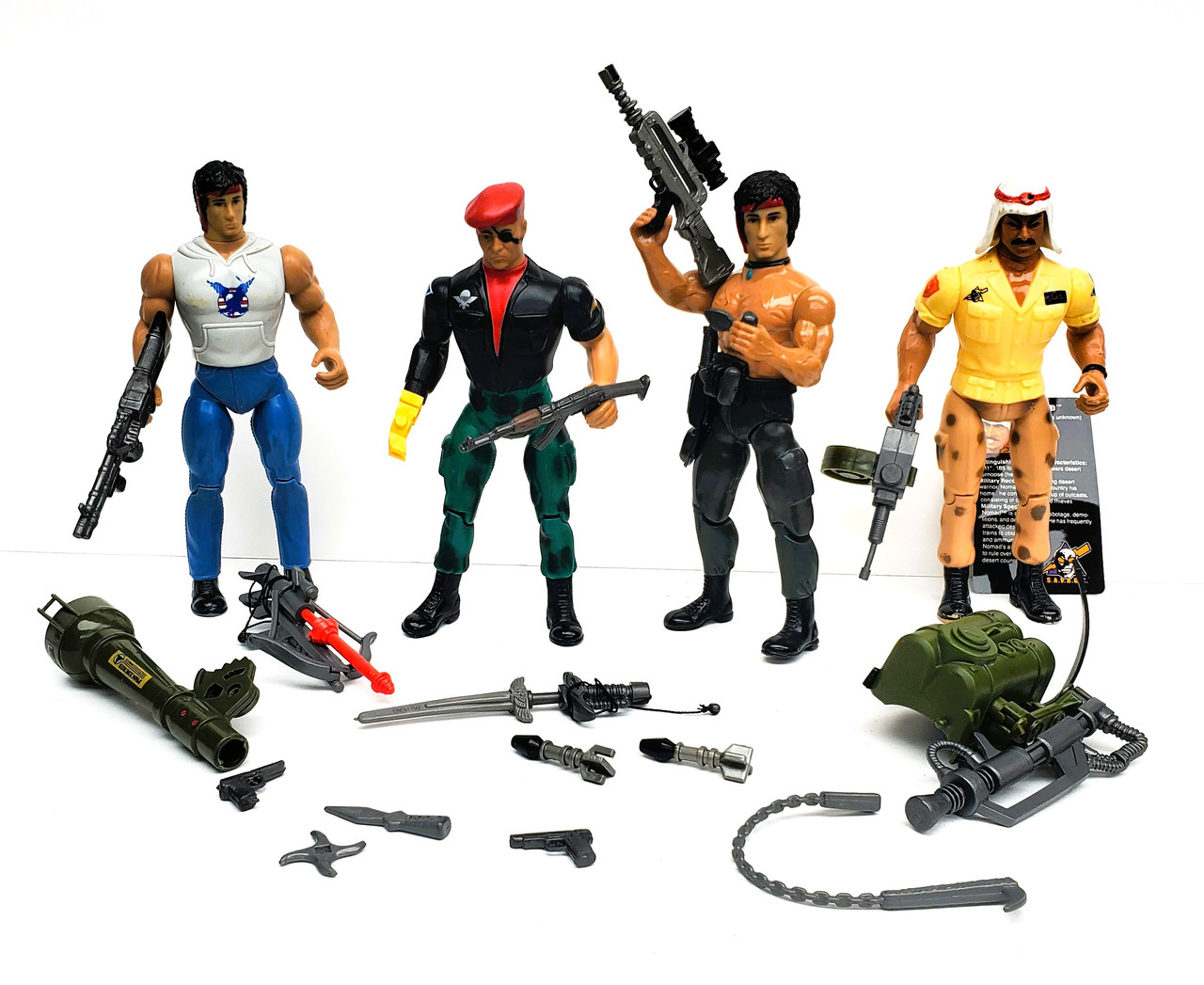
Coleco transformed Rambo from a brooding, complex anti-hero into the centerpiece of a full-fledged action figure line. But they didn’t stop there. To make it palatable for younger audiences, they softened the edges. The violence? Toned down. The storytelling? Reimagined. The result? “Rambo: The Force of Freedom,” a Saturday morning cartoon that turned a lone wolf into the leader of a heroic team battling the villainous S.A.V.A.G.E. organization.
And just like that, Rambo joined the ranks of kid-friendly icons alongside G.I. Joe and He-Man.
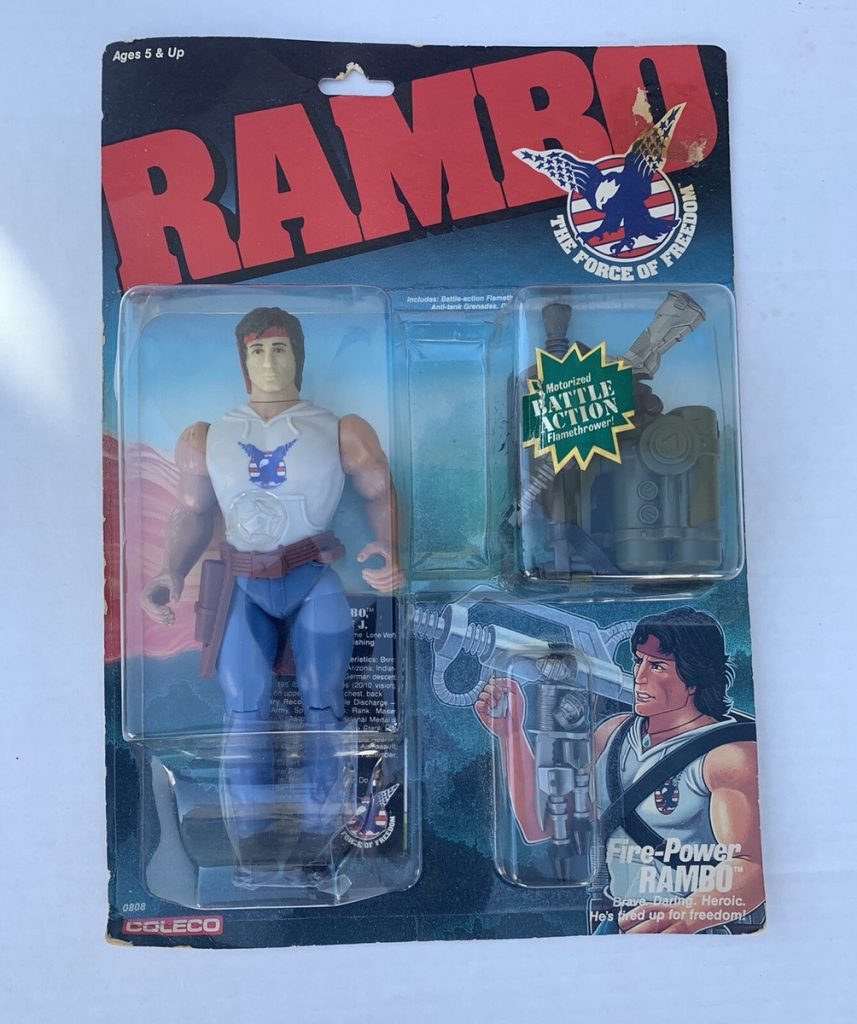
The toy line itself was a fascinating mix of military grit and imaginative flair. The figures stood roughly 6 to 7 inches tall—larger than many competitors—and featured bold sculpts with exaggerated muscles and expressive faces. Rambo, of course, came equipped with his signature headband, combat gear, and an arsenal that would make any backyard mission feel like a cinematic showdown.
But the real magic was in the supporting cast. Coleco didn’t just rely on Rambo alone; they built an entire universe. Allies like Turbo and Kat brought diversity and personality, while villains like General Warhawk added that classic over-the-top menace kids loved to defeat.
Then came the vehicles and playsets—because what’s an action figure line without them? From attack jeeps to missile-launching command centers, the Rambo line delivered the kind of imaginative fuel that turned living rooms into battlefields. Every accessory felt like a piece of a larger story waiting to be told.
What made this line truly unique, though, was its identity crisis—in the best possible way. It straddled two worlds: the adult-oriented intensity of its film origins and the colorful, adventurous tone of 1980s toy marketing. It shouldn’t have worked… but it did.
For kids of the era, Rambo wasn’t just a movie character. He was a hero you could hold in your hand, send on missions, and ultimately control. That shift—from passive viewer to active storyteller—is what made the line so memorable.
Today, the Coleco Rambo figures stand as a testament to a wild era in toy history. An era when anything could become a toy line, when cartoons existed to sell figures, and when even the most unlikely heroes could find new life in plastic form.
And maybe that’s the real story here—not just about Rambo, but about imagination. Because in the end, every kid who picked up that figure wasn’t thinking about war or politics.
They were thinking about adventure.