Mike Love, Legendary Beach Boys Co-Founder, Dies at 85: The Extraordinary Life Behind America’s Endless Summer
SerpentorsLair | In Memoriam | Music Legends
Mike Love, Legendary Beach Boys Co-Founder, Dies at 85: The Extraordinary Life Behind America’s Endless Summer
From the sun-drenched harmonies of the 1960s to the astonishing comeback of “Kokomo,” the singer, songwriter and outspoken frontman helped define the sound of a generation.
By Adam Jared | November 28, 2026

There are certain voices that can transport us to another time before we even realize what is happening. A few seconds of a Beach Boys record can summon memories of family road trips, transistor radios, summertime romances and long afternoons when the world seemed a little less complicated. Mike Love was one of the voices that made those memories possible.
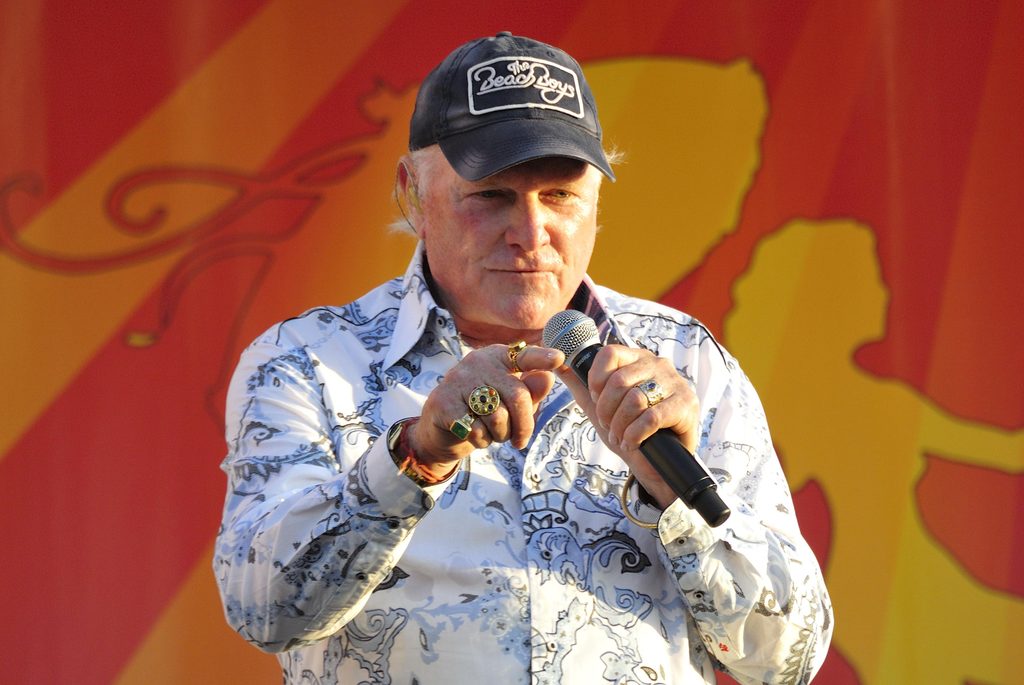
The legendary founding member of the Beach Boys died on Saturday, November 28, at the age of 85. His publicist, Katie Altman, confirmed that he was surrounded by family. The Associated Press and NBC Los Angeles reported his death. No cause of death had been announced at publication.
Love leaves behind a legacy that is as complicated as it is extraordinary: a remarkable collection of songs, a fiercely debated place in rock history and more than six decades spent bringing the music of the Beach Boys to the stage.
REMEMBERING A LEGEND
Michael Edward Love
March 15, 1941 – November 28, 2026
Singer, songwriter, performer and founding member of the Beach Boys.
Before the World Knew Their Names
Long before concert arenas and gold records, Love’s musical world revolved around his family in Southern California. Growing up near his cousins Brian, Dennis and Carl Wilson, he discovered the pleasure of singing together at family gatherings. Those informal harmonies would eventually become the foundation of one of America’s most influential bands.
In 1961, Love, the Wilson brothers and their friend Al Jardine began recording as a group. Known initially as the Pendletones, they acquired the name the Beach Boys when their first single, “Surfin’,” was released. Suddenly, their local California culture had a sound of its own.

Love understood the appeal of the everyday teenage experience: cool cars, summertime adventures, independence and young love. His writing helped turn those experiences into vivid pop songs, even for listeners who had never seen the Pacific Ocean. While Brian Wilson was developing increasingly sophisticated musical arrangements, Love brought an instinct for memorable words and an unmistakable vocal personality.
Watch on the official Beach Boys YouTube channel.
The Two Cousins Who Changed Pop Music

Few partnerships in rock history combined such different musical personalities so successfully. Brian Wilson’s gift for melody and production was paired with Love’s flair for accessible lyrics and a distinctive singing voice. Their collaborations helped produce “Fun, Fun, Fun,” “I Get Around,” “California Girls” and “Good Vibrations.”
Listen closely to the records and Love’s contribution becomes particularly apparent. His voice was not simply a lead instrument; its lower register provided an anchor around which the soaring harmonies could move. The result was a sound at once immediately recognizable and remarkably intricate.
Their relationship, however, was rarely simple. As Wilson’s creative ambitions expanded during the 1960s, the band faced a question that would follow it for decades: could its familiar brand of pop coexist with experimental music that challenged its own conventions?
Pet Sounds, Creative Conflict and the Price of Success

Released in 1966, Pet Sounds expanded the possibilities of what a pop album could be. Wilson’s ambitious compositions explored growing up, loneliness and emotional vulnerability. Subsequent sessions for the unfinished Smile project became another source of creative strain.
In popular accounts of Beach Boys history, Love has often been cast as the conservative counterpart to Wilson’s experimentation. Love disputed the characterization that he opposed creative progress. His own vocal performances on Pet Sounds, and his songwriting partnership on “Good Vibrations,” complicate any portrayal of him as unwilling to participate in adventurous music.
Disagreements over recognition and songwriting royalties also resulted in litigation. In 1994, Love successfully sought credit for numerous compositions, a consequential chapter in the decades-long dispute over who deserved recognition for the group’s classic catalog.
There is no need to erase those disagreements to appreciate the music. Their finest recordings remain an extraordinary example of what contrasting talents can achieve when brought together.
Watch on the official Beach Boys YouTube channel.
Life Beyond the Beach
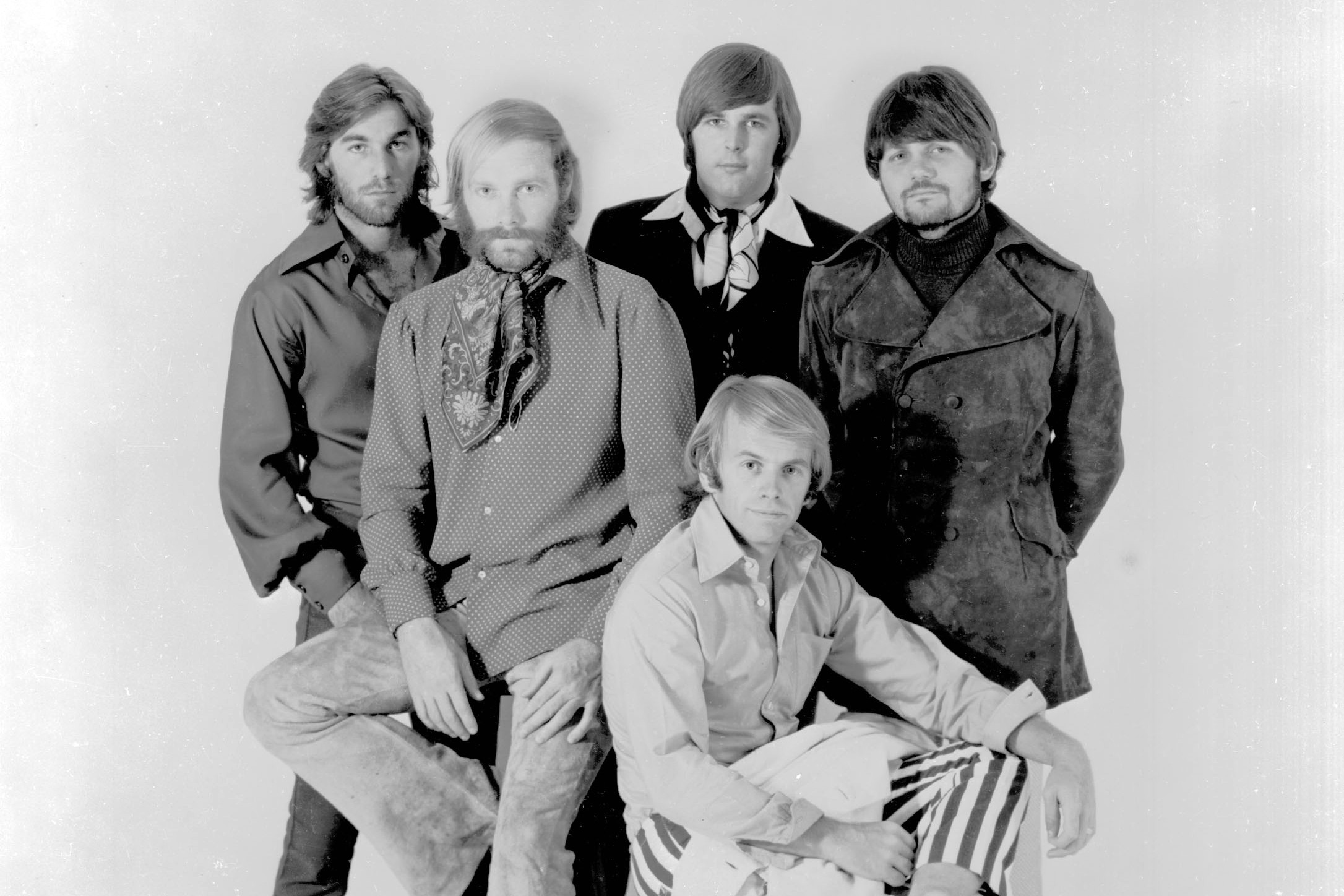
Love’s personal interests extended beyond the group’s surf-and-sand image. In 1968, his exploration of Transcendental Meditation took him to India, where the Beatles were also studying with Maharishi Mahesh Yogi. Spiritual practice remained important to him throughout his life.
Meanwhile, the Beach Boys continued to evolve. Their 1974 collection Endless Summer introduced old favorites to another generation, restoring the group’s commercial momentum and demonstrating an enduring appetite for the early music.
The band also experienced devastating losses. Dennis Wilson died in 1983, and Carl Wilson died in 1998. The group that had grown out of a family’s shared love of music was gradually losing the original voices that made its harmonies possible.

1988: The Summer the Beach Boys Came Back

For those of us who grew up in the 1980s, the year 1988 holds a special place in Beach Boys history. At a time when MTV, synthesizers and a new generation of pop stars dominated the charts, the group made a spectacular return with “Kokomo.”
Featured in the Tom Cruise movie Cocktail, the song was co-written by Love, Terry Melcher, John Phillips and Scott McKenzie. It reached No. 1 on the Billboard Hot 100 in November 1988, ending the group’s 22-year gap between American chart-toppers.
The Beach Boys were suddenly part of the soundtrack of a different generation. Their connection with actor and musician John Stamos and appearances on Full House further introduced younger audiences to their classic sound.
And what a year it was: in January 1988, Elton John had inducted the group into the Rock & Roll Hall of Fame. Love’s outspoken acceptance speech became controversial, revealing once again an unfiltered public personality that was often at odds with the carefree image associated with the songs.
Reunions, Rivalries and a Lifetime on the Road

For decades, Love remained a familiar presence on concert stages, eventually fronting a touring lineup under the Beach Boys name. Disputes over use of that name and the group’s future were another painful part of its history, but the reunions that did take place offered fans a chance to hear the musicians together again.
In 2012, the surviving members reunited for a 50th anniversary tour and the album That’s Why God Made the Radio. Although conflict resurfaced after the tour, the reunion was a powerful reminder of the musicians’ shared history and the special chemistry of those voices.
Love published his memoir, Good Vibrations: My Life as a Beach Boy, in 2016, offering his account of the band’s turbulent journey. His later solo projects continued to reflect his appreciation for the Beach Boys’ musical heritage.
Watch the official Disney trailer on YouTube.
The Final Chapters of an Extraordinary Journey
In 2025, Love was inducted into the Songwriters Hall of Fame, a milestone honoring his contribution to some of the most recognizable songs in American pop. At the induction gala, he performed a medley of classics with John Stamos and the Beach Boys band.
The recognition came during a period of personal loss. Brian Wilson died in June 2025 at the age of 82. Despite the tensions that had marked their partnership, Love reflected publicly on the joy of creating music with his cousin.
Love continued performing in 2026, though health challenges interrupted his touring schedule. His death now marks another profoundly significant loss for the Beach Boys family and the generations of fans who grew up with its music. His publicist has not disclosed a cause of death.
The Mike Love Listening List
Ten essential Beach Boys recordings connected to Love’s remarkable career:
- “Surfin’ Safari” (1962)
- “Surfin’ U.S.A.” (1963)
- “Little Deuce Coupe” (1963)
- “Fun, Fun, Fun” (1964)
- “I Get Around” (1964)
- “California Girls” (1965)
- “Good Vibrations” (1966)
- “Do It Again” (1968)
- “Getcha Back” (1985)
- “Kokomo” (1988)
The Summer That Never Really Ended
Mike Love’s legacy cannot be reduced to a single song, a controversial speech or a dispute with a bandmate. It belongs equally to the teenage dreams of the 1960s, the families who rediscovered the music during the 1970s and the children of the 1980s who first heard the Beach Boys through “Kokomo.”
Perhaps that is the most remarkable achievement of his career. The music continually found its way into new lives, long after the fashions, cars and radio stations that first carried it had changed.
Today, we remember the man whose voice helped make the California dream a part of American popular culture. Somewhere, a radio will play “California Girls.” Someone will turn up “Good Vibrations.” A family driving toward the ocean will put on “Kokomo.” And for a few minutes, summer will return.
Rest in peace, Mike Love. Thank you for the music and the memories.
Share your favorite song, concert or memory of Mike Love in the comments below.