Artist Spotlight: Michael DiPascale — Bringing Fantasy, Horror, and Forgotten Characters to Life
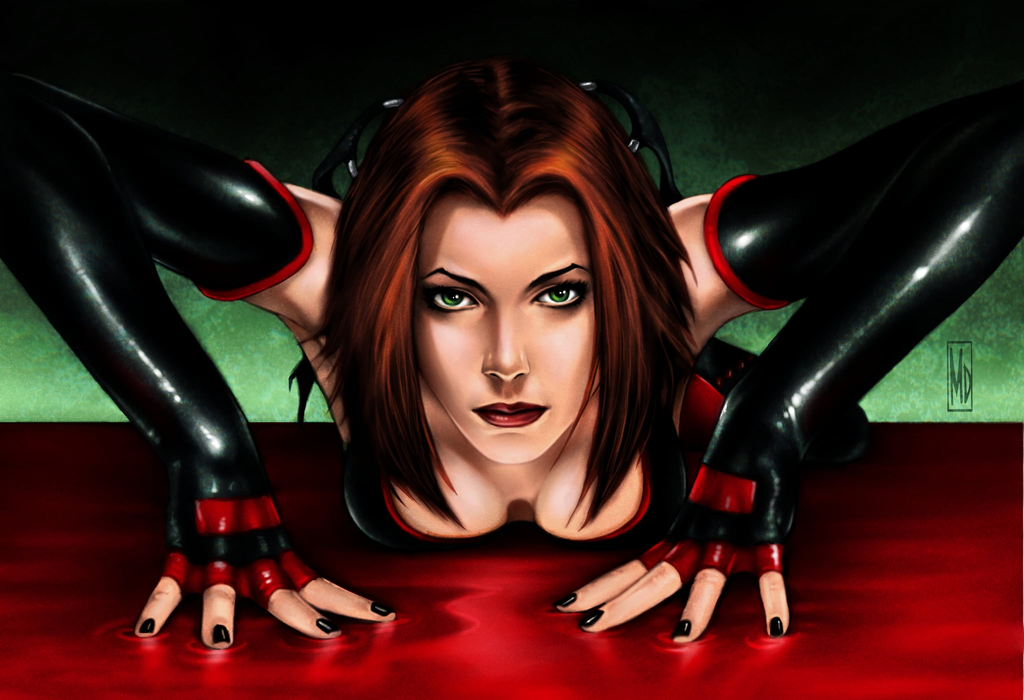
There is something immediately recognizable about the work of Michael DiPascale. Whether he is illustrating the dark world of horror, bringing comic-book characters to life, capturing the personality of three dogs at the end of the world, or exploring the Gothic and Medieval imagery that currently fuels his imagination, DiPascale approaches every piece with a distinctive style that remains unmistakably his own.
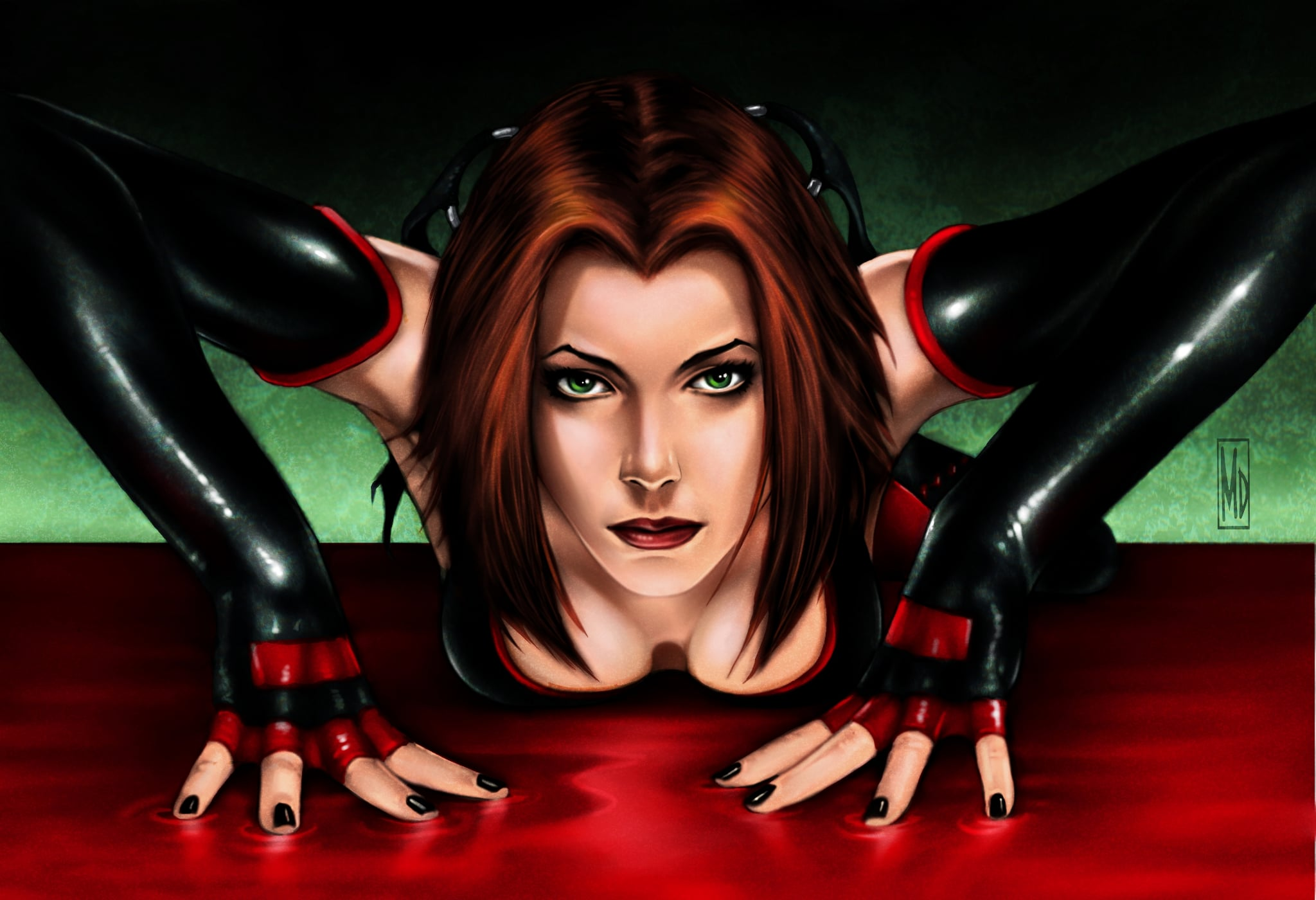
A freelance fantasy illustrator with an extensive career in comics, DiPascale has created work for publishers including Avatar Press, BOOM! Studios, Zenescope, Coffin Comics, Digital Webbing, and others. His career has included everything from BloodRayne and comic-book covers to the remarkable challenge of bringing writer Garth Ennis’ Rover Red Charlie to life.
For this installment of our Artist Spotlight series, we spoke with Michael about the experiences that shaped his career, developing a personal artistic style, creating memorable comic covers, working in horror, overcoming creative weaknesses, and the ambitious Gothic Medieval project he hopes to bring together in a future art book.
THE INTERVIEW
1. Looking back on your career, what project or experience do you feel had the biggest influence on your development as a professional artist?
Probably working on the BloodRayne titles. That was my first experience creating published work.
The owner and editor of Digital Webbing, Ed Dukeshire, who owned the license to produce comics based on the video game, was a huge positive influence on me. Ed was very patient, and he gave me the freedom to experiment and find my style as a comic-cover artist.
Ed was also a letterer in the industry, and he opened the door for me to do work with BOOM! Studios. That allowed me to work with different editors who each saw my work in different ways, which also helped my style continue to evolve.
I’ve received a lot of input and a lot of really good advice from so many great people in the industry over the years. All of those experiences have contributed to the artist I became.
2. Your work crosses fantasy, horror, superheroes, and other genres. How do you adapt your style to different subject matter while still maintaining your artistic identity?
My style is mine, regardless of the subject matter.
I never really shift away from or try to change the basic look of my artwork. Instead, I use the story or concept to add whatever is needed to create the proper atmosphere and move everything forward visually.
It’s a little difficult to explain, but I’m essentially using the vibe of the genre to add another layer to my own look rather than changing my style to imitate the genre.
3. You had the opportunity to work with Garth Ennis on Rover Red Charlie. How did that project come about, and what challenges did you face bringing its canine characters to life?
I was approached by an editor at Avatar Press and asked to submit samples of three specific dogs for a story they had in development. The editor kept the writer’s name secret until they decided which artist they wanted to use.
My samples were chosen, and I was absolutely shocked when I found out that the writer was Garth Ennis.
It was a dream project for me. Garth provided a great story to bring to life, along with any references or guidance I needed.
In the beginning, the dogs were rendered in a very realistic fashion, and that made it difficult to convey enough emotion through their faces. Eventually, the decision was made to adjust their facial appearances and make them slightly more anthropomorphic.
The challenge was making sure they never became too cartoony.
I spent hours sketching different expressions and trying to find exactly the right balance. I was fortunate enough to be a dog owner myself, so I could study the different ways my own dogs moved, interacted, and communicated with one another and with me.
It was a great experience and one I’ll always be thankful for.
4. Much of your career has involved cover illustration rather than sequential interior artwork. How does your creative approach differ when you’re creating a single image that has to represent an entire story?
I’ve mainly done cover work during my career versus interior sequential work.
With interior work, much of the mood and atmosphere is provided by the writer and the script. The lighting and composition are then influenced by what’s happening within that story.
With cover work, it really depends on the editor and how much freedom they’re willing to give you. I’ve been fortunate—and sometimes unfortunate—to experience both ends of that spectrum.
Every editor has an idea of what they want to see. Some are simply more willing than others to trust the artist.
Once I’m given a little direction, it comes down to my imagination and what I can get away with!
It always starts with thumbnails. I’ll experiment with different poses, compositions, and lighting until I find the one that checks all the boxes.
5. In your opinion, what separates an average comic-book cover from one that people remember years later?
An unforgettable cover has to look good. You definitely want it to be unforgettable for the right reasons!
It also depends on what the book calls for.
With the covers for Rover Red Charlie, I liked taking a scene or panel from the book and mentally spinning the camera around until I found a completely different view or perspective of what was happening.
With a single-character cover, it’s all about the pose and the lighting. Those elements give the character and the image its attitude.
Once again, it really comes down to roughing out ideas until something finally clicks.
6. Horror has played a significant role in your work. Where do you draw inspiration when you’re trying to create something genuinely unsettling?
You have to be a fan of the genre first and foremost.
Some of my favorite horror movies are The Exorcist, The Exorcist III, and Hereditary. All three come at you from different angles, but they still manage to deliver that scare.
I pull inspiration from those kinds of things, especially the things that personally get under my skin, when I’m drawing or painting darker horror imagery.
Some people respond to blood splatter. Others react more strongly to the creepy stare of a demon or serial killer.
There are so many different fears people have. As an artist, you can pull from all of them rather than putting unnecessary limits on what might be considered “too much” creatively.
7. What aspects of art have been the most difficult for you to master, and what advice would you give artists who are struggling with weaknesses in their own work?
Anatomy and texture.
Those are two things I struggled with early in my career and, at times, still do.
I’m always learning and always watching. I love seeing how other artists have mastered their craft and studying the techniques they use to see what I can adapt and incorporate as I continue developing my own skills.
I’m also still learning to be fearless—to not be afraid to experiment or make mistakes.
Once you get over that hurdle, it can feel like a huge creative weight has been lifted from you.
8. Can you walk us through your creative process, from the first idea or script all the way to the finished artwork?
For interior work, I begin by reading the entire script.
Then it’s on to thumbnails, roughs, approvals or revisions, and finally the finished artwork. Covers follow basically the same process.
For something I’m developing independently, once I have a concept or a look that strikes me, I’ll begin roughing out the idea while looking through references for things like clothing, jewelry, architecture, or backgrounds.
I start everything digitally because it allows me to interchange elements and experiment with different designs without sitting in a mountain of eraser scraps!
Once I like the direction of the piece, I start experimenting with lighting and then with different color palettes.
If I’m rendering something in graphite, I’ll create a completely finished and polished graphite piece first. Then I’ll scan it and begin the digital painting and color work.
Once everything is finished, I have prints made.
9. With so many famous characters available to artists, you’ve said you enjoy working with lesser-known and sometimes nearly forgotten characters. What attracts you to them?
I really enjoy doing the little-known, barely used, almost forgotten characters.
They’re not mainstream, which means I’m usually much freer to interpret them without constantly being compared to how everyone else has drawn that particular character.
They’re fun.
It’s also always awesome when someone sees the finished piece, remembers the character, and immediately recognizes who it is.
10. What is the project you still hope to accomplish that would feel like a major personal milestone?
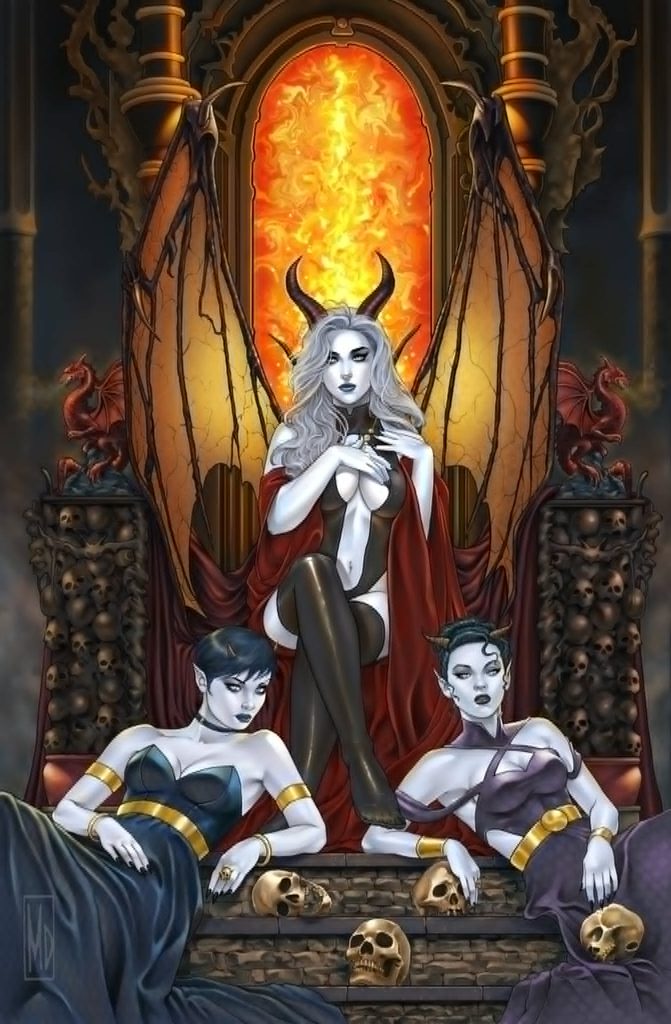
One of the last major things I really want to do—and something I’m currently working on—is an art and coffee-table book featuring Gothic Medieval pieces.
I actually kind of walked away from comics to pursue this project, although I’ve since been pulled back into comics again!
I have close to 28 images finished and I’m continuing to add more.
Gothic Medieval imagery is a genre I’ve always loved. I really hope people will appreciate both the subject matter and my work when the collection is finally complete.
Thanks!
A DISTINCTIVE ARTISTIC VOICE
Michael DiPascale’s career demonstrates something that can sometimes get lost when discussing professional illustration: developing as an artist doesn’t mean abandoning what makes your work uniquely yours.
From the early opportunities provided through Digital Webbing and his experiences working with different editors, to BloodRayne, BOOM! Studios, Avatar Press, Rover Red Charlie, horror illustration, cover work, and his continuing exploration of Gothic Medieval imagery, DiPascale has continued refining his craft without sacrificing his artistic identity.
Perhaps even more importantly, Michael still considers himself a student of the craft. His willingness to study other artists, experiment, make mistakes, and continually work on areas such as anatomy and texture is a valuable reminder that artistic growth doesn’t stop when someone becomes a professional.
We sincerely thank Michael DiPascale for taking the time to participate in our Artist Spotlight series and for sharing such an insightful look into his career and creative process.
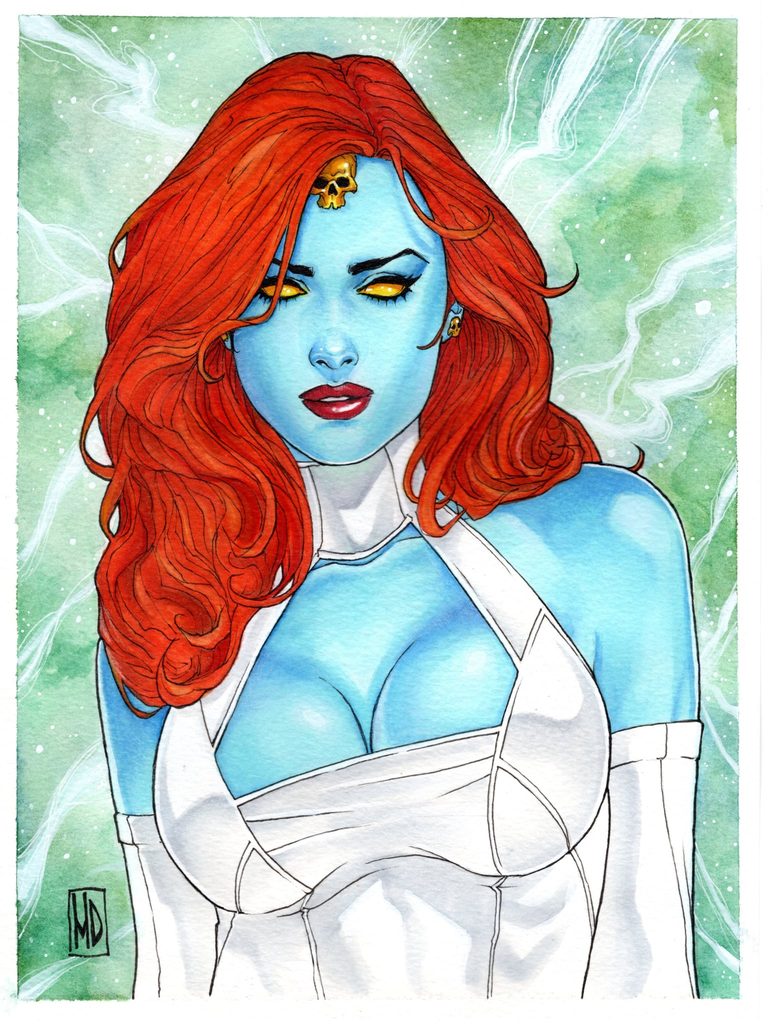
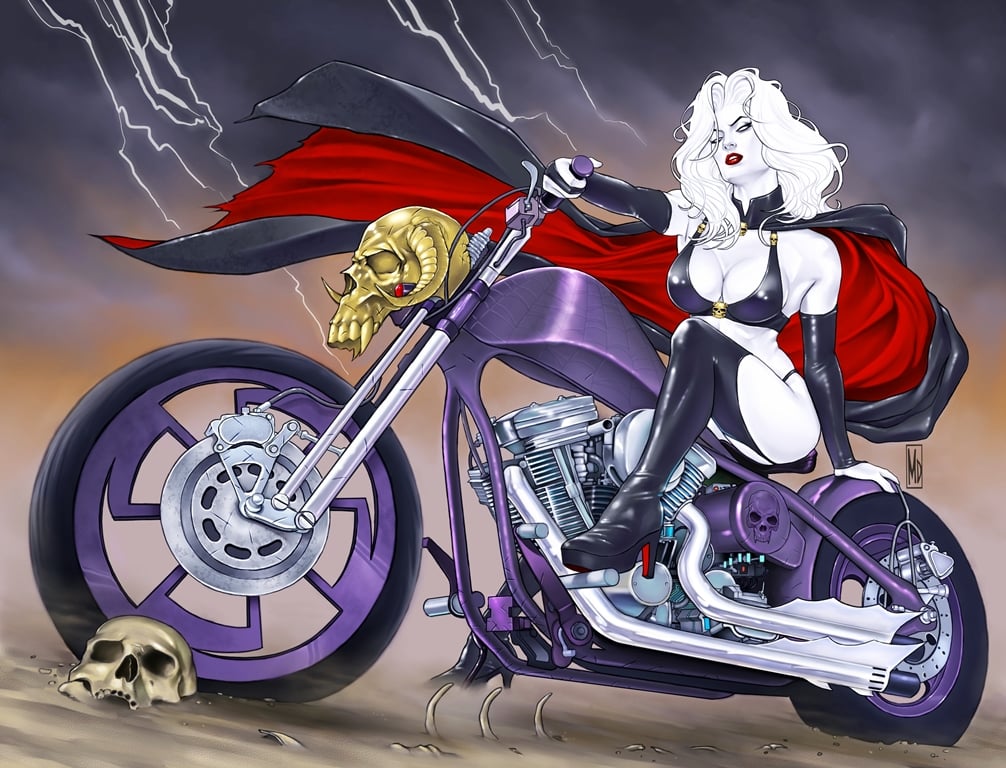
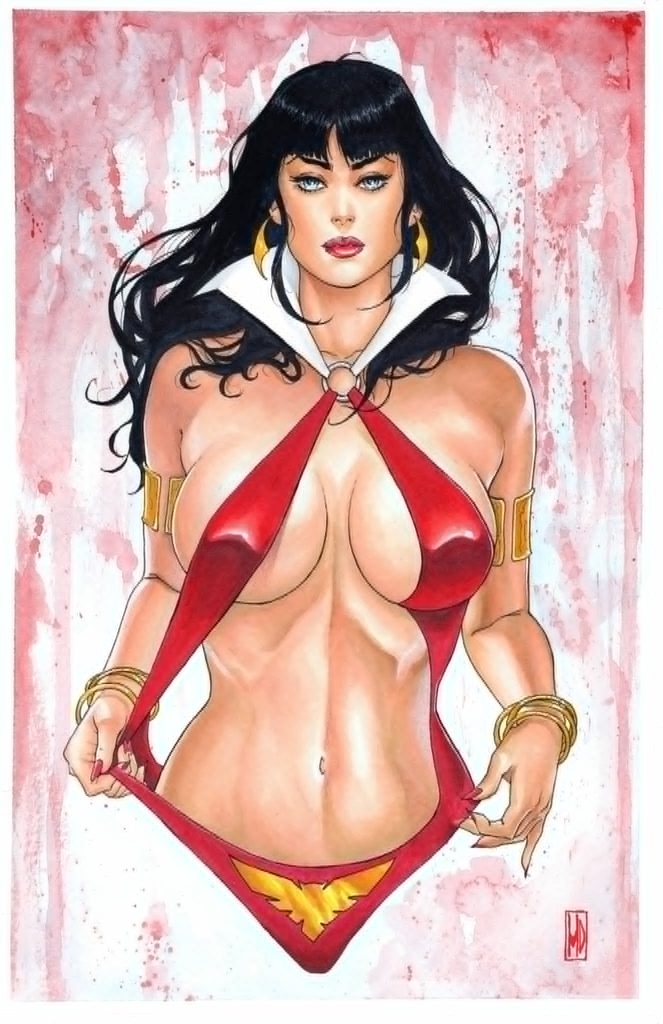
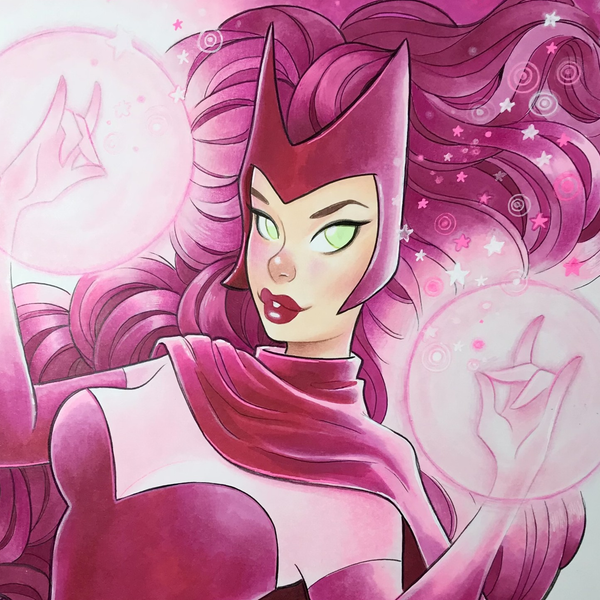
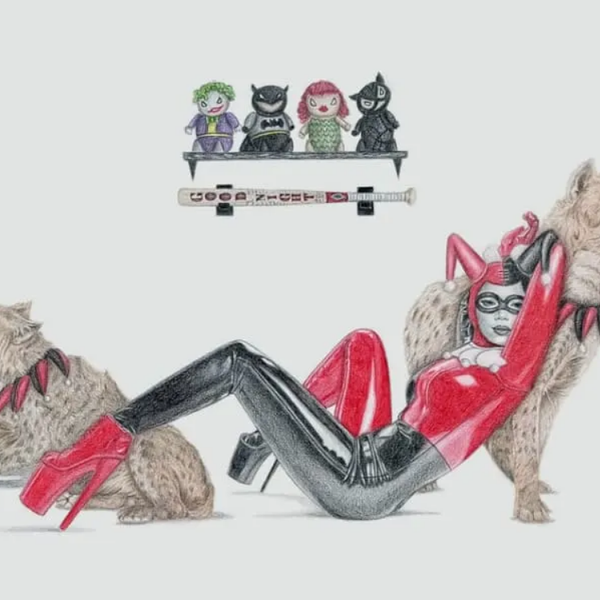
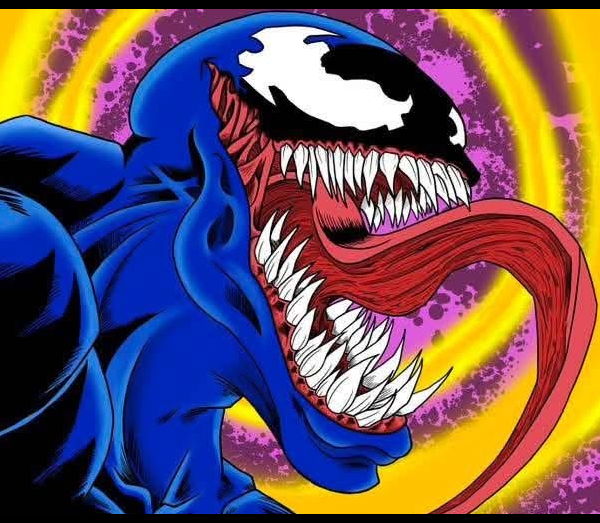
Be sure to check out Michael’s artwork featured below.
You can also explore Michael DiPascale’s artwork, available pieces, current listings, and information about purchasing or commissioning work through his Raremarq profile:
View Michael DiPascale on Raremarq: Michael DiPascale — Raremarq Artist Profile