BUT DID YOU KNOW? Don’t Feed These Facts After Midnight: The Wild Secrets Behind 1984’s Gremlins
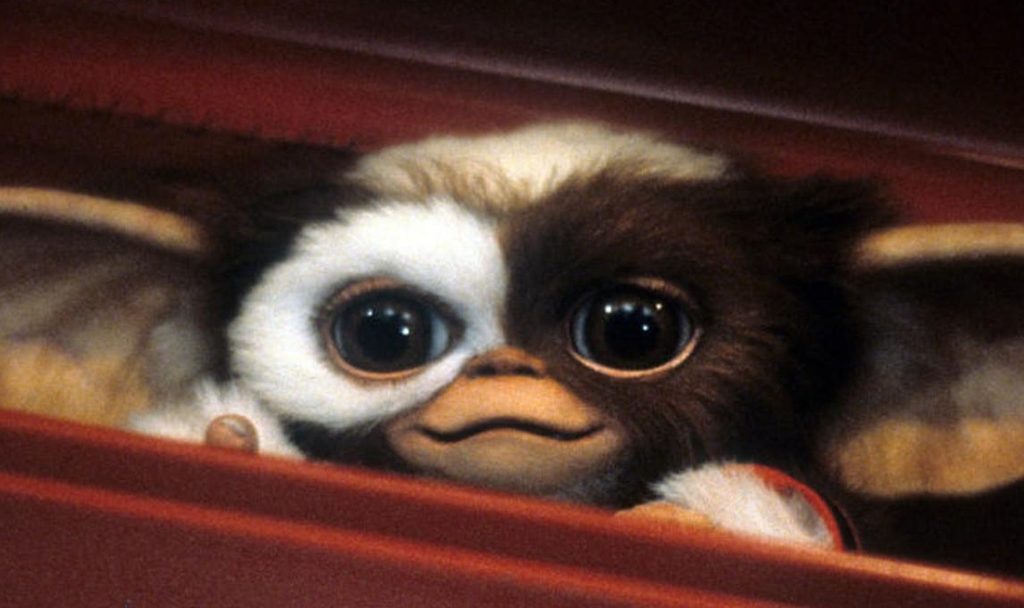
Few movies capture the wonderfully strange personality of the 1980s quite like Gremlins. Released on June 8, 1984, Joe Dante’s horror-comedy somehow managed to combine Christmas, adorable furry creatures, gruesome monster mayhem, dark comedy and Steven Spielberg-style adventure into one unforgettable package.
You know the rules: keep them away from bright light, never get them wet and, most importantly, never feed them after midnight. But did you know the movie hiding behind those rules is packed with strange production stories and alternate ideas that could have made Gremlins a completely different film?
Chris Columbus originally wrote Gremlins as a spec script and writing sample, not because he expected Hollywood to actually produce it. The idea was partially inspired by mice that infested his New York apartment while he attended NYU. Columbus recalled hearing them scampering around at night, and those unsettling sounds helped inspire his destructive little creatures. Steven Spielberg eventually read the script and saw something special in it.
The movie Spielberg discovered, however, was considerably nastier than the one audiences eventually saw. Columbus’ early story reportedly included the Gremlins killing Billy’s dog and even decapitating Billy’s mother and sending her head tumbling down the stairs. Spielberg, Dante and Warner Bros. ultimately pushed the project toward the bizarre mixture of horror and humor we know today.
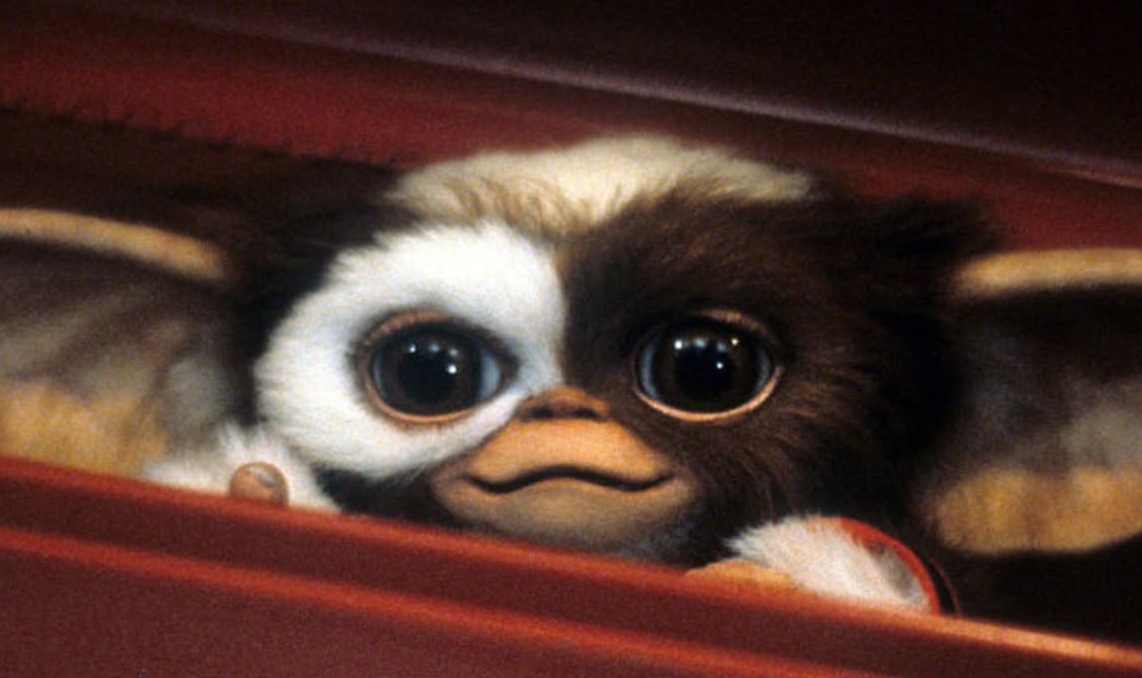
Perhaps the biggest shock involves Gizmo himself. Originally, lovable Gizmo was supposed to transform into Stripe roughly a quarter of the way through the story. That meant the adorable Mogwai essentially disappeared and became the movie’s villain. Spielberg liked Gizmo so much that he suggested keeping him good and making Stripe a separate creature. That single decision arguably changed the entire identity of the franchise.
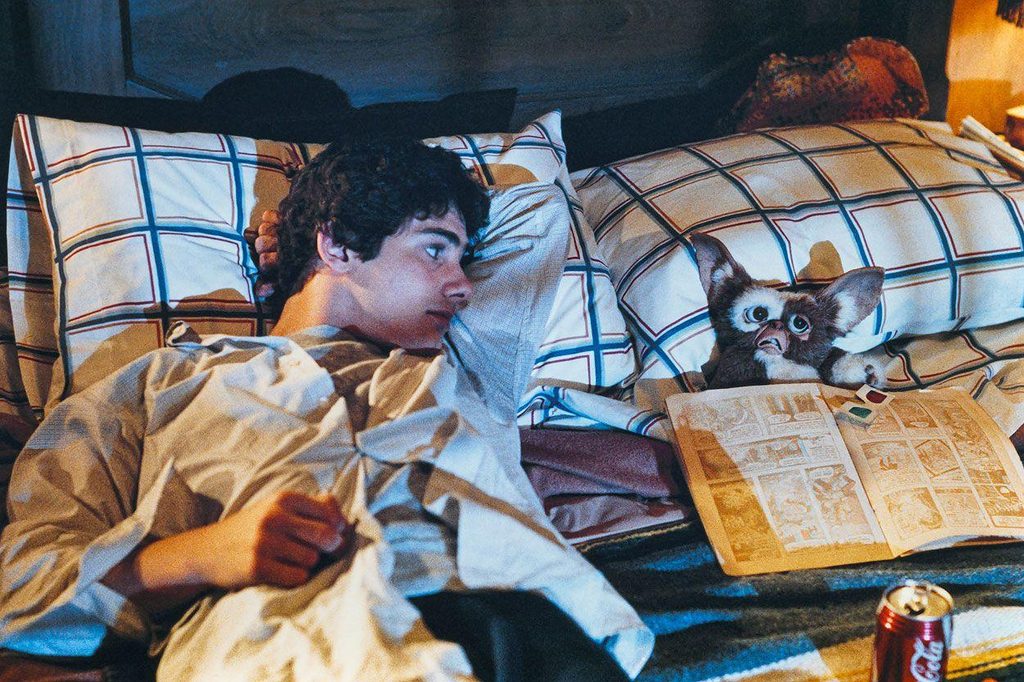
Even Gizmo’s famous brown-and-white appearance has a Spielberg connection. After numerous designs failed to win approval, the filmmakers patterned Gizmo’s coloring after Spielberg’s cocker spaniel. Dante later recalled that the idea finally helped get the design approved.
And forget CGI—the creatures were overwhelmingly practical effects. Creature designer Chris Walas spent approximately seven months in preproduction, and AFI records indicate that the production ultimately constructed 12 Gizmo puppets and 14 Stripe puppets. Walas later described Gremlins as one of the most demanding productions of his career.
Working with Gizmo could also make life interesting for the actors. Zach Galligan recalled that some scenes required control cables running up his arms, underneath his clothing and down his legs so puppeteers could operate Gizmo while Billy appeared to hold him naturally. There wasn’t a computer waiting to erase every mechanical inconvenience afterward.
Gizmo’s unmistakable voice came from comedian Howie Mandel, but here’s the strange part: AFI notes that Mandel originally received no onscreen credit for providing the voice. And although audiences associate Gizmo’s musical moments with the character, Mandel didn’t perform “Gizmo’s Song.” Composer Jerry Goldsmith ultimately used a young girl for the singing voice.
Then there is Phoebe Cates’ famously bizarre Christmas monologue about Kate discovering her father dead inside the chimney while dressed as Santa Claus. Studio executives wanted the scene removed, but Dante fought to keep it. Spielberg ultimately supported Dante’s right to make the decision, and one of the strangest moments in an already strange movie survived.
Perhaps Gremlins’ biggest legacy happened outside the movie itself. The surprisingly intense violence in the PG-rated Gremlins, combined with controversy surrounding Indiana Jones and the Temple of Doom, helped convince Spielberg that Hollywood needed a rating between PG and R. He suggested the idea to the MPAA, and PG-13 was introduced in 1984. Red Dawn became the first film released with the new rating.
So the next time Gizmo starts singing and Stripe starts causing trouble, remember: the Gremlins we love almost featured a villainous Gizmo, a much higher body count and enough darkness to make that infamous kitchen scene look tame.
But did you know? Now you do.