Cheers at 42: How a Sitcom About a Bar Became a Cultural Icon
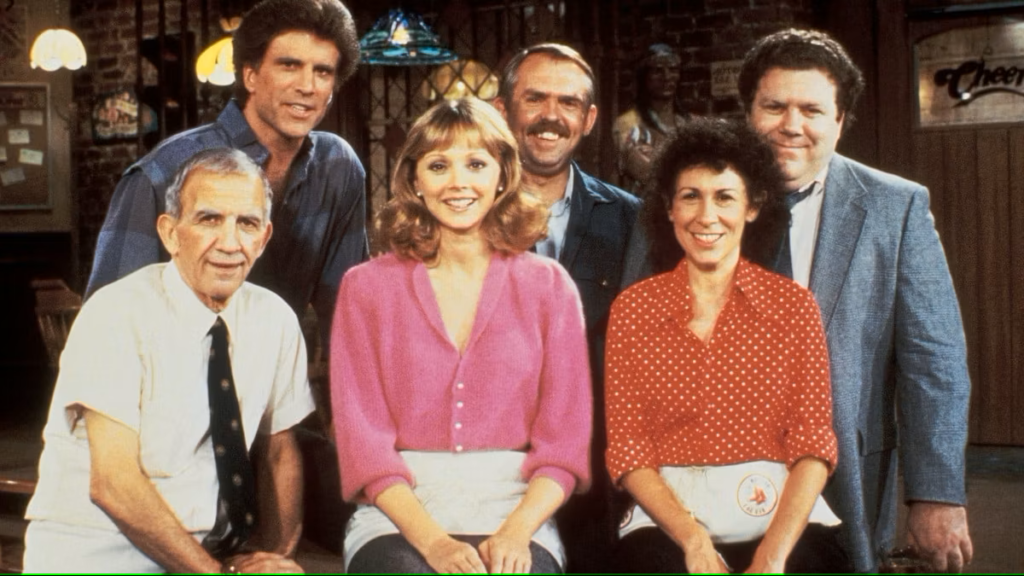
On September 30th, 1982, a simple sitcom about a Boston bar debuted on NBC. The show, Cheers, introduced audiences to a cozy, neighborhood watering hole where everyone knew your name. Little did anyone know that this low-rated debut would evolve into one of the most beloved and critically acclaimed television series in history, leaving an indelible mark on pop culture for decades to come.
A Rocky Start with a Legendary Payoff
Cheers had a humble beginning. The pilot, though praised by critics, premiered to low viewership. In fact, Cheers ranked nearly dead last in the Nielsen ratings during its first season. Yet, thanks to the network’s faith in its unique setting and sharp ensemble cast, the series was given the time it needed to find its footing. By the second season, word of mouth and rave reviews began to pay off. The show surged in popularity, eventually becoming a top-rated sitcom for the remainder of its run.
What made Cheers stand out was its heartfelt simplicity. Set almost entirely within the confines of the eponymous bar, the show leaned on character-driven humor and a mixture of witty, intelligent dialogue. The charm of the setting lay in the relatability of the cast of regulars—each with their quirks and foibles. From Sam Malone (Ted Danson), the ex-baseball player turned womanizing bartender, to Diane Chambers (Shelley Long), the snobby intellectual, to the dim-witted yet lovable bartender Woody (Woody Harrelson), the show perfected the ensemble format.
A Cultural Milestone
By the time Cheers ended in 1993 after 11 successful seasons, it had amassed numerous accolades. With 28 Primetime Emmy Awards, the show demonstrated its staying power and the enduring appeal of smart, character-driven comedy. It also made its cast into household names, with Ted Danson, Shelley Long, Rhea Perlman, Kelsey Grammer, and Woody Harrelson becoming Hollywood fixtures.
But Cheers did more than just win awards—it changed the landscape of TV sitcoms. It struck a balance between laugh-out-loud moments and deeper emotional beats, bringing a sense of real-life drama to the comedy format. The “will they, won’t they” romance between Sam and Diane captivated audiences for five seasons and set the blueprint for countless TV couples thereafter. The show’s ability to mix pathos with humor in such a genuine way ensured its place as more than just another sitcom.
Additionally, the show’s legacy continued through its highly successful spinoff, Frasier, which itself ran for 11 seasons, adding to the cultural reach of the Cheers universe.
Iconic Moments
Cheers had no shortage of memorable moments—from Sam and Diane’s volatile romance to Cliff Clavin’s hilarious misinformed trivia, and Norm’s (George Wendt) classic entrance and beer-fueled one-liners. The series finale, titled “One for the Road,” remains one of the most-watched television episodes of all time, drawing an audience of over 80 million viewers.
Even after more than four decades, the show’s humor and heart still resonate. Today, viewers can stream Cheers and experience the magic of this Boston bar just as vividly as in 1982.
Why Cheers Still Matters Today
The magic of Cheers lies in its timelessness. While technology and society have evolved, the show’s themes of friendship, love, and life’s everyday struggles remain relatable. Its exploration of human nature, relationships, and the search for meaning—through the lens of regulars at a bar—continues to captivate new generations.
In the end, Cheers was much more than a sitcom; it was a celebration of the everyday connections that shape our lives. It reminded us that sometimes, the best moments are found in the simplest places, surrounded by friends who feel like family. So, raise a glass to Cheers on its 42nd anniversary, and remember—it’s always worth visiting the place “where everybody knows your name.”