Grunge Nostalgia: Nirvana, Pearl Jam & the ’90s Generation
SERPENTORSLAIR.COM
RETRO CULTURE • MUSIC • GENERATION X
THE SOUND OF A GENERATION
ahhhhh –the Grunge nostalgia
By wjrabideau
SERPENTOR’S LAIR CONTRIBUTOR FEATURE
Grunge didn’t die. It just got older, bought a house, and developed back and knee pain.
Flannel, teenage angst, and the glorious sound of not giving a toss. More than three decades later, grunge is still refusing to grow up gracefully.
Remember the ’90s? When MTV actually played music, ripped jeans weren’t a luxury purchase, and looking like you’d slept in a skip was considered a fashion statement? Ah, grunge. The glorious era when showering appeared optional, emotional baggage was practically a fashion accessory, and nobody had quite worked out what to do with their hair. Aquanet, oh how I can remember not being able to breathe after dumping a whole can per hairdo.
It feels like a lifetime ago. Mainly because, rather rudely, it was.
Born from Seattle’s underground music scene in the 1980s, grunge was the scruffy, disgruntled lovechild of punk, heavy metal, and a generation thoroughly fed up with being told everything was brilliant. Bands like Mudhoney, Soundgarden, Red Hot Chili Peppers, Smashing Pumpkins, Stone Temple Pilots, TOOL, and Alice in Chains helped cultivate a sound that was loud, distorted, unapologetically miserable, and absolutely magnificent.
THE UNDERGROUND YEARS


Then came Nirvana.
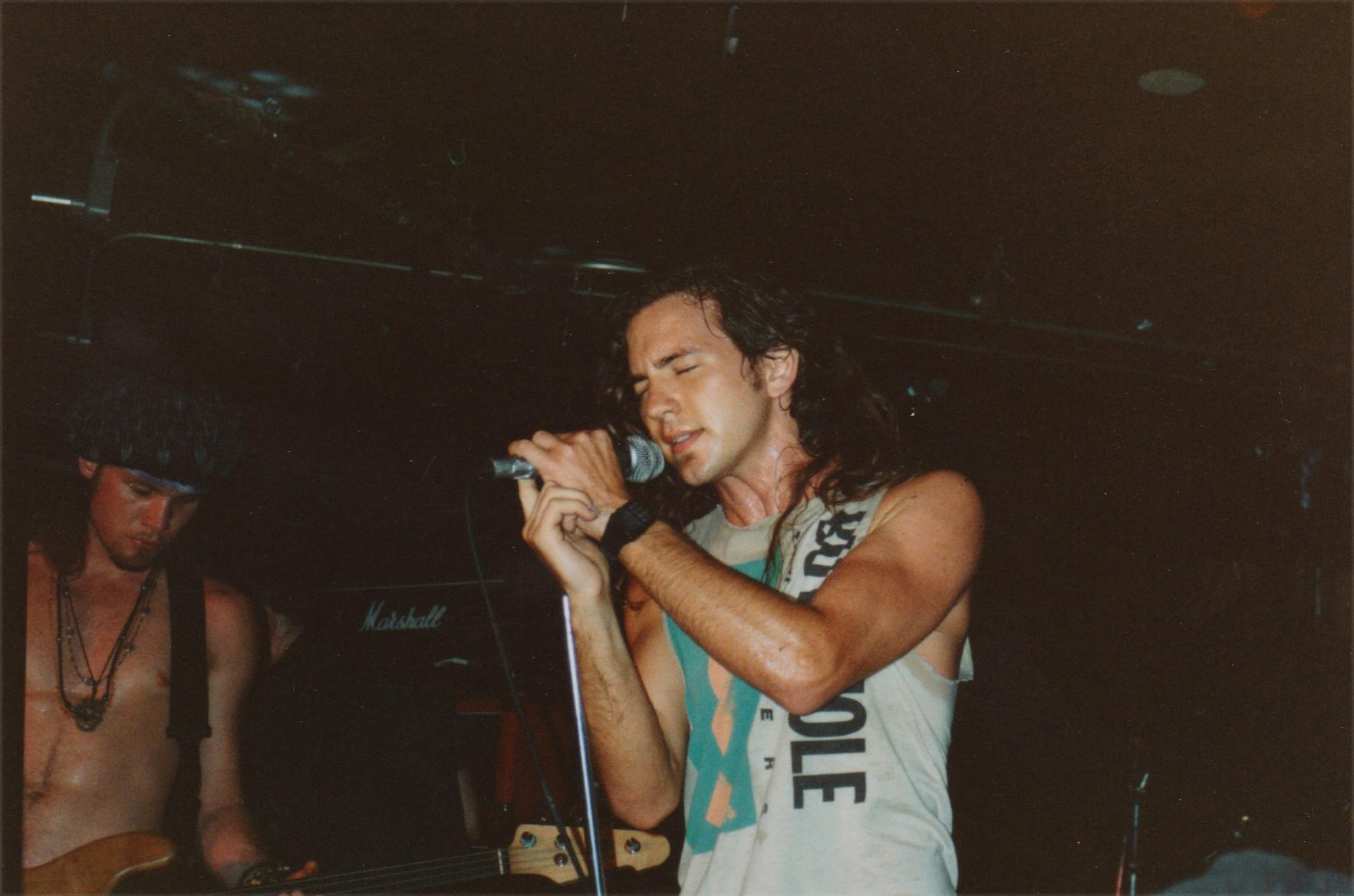
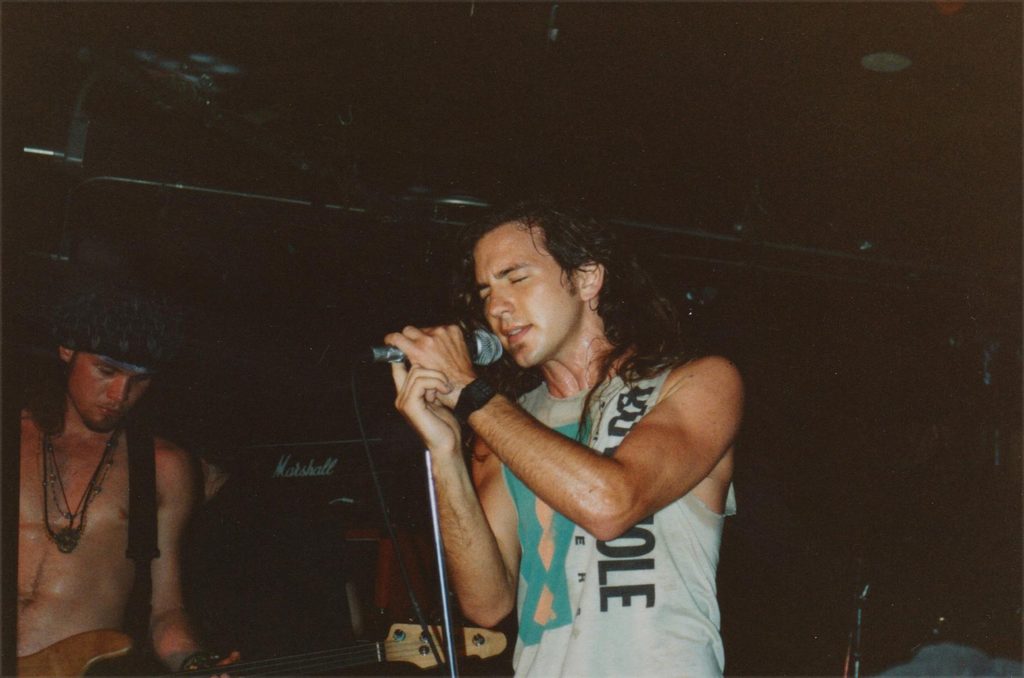
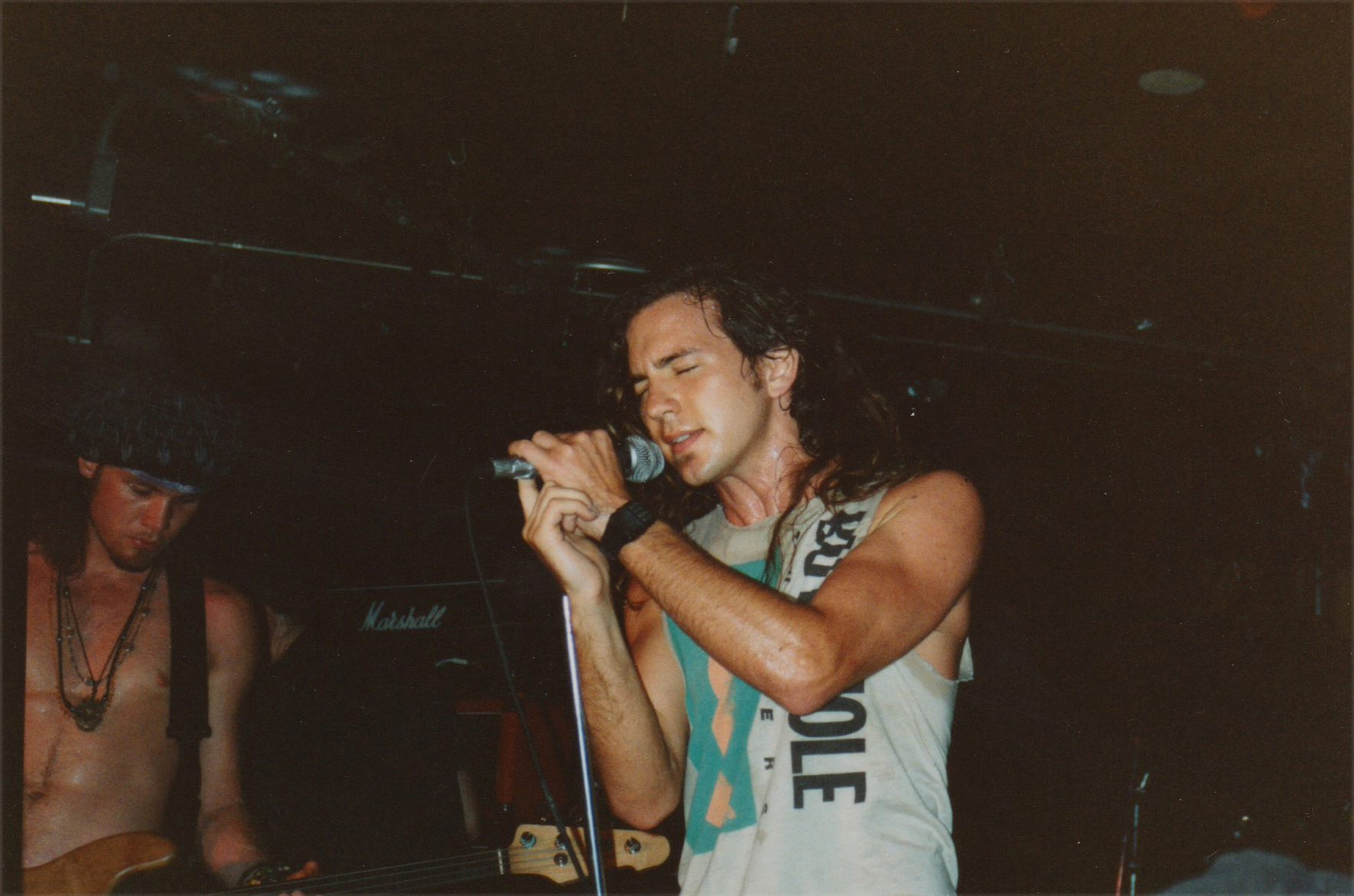
When Nevermind exploded onto the scene in 1991, Kurt Cobain became the reluctant poster boy for an entire generation of disillusioned youth. Alongside Pearl Jam, grunge turned Seattle from a rainy American city into the cultural capital of teenage existential dread. And suddenly, everyone wanted in.

Fashion designers began charging astronomical sums for clothes that looked suspiciously like something your dad wore to clean the garage. Flannel shirts, battered boots, and oversized cardigans became essential wardrobe items. The irony was delicious: a movement that rejected consumerism had become something corporations could flog to the masses.
How terribly predictable.
But grunge was never really about the clothes. Beneath the distortion and questionable grooming habits lay something considerably more important: authenticity.
Grunge gave a voice to people who felt overlooked, misunderstood, or simply exhausted by society’s relentless insistence that they ought to be happy despite the societal misgivings. Its music tackled alienation, addiction, inequality, and identity, without wrapping everything in a cheerful little bow.

Women were integral to that rebellion, too. Artists like Tina Bell of Bam Bam, Fiona Apple, Tori Amos, Sneaker Pimps, Garbage, and Courtney Love of Hole challenged expectations in a male-dominated industry, while the neighboring riot grrrl movement demanded that feminism be heard at full volume.

And here’s where things get interesting.
Grunge is arguably more relevant today than it was thirty-five years ago.
We live in an age of carefully curated social media profiles, manufactured perfection, and influencers pretending their morning routines involve seventeen skincare products and absolutely no existential despair. Frankly, Kurt Cobain would have had a field day.
Younger generations are rediscovering the appeal of thrift shopping, oversized clothing, imperfect aesthetics, and music that actually sounds like someone means it. Contemporary bands continue borrowing grunge’s heavy guitars and emotional honesty, proving that angst, unlike our knees, has remarkable staying power.
Of course, nostalgia has a habit of polishing the past. The grunge era wasn’t all brilliant albums and charmingly unwashed hair. Addiction, mental illness, and devastating losses cast long shadows over the movement. Remembering grunge properly means acknowledging its tragedies alongside its triumphs.
Still, its greatest legacy isn’t a particular guitar riff or a plaid shirt.
It’s the wonderfully stubborn idea that you don’t have to be polished, perfect, or particularly cheerful to matter.
So dig out your old flannel, turn up Pearl Jam, and embrace your inner disaffected teenager. Just perhaps don’t attempt the mosh pit. Your spirit may still be twenty-two, but your lower back has other ideas.
YOUR TURN • JOIN THE CONVERSATION
What bands were your favorite of the Grunge era?
For me I was a Sneaker Pimps, TOOL, Smashing Pumpkins, and Nirvana gal.