He-Man’s Greatest Power Wasn’t the Sword — It Was Mercy
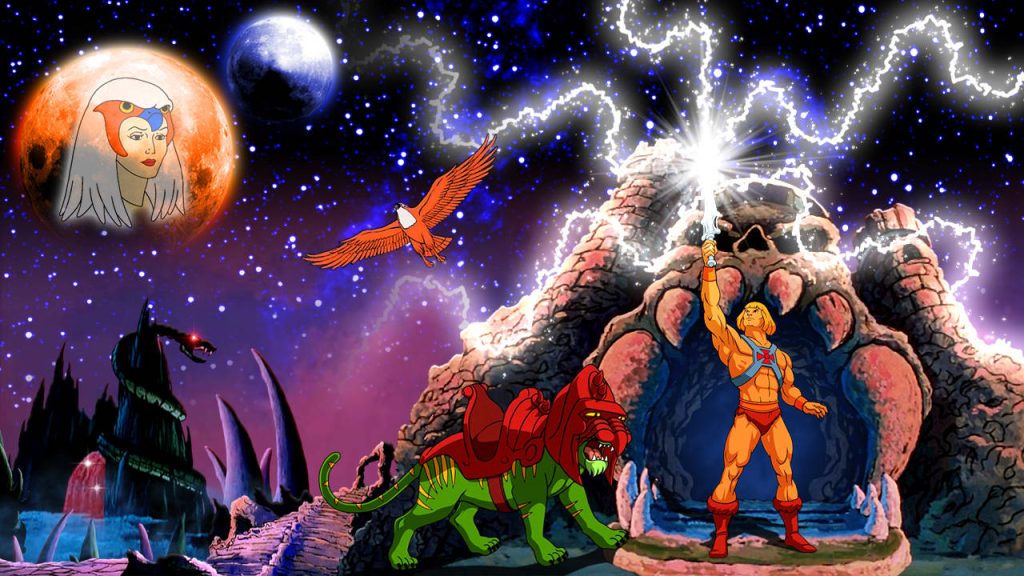
When most people think of He-Man, they think of the sword.
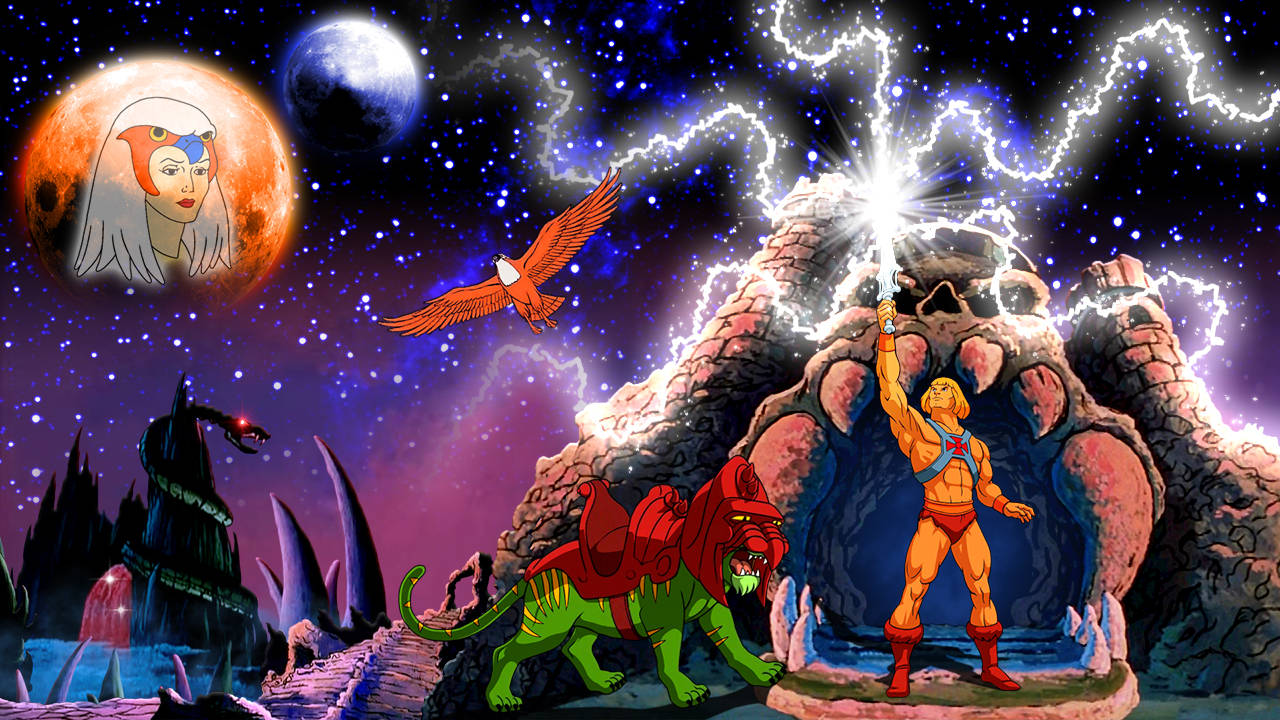
That glowing blade raised high above Prince Adam’s head. The lightning cracking through the sky. The immortal words shouted with the kind of conviction only an 80s kid could fully understand:
“I have the power!”
And just like that, Adam became He-Man, the most powerful man in the universe.
But here is the thing about He-Man that made him different from so many other heroes of the 1980s: his greatest power was never really the sword. It was not the muscles, the battle harness, the heroic yell, or the ability to throw giant monsters across Snake Mountain like they were bean bags.
He-Man’s greatest power was mercy.
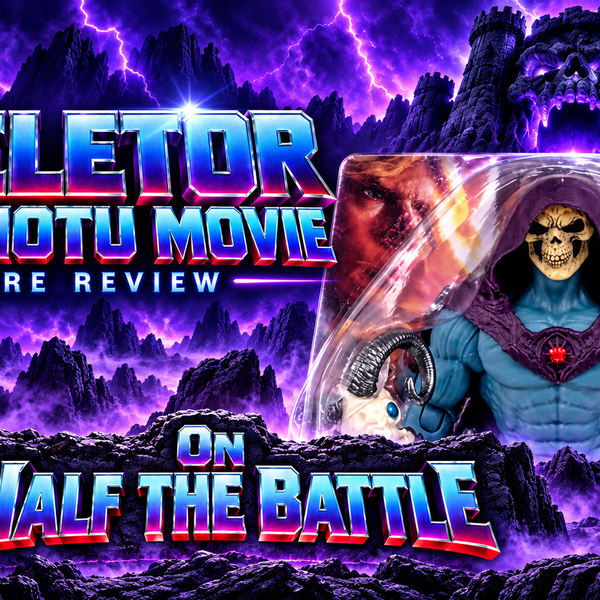
That may sound strange at first, especially when we remember the show through the lens of toy battles, Castle Grayskull playsets, and Skeletor cackling like a skull-faced Saturday morning nightmare. Masters of the Universe was loud, colorful, strange, and absolutely packed with action. It gave us laser battles, monster vehicles, magic, robots, beast men, warrior women, cosmic villains, and some of the greatest character designs ever burned into a generation’s imagination.
But beneath all the bright plastic glory was a surprisingly gentle moral center.
He-Man was strong enough to crush his enemies, but he usually didn’t. He fought to protect, not to punish. He used his strength as a shield more often than a hammer. That is what made him heroic. In a world filled with threats, monsters, and villains, He-Man did not become cruel just because he had the power to be.
That is a lesson a lot of people could still use.
The 1980s loved big heroes. Bigger muscles. Bigger weapons. Bigger explosions. Bigger everything. But He-Man stood out because his power came with restraint. He did not fight because he enjoyed hurting people. He fought because others needed him. There was a difference, and even kids understood it.
When Skeletor attacked Eternia, He-Man was there. When innocent people were threatened, He-Man stepped forward. When his friends were in danger, he acted without hesitation. But when the battle was over, He-Man did not stand over defeated enemies with hatred in his heart. He did not lose himself to rage. He remained noble.
That nobility mattered.
As kids, we came for the sword fights and stayed for the world. Eternia felt dangerous, magical, and alive. Castle Grayskull had secrets. Snake Mountain had terror. The skies were filled with impossible machines. The villains looked like nightmares from a toy aisle fever dream. Yet at the center of all of it stood a hero who reminded us that strength without kindness is not heroism. It is just power.
And power by itself is not enough.
That is why Prince Adam’s transformation mattered so much. Adam was not just turning into a stronger body. He was accepting a responsibility. The sword did not simply give him muscles. It placed a burden on him. To be He-Man meant choosing courage when fear would be easier. It meant choosing compassion when anger would be tempting. It meant choosing mercy when revenge would feel satisfying.
That is the kind of heroism that lasts.
He-Man was not perfect because he was invincible. He was heroic because he had the power to destroy and chose to defend instead. He could have ruled by fear. He could have answered Skeletor’s cruelty with even greater cruelty. But he didn’t. He stayed good.
That idea hit harder than we probably realized as kids.
In many episodes, Masters of the Universe ended with a lesson. Sometimes those lessons were simple. Sometimes they were goofy. Sometimes they felt like a grown-up stepping into the living room after the commercial break. But looking back now, there is something beautiful about it. The show did not just want to sell us heroes. It wanted to teach us how to be better.
And He-Man’s lesson was clear: real strength protects.
That is why the character still matters decades later. In a world that often confuses cruelty with confidence and loudness with leadership, He-Man reminds us that the strongest person in the room does not have to be the harshest. The strongest person can be the one who helps. The one who forgives. The one who refuses to become the monster they are fighting.
That kind of strength is harder than swinging a sword.
It takes strength to show mercy. It takes strength to hold back when anger says to strike. It takes strength to see someone at their worst and still believe there is a better way forward. That was the hidden greatness of He-Man. For all the muscles and magic, he was a hero built around self-control, compassion, and hope.
Skeletor wanted power for himself.
He-Man used power for others.
That is the whole difference.
Maybe that is why 80s kids still love him. Not just because he looked incredible on the toy shelf. Not just because Castle Grayskull was one of the coolest playsets ever created. Not just because the theme music made you want to run through a wall in the name of Eternia.
We love He-Man because he represented the kind of hero we hoped existed.
A hero who was strong but not cruel. Brave but not arrogant. Powerful but not selfish. A hero who could win the fight and still keep his soul.
That is the part worth remembering.
The sword gave He-Man power.
Mercy made him a hero.