October Monster Mash: “Masters of the Dead!” – The Hypnotic Horror of White Zombie (1932)
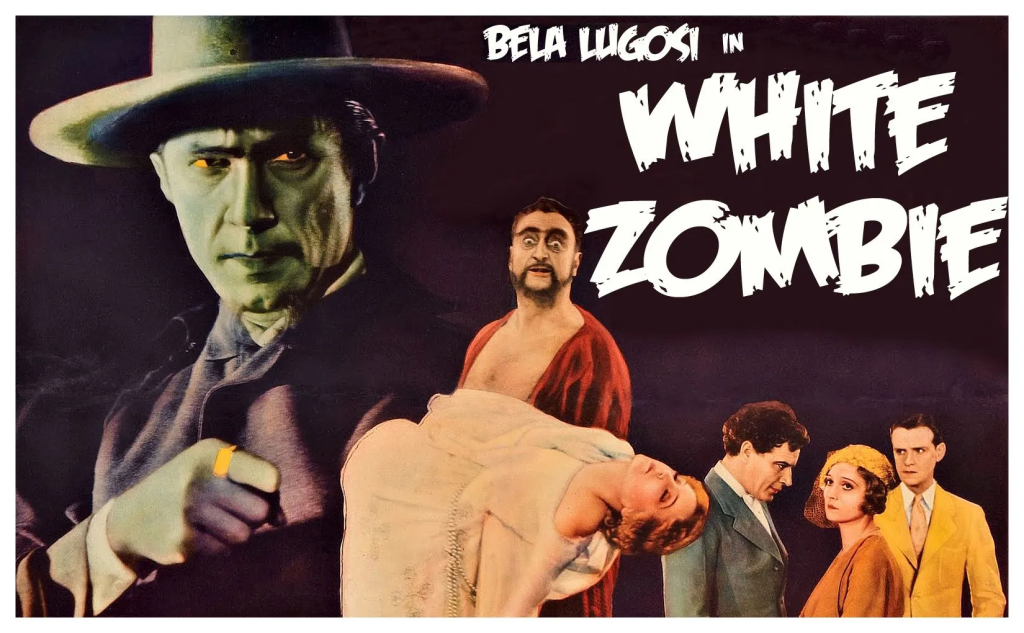
Before the Flesh-Eaters, There Were the Enslaved
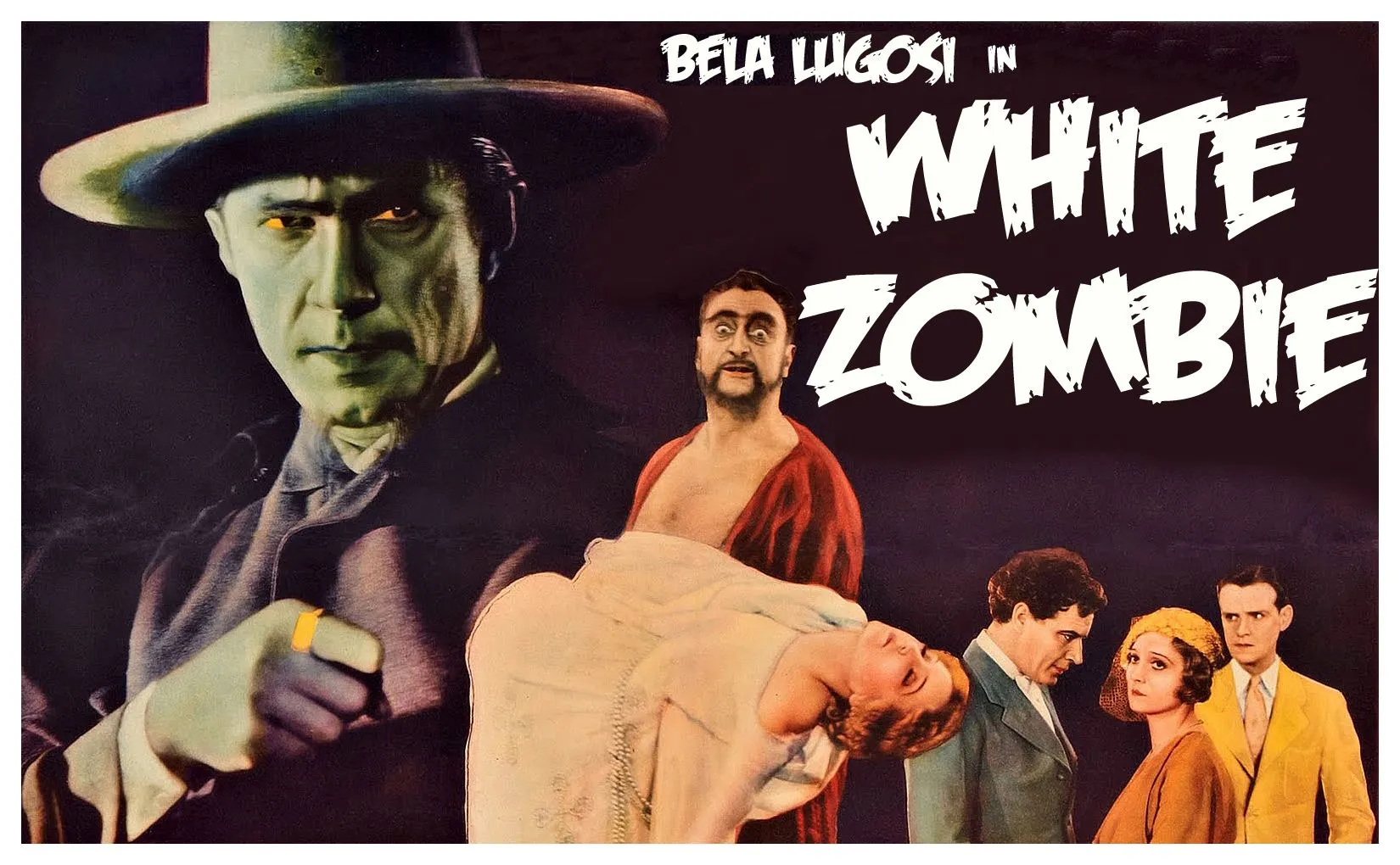
Long before modern zombies shuffled through graveyards or devoured the living, there was White Zombie (1932)—the world’s first feature-length zombie film. Directed by brothers Victor and Edward Halperin and starring horror legend Bela Lugosi, this early horror masterpiece introduced audiences to the eerie concept of the walking dead—not as cannibalistic monsters, but as mindless slaves under the control of a sinister master.
Set in the exotic, superstitious world of colonial Haiti, White Zombie fused gothic atmosphere with voodoo folklore. It’s a hauntingly elegant film, steeped in shadows, obsession, and the fear of losing one’s soul.
The Birth of the Zombie
Released just a year after Dracula (1931), White Zombie gave Bela Lugosi another chance to mesmerize audiences with his signature blend of menace and sophistication. Lugosi plays Murder Legendre, a powerful Haitian sugar mill owner and voodoo master who commands an army of zombies—living corpses enslaved by his dark magic.
When a visiting plantation owner falls in love with a young bride named Madeline, he turns to Legendre for help. The voodoo master agrees to assist—but with a sinister twist. Madeline is transformed into a lifeless zombie, trapped in a state between life and death, her will stolen forever.
Legendre’s control is absolute, and Lugosi’s performance—hypnotic eyes, deliberate movements, and that chilling, calm voice—makes him one of cinema’s most unsettling villains.
A Gothic Dream of Death and Desire
White Zombie feels more like a nightmare than a straightforward horror story. Its sets are misty, its pace hypnotic, and its tone eerily quiet. Shot on a small budget using leftover sets from Dracula and Frankenstein, the film achieves an otherworldly beauty through stark lighting and haunting silence.
The zombies themselves—wide-eyed, slow-moving, and drained of emotion—aren’t violent but deeply disturbing. Their stillness, their empty expressions, and the soundless obedience to Legendre’s commands create a terror rooted in loss of control.
Unlike the flesh-eating hordes of later zombie films, these creatures are symbols of spiritual slavery. They represent the fear of being robbed of autonomy—of becoming a puppet to someone else’s will.
Bela Lugosi’s Hypnotic Power
No one could play a manipulative, magnetic villain quite like Bela Lugosi. As Murder Legendre, he oozes charm and menace in equal measure. With his piercing gaze and calculated calm, Lugosi turns the simple act of raising an eyebrow into a weapon.
One of the film’s most iconic moments comes when he silently commands his zombies to push a man into a mill’s grinding gears—Lugosi’s hand movements perfectly synchronized with the victim’s doomed struggle. It’s pure pre-Code horror magic, shocking and elegant all at once.
The Legacy of White Zombie
Though White Zombie was modestly received upon release, it became a cornerstone of horror history. It laid the foundation for every zombie film that followed—from I Walked with a Zombie (1943) to Night of the Living Dead (1968) and beyond.
Yet the zombies of White Zombie are different. They’re not the ravenous undead of George A. Romero’s nightmares, but victims—bodies robbed of spirit, souls stripped away by dark power. In that sense, White Zombie is less about monsters and more about possession, both literal and psychological.
The film also marked an early example of Hollywood’s fascination with exoticism and voodoo—a fascination both alluring and problematic, reflecting the era’s mix of mystique and misunderstanding about Haitian culture.
Why It Still Matters
Nearly a century later, White Zombie remains a hypnotic relic of early horror cinema. Its slow rhythm, eerie stillness, and haunting imagery give it the feeling of a dream—or a curse—from another world.
And at its center stands Bela Lugosi, the master of the undead, whose gaze could enslave the living and whose voice could command the grave.
As part of our October Monster Mash, White Zombie reminds us that before zombies became hordes of flesh-eaters, they were souls trapped in silence, victims of control, and symbols of humanity’s deepest fear—the loss of free will.
So when you hear a whisper in the dark this October, or feel the faint chill of unseen eyes upon you, remember Murder Legendre’s words:
“They are not men… they are my slaves.”
And beware—because in the world of White Zombie, death is only the beginning.