Putt-Putt Pandemonium: When America Lost Its Mind Over Mini Golf
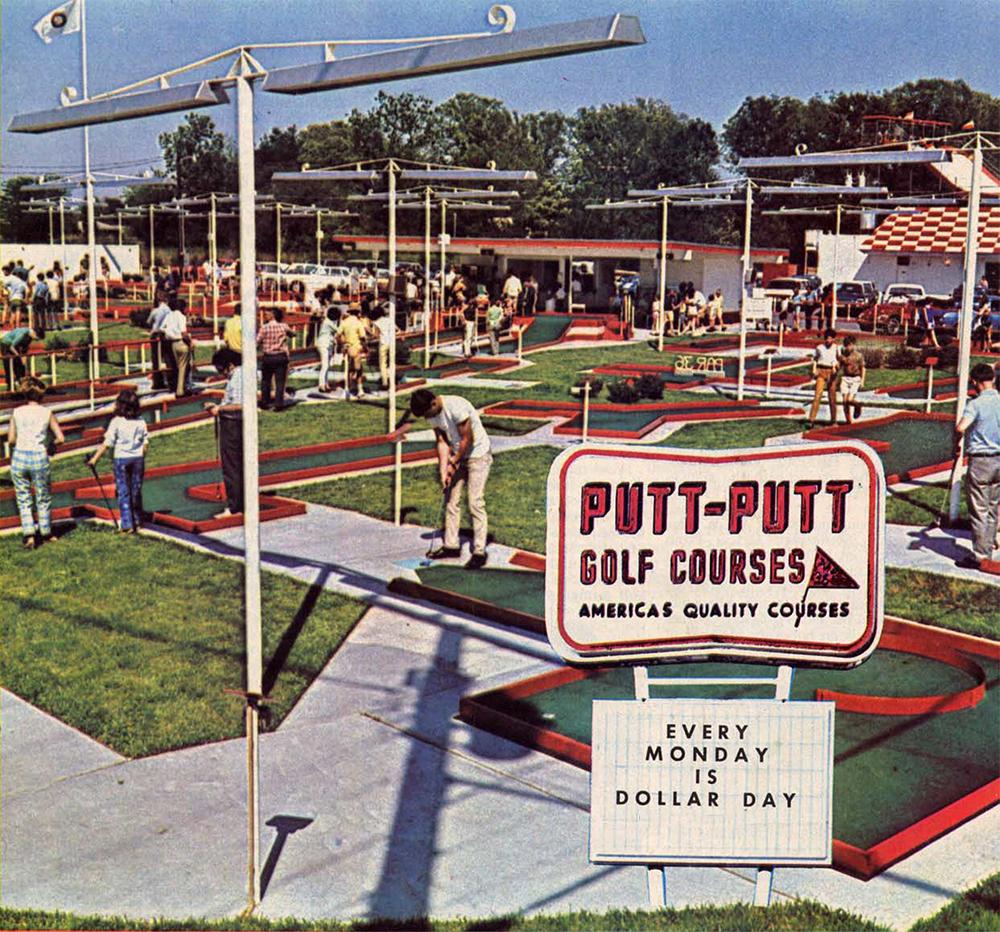
The phenomenon traces back to Don Clayton, who founded Putt-Putt Golf Courses of America in 1954 in Fayetteville, North Carolina.
Clayton wasn’t impressed with the goofy windmills and gimmicks of early mini-golf. He wanted something different—a skill-based game.
So he built:
- Standardized holes (every one par-2)
- Smooth carpet for consistent ball roll
- Bank shots using aluminum rails
- A system where every hole could be aced with skill
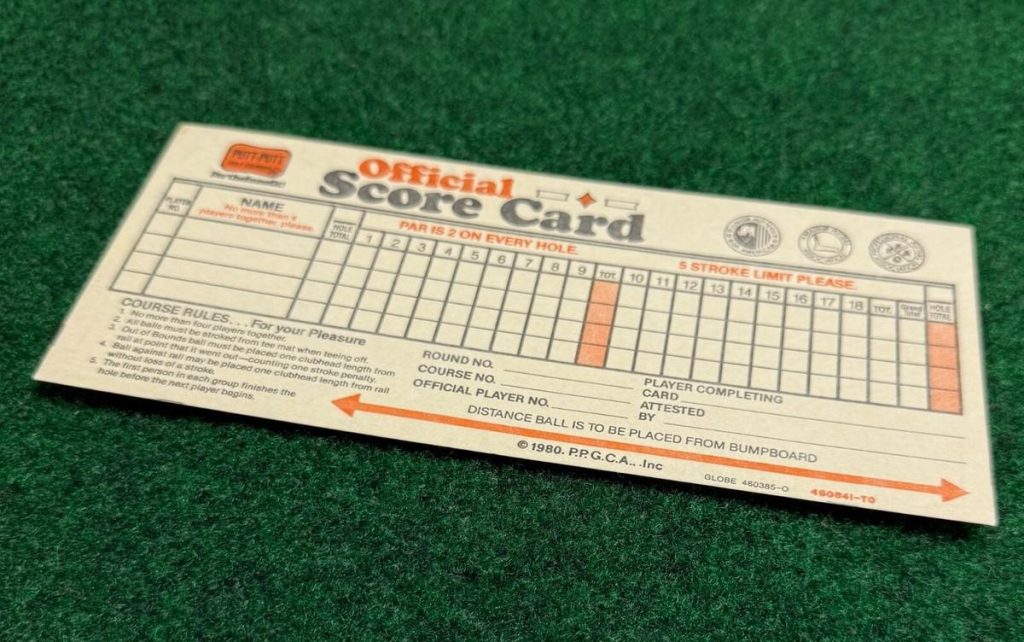
It was mini-golf… but treated like a serious sport.
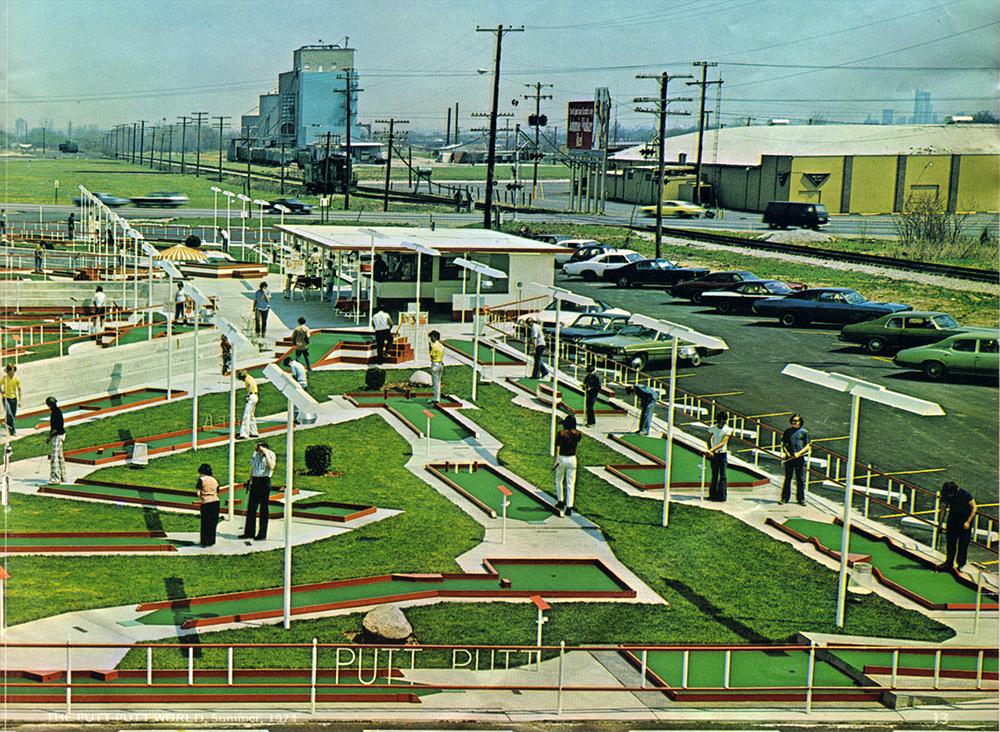
By the time the 1980s rolled around, Putt-Putt had evolved from simple courses into full-blown entertainment hubs.
What fueled the explosion:
- Franchising boom: Hundreds of locations across the U.S.
- Family entertainment centers: Arcades, batting cages, go-karts, bumper boats
- Low-cost fun: Still one of the cheapest nights out for families
- TV & competition: The Professional Putters Association (also founded by Clayton) even ran televised events
By the ‘80s and early ‘90s, Putt-Putt wasn’t just golf—it was:
Birthday parties, first dates, Little League hangouts, and neon-lit summer nights.
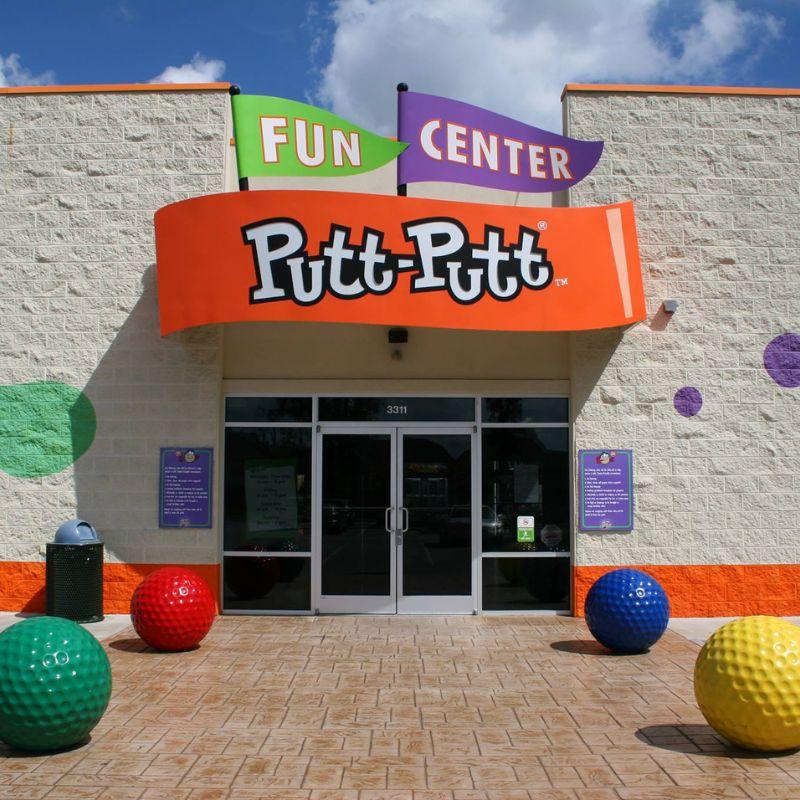
The Secret Sauce: Skill Over Gimmicks
Unlike carnival-style mini-golf, Putt-Putt stripped away the chaos and focused on precision. There were no spinning windmills to knock your ball off course, no unpredictable gimmicks, and no “luck-based” holes. Every shot came down to clean angles, controlled speed, and understanding the layout—pure geometry in action.
That approach gave Putt-Putt a completely different identity. It wasn’t just a casual pastime; it appealed to both laid-back players and serious competitors. In fact, the emphasis on skill helped create a legitimate tournament scene, complete with organized play and prize money.
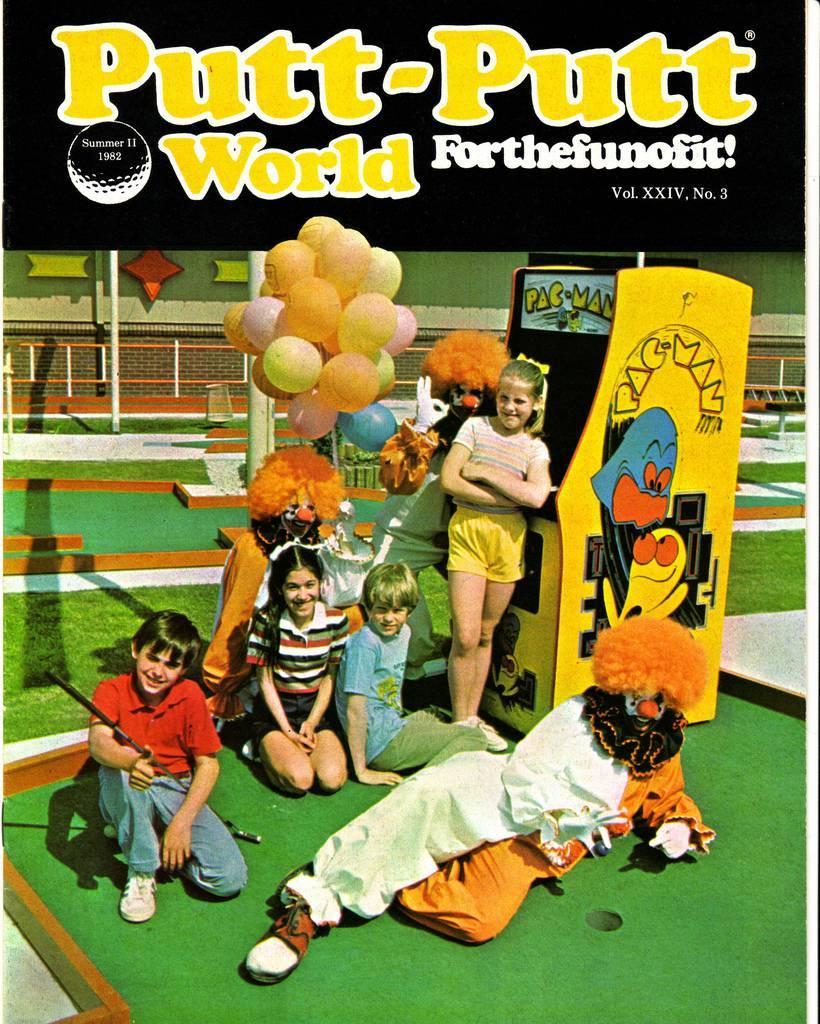
Even decades later, the influence of Putt-Putt is still everywhere. You can see its DNA in modern mini-golf chains, competitive putting circuits, and large-scale family entertainment centers.
And the name itself? “Putt-putt” became so iconic that people started using it as a generic term for mini-golf—even though it began as a specific branded concept.