Rudy Obrero: The Hidden Force Behind Masters of the Universe’s Iconic Look
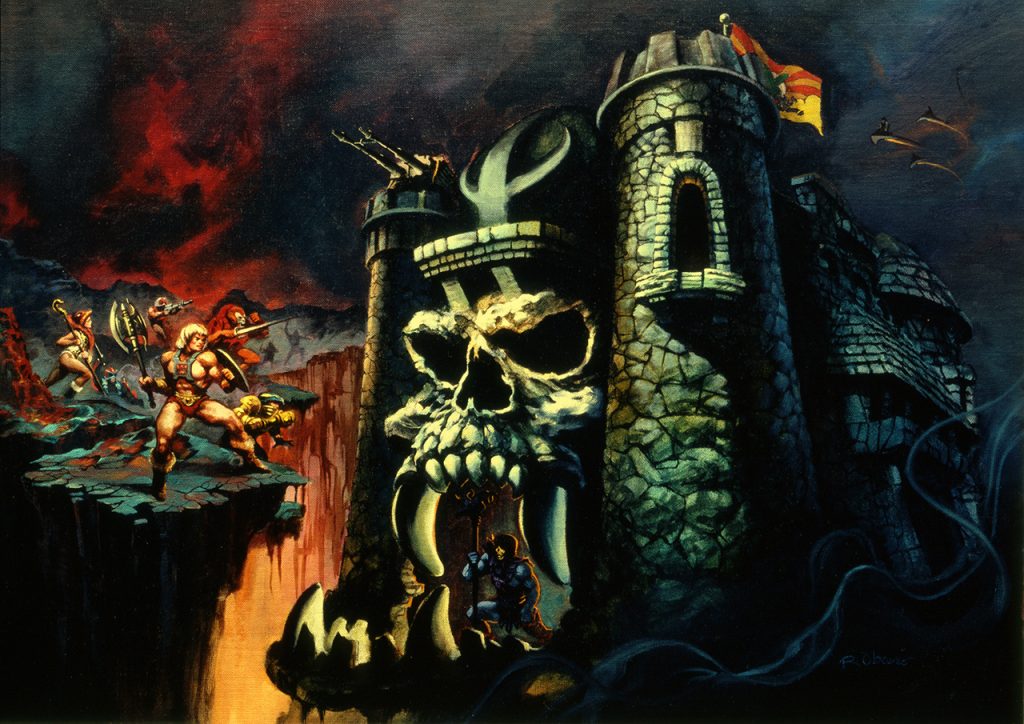
When we think of Masters of the Universe — He-Man, Skeletor, Castle Grayskull, and Battle Cat — most fans immediately imagine bold characters and dynamic poses. But long before cartoons or comics brought Eternia to life, it was the artistry on the packaging itself that captured imaginations on toy aisles worldwide. At the heart of that visual magic was a singular illustrator: Rudy Obrero.
From Humble Beginnings to High-Drama Fantasy
Rudy Obrero wasn’t born into the toy art world, nor did he dream of He-Man as a child. He was born in 1949 and raised in Kaneohe, Hawaii, where early artistic interests lay dormant until adulthood. It was during his service in the U.S. Air Force that Obrero first picked up drawing seriously, sketching to fill the long hours away from home. Eventually, he pursued formal art education, earning a BFA from the prestigious Art Center College of Design in Los Angeles.
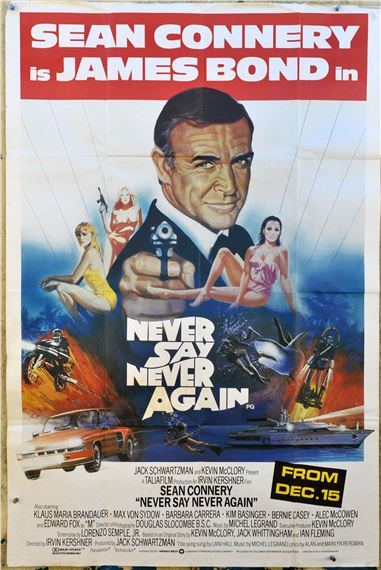
Before Masters of the Universe, Obrero’s professional illustration work ran the gamut — from dramatic movie posters like Never Say Never Again (a James Bond film) to commercial assignments. But his moment in toy history came through a blend of opportunity and serendipity. Mattel’s art director Mark Taylor was inspired by the bold fantasy visuals of artists like Frank Frazetta and wanted that heroic feeling on the new Masters packaging. Unable to secure Frazetta himself, they turned to Obrero, whose style could channel that same energy while still being his own.
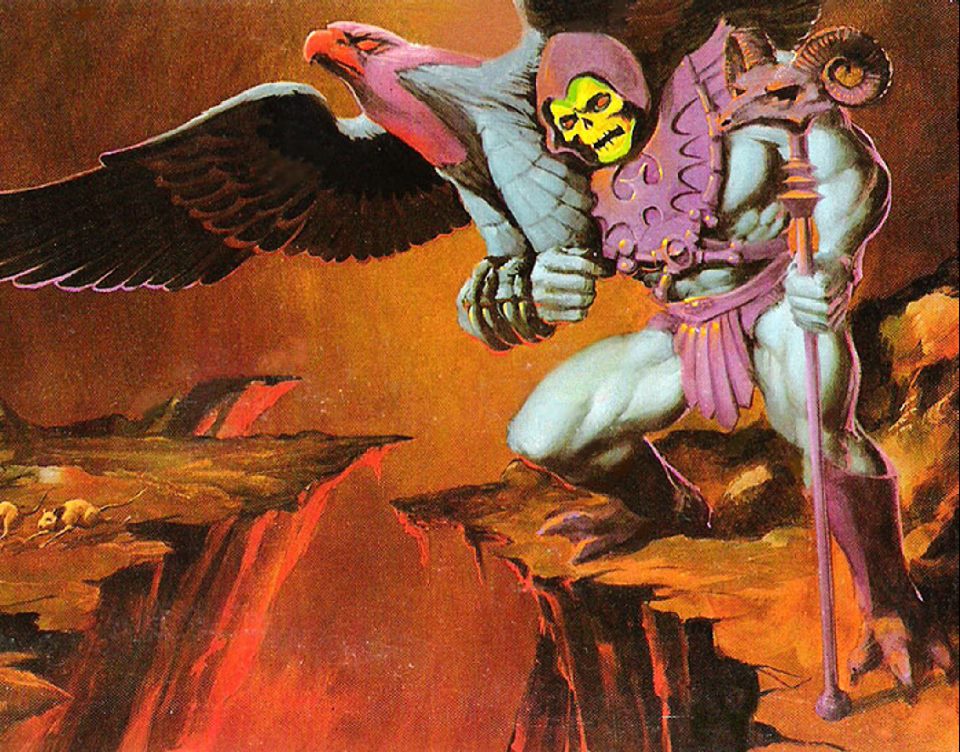
Defining the Visual Language of Eternia
In 1982, Masters of the Universe exploded onto the toy scene. As one of the first illustrators brought onto the project, Obrero was entrusted with some of the line’s most iconic packaging art. This included early classic pieces like the original Battle Cat box illustration — reportedly the very first piece of MOTU box art ever produced — the meditative but foreboding Castle Grayskull playset painting, and dynamic scenes for vehicles like the Wind Raider and Battle Ram.
What set Obrero’s work apart wasn’t just technical skill — it was ambition. He treated toy box art not as mere decoration, but as narrative portals into Eternia. His compositions blended muscular figures, sweeping fantasy landscapes, and dramatic lighting reminiscent of classic pulp fantasy art. The result? A sense of mythic scale and adventure that resonated with kids and collectors alike. Many fans have said that the art sold the universe before the story or cartoon ever did — and that’s no exaggeration.
A significant part of Obrero’s contribution lies in how he visualized the conflict between good and evil. He captured He-Man’s heroic stance against impossible odds and Skeletor’s looming menace with just a brush and palette. Even today, decades later, collectors and fans mourn that original packaging era as the golden age of MOTU art — in no small part because Obrero’s pieces were more fantasy paintings than toy boxes.
Collaboration and Legacy
Obrero’s work didn’t exist in a vacuum. He collaborated closely with other designers and artists — from Mark Taylor’s early layouts to Errol McCarthy’s dynamic cardback scenes — helping to unify the line’s visual identity from front to back. But within that collaborative framework, Obrero’s signature was unmistakable: vibrant energy, physicality, and storytelling baked into every scene.
Interestingly, Masters of the Universe nearly had a different name (“Lords of Power”), and its artwork could have taken a dramatically different direction. But once Masters was greenlit, Obrero and his colleagues were given the creative latitude to bring a kind of sword-and-sorcery aesthetic to toy retail aisles — an aesthetic that fused high fantasy with blockbuster appeal.
While Obrero’s direct involvement with the original line was relatively brief — primarily centered around the 1982-83 launch — his work became the visual cornerstone of the brand’s initial success, inspiring later reinterpretations in comics, animation, and collector lines. His early contributions are often celebrated in MOTU art books, gallery shows, and collector portfolios — a testament to their lasting impact.
Why Rudy Obrero Still Matters
In the annals of toy history, few artists have influenced the emotional tone of a franchise like Rudy Obrero did for Masters of the Universe. His evocative packaging paintings helped transform a line of plastic figures into a mythos — one that thrived in the imaginations of kids in the 1980s and continues to captivate new generations today. Whether you’re a lifelong fan or a newcomer discovering Eternia for the first time, Obrero’s work remains a high-water mark of fantasy illustration in pop culture.