She-Ra and the Strength of Compassion
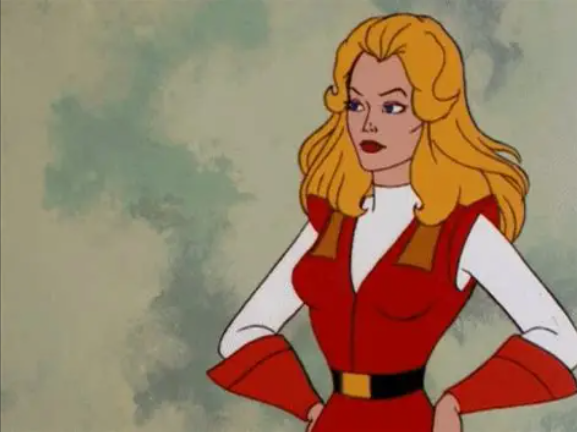
The 1980s gave us plenty of heroes who charged into battle with swords raised, fists clenched, and theme music blasting through the living room like Saturday morning had declared war on boredom.
But She-Ra was different.
Yes, she had the sword.
Yes, she had the strength.
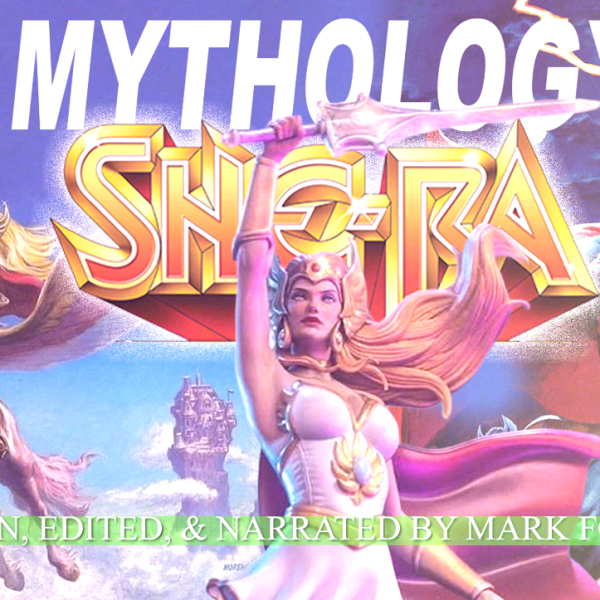
Yes, she had the glowing transformation, the flying horse, the magical destiny, and the power to stand against evil with the kind of confidence that made every kid believe anything was possible before breakfast.
But She-Ra’s true strength was never just physical.
It was compassion.
That is what made Princess Adora such a powerful hero. She was not simply a female version of He-Man. She was not just a warrior with a different costume and a different kingdom. She had her own story, her own pain, her own burden, and her own reason to fight.
Adora’s journey began with a hard truth.
She had been raised by the Horde.
That detail matters. She-Ra was not a hero who simply appeared fully formed, already standing on the side of good. Adora had to wake up. She had to discover that the world she had been taught to serve was hurting people. She had to face the fact that the system around her was wrong, and then she had to choose to leave it.
That choice made her heroic before she ever raised the sword.
Because compassion often begins with seeing clearly.
Adora could have ignored the suffering around her. She could have stayed comfortable. She could have accepted what she had been told and continued serving the Horde. But once she saw the truth, she could not unsee it. She chose the Rebellion. She chose Etheria. She chose the people who needed protecting.
That is not weakness.
That is courage.
She-Ra: Princess of Power gave 80s kids something special. It gave them a hero whose strength was tied directly to empathy. She-Ra fought villains, monsters, soldiers, and dark magic, but her mission was never about conquest. It was about liberation. It was about protecting the innocent. It was about standing with people who had been trapped, bullied, or controlled by a cruel empire.
That made her battles feel bigger than sword fights.
Hordak and the Evil Horde represented domination. They wanted obedience. They wanted fear. They wanted an entire world bent under their control. She-Ra stood against that, not because she wanted power for herself, but because she believed people deserved freedom.
That belief is the heart of compassion.
Real compassion is not just feeling sorry for someone. It is being moved enough to act. She-Ra cared, and because she cared, she fought. She did not fight because she loved violence. She fought because kindness sometimes has to put on armor and stand in the doorway.
That is one of the most important lessons of the character.
Compassion is not passive.
It is active. It moves. It protects. It rescues. It refuses to look away. She-Ra showed that a kind heart could still be fierce. She could be gentle with the frightened, loyal to her friends, and absolutely unshakable when facing evil.
For 80s kids, that mattered.
She-Ra proved that strength did not belong to one kind of hero. She opened the gates wider. Girls could see themselves in a fantasy warrior who was powerful, noble, and central to the story. Boys could see that courage and kindness were not separated by gender. Everyone could understand that heroism was not just about being the strongest person in the room.
It was about using strength for others.
That is why Adora’s transformation has so much meaning. When she becomes She-Ra, she is not escaping who she is. She is becoming the fullest version of herself. The sword reveals what was already inside her: bravery, honor, love, and the willingness to fight for a better world.
That idea is beautiful.
Because so much of growing up is about discovering who you are beneath what the world told you to be. Adora was told she belonged to the Horde. She was told to obey. She was told who the enemy was. But the truth inside her was stronger than the lies around her.
That is hope.
Hope says your past does not have to own you.
Hope says what you were taught is not always who you have to become.
Hope says you can choose a better side, even after years of standing on the wrong one.
She-Ra’s compassion extended to her friends too. The Great Rebellion was not just a group of fighters. It was a found family. Glimmer, Bow, Madame Razz, Kowl, and the other rebels gave the story warmth, humor, and heart. They reminded us that even magical warriors need people beside them.
No one liberates a world alone.
That theme connected She-Ra to so many great 80s stories, but with her own special flavor. She-Ra did not simply defeat evil. She inspired people to believe they were not powerless. That is leadership. That is kindness. That is the kind of strength that multiplies itself.
Swift Wind added another layer of magic, of course. Because what is an 80s fantasy hero without a magnificent flying horse? But even that relationship worked because it was based on loyalty and trust. She-Ra’s world was full of wonder, but the emotional core stayed grounded in friendship.
That is why the character still matters.
In a world that often mistakes compassion for weakness, She-Ra reminds us that caring can be one of the bravest things a person does. It is easy to become numb. It is easy to accept cruelty as normal. It is easy to tell yourself someone else will help.
She-Ra did not do that.
She saw suffering and stepped forward.
That is the lesson.
The strongest people are not always the ones who hit hardest. Sometimes they are the ones who refuse to become cold. The ones who keep believing people are worth saving. The ones who remember that freedom matters, kindness matters, and the vulnerable deserve defenders.
She-Ra was powerful because she could fight.
But she was heroic because she cared why she was fighting.
That is what separates a warrior from a protector. A warrior can win battles. A protector knows what the battles are for.
Adora knew.
She fought for Etheria. She fought for her friends. She fought for people who had been told they had no chance. She fought because the Horde’s darkness was not the final word.
And for every kid watching, that meant something.
Maybe the world was bigger and scarier than we understood. Maybe bullies existed. Maybe unfairness existed. Maybe people in power did not always do the right thing. But She-Ra gave us a picture of courage that was bright, bold, and compassionate.
She showed us that you could be strong without being cruel.
You could be kind without being helpless.
You could come from a painful past and still choose the light.
That is why She-Ra belongs in the great hall of 1980s heroes. Not because she had a sword. Not because she had a castle, a horse, or a transformation sequence that could make the room glow.
But because she taught us that compassion is not something heroes carry after the battle.
It is the reason they pick up the sword in the first place.