Skeletor: From Bonehead to Pop Culture Icon – The Untold Legacy of Eternia’s Favorite Fiend
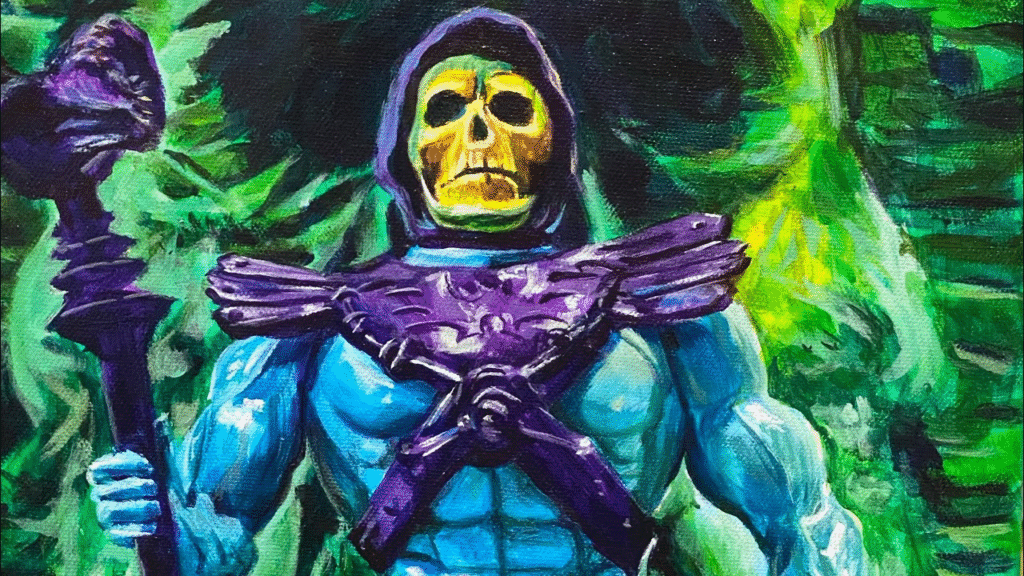
Since his debut in 1981, Skeletor has transcended his role as He-Man’s arch-nemesis to become a cultural icon. With his distinctive skull face, cackling laugh, and relentless ambition, Skeletor has captivated audiences for over four decades. Let’s delve into some lesser-known facets of this villainous character and explore why he remains a fan favorite today.
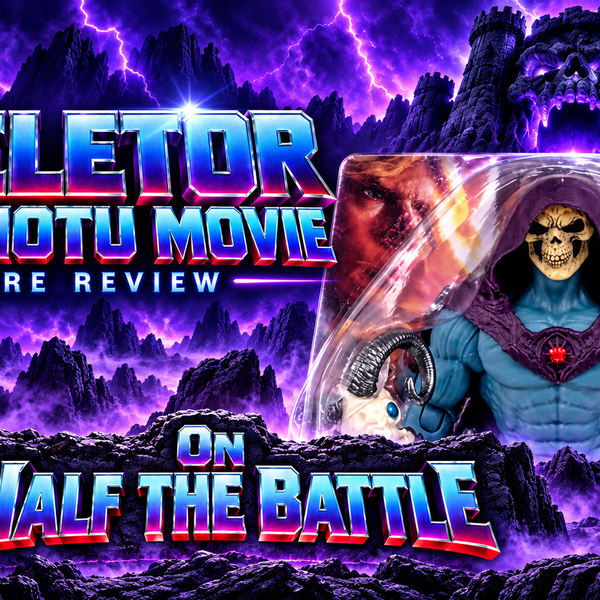
Skeletor’s journey began with the original 1982 Masters of the Universe action figure line. The figure featured a blue-skinned body, a purple hood, and a Havoc Staff topped with a ram’s skull. Interestingly, the initial design included a half-sword that could combine with He-Man’s to form the complete Power Sword, a concept introduced to encourage kids to collect both figures. Some early versions of the figure had “half boots,” where only the front half of the boots were painted, making them rare collector’s items today. A mint-condition “8-back” Skeletor, named for the eight characters displayed on the packaging’s back, can fetch upwards of $11,000 .
While the 1980s cartoon portrayed Skeletor as a native of Eternia, the original mini-comics that accompanied the action figures told a different story. In these early narratives, Skeletor hailed from another dimension, seeking to conquer Eternia by unlocking the secrets of Castle Grayskull. This origin added a layer of mystique to the character, suggesting a broader universe beyond Eternia .
Keldor: The Man Behind the Skull
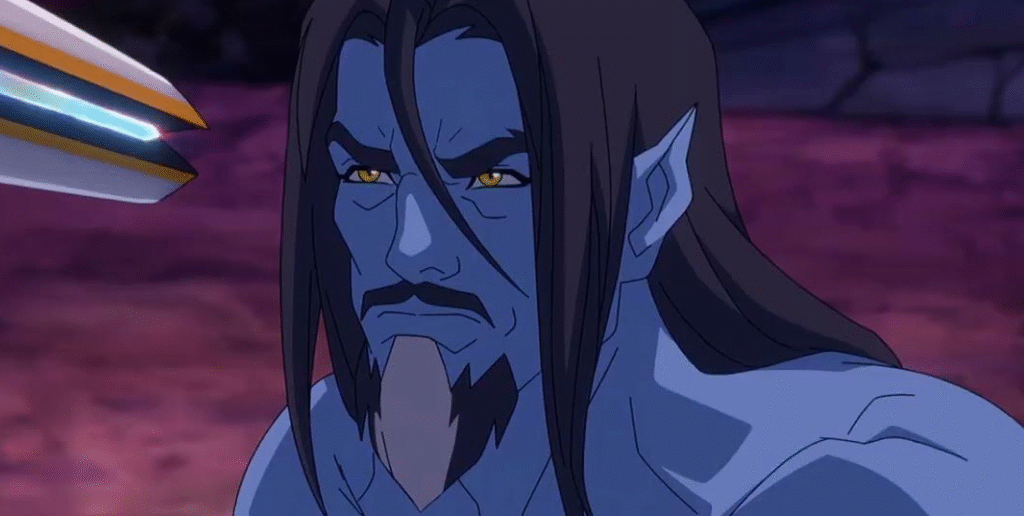
The 1986 minicomic “The Search for Keldor” introduced the idea that Skeletor was once Keldor, King Randor’s half-brother. This revelation added depth to Skeletor’s character, transforming him from a generic villain to a tragic figure consumed by his quest for power. Though the original toyline ended before this storyline could be fully explored, subsequent adaptations have embraced this backstory, enriching the lore of the Masters of the Universe universe .
Despite his evil persona, Skeletor has occasionally shown a softer side. In the 1985 “He-Man and She-Ra: A Christmas Special,” he begrudgingly helps two lost Earth children and even warms up to their pet, Relay. These moments of reluctant kindness add complexity to his character, making him more than just a one-dimensional villain .
In recent years, Skeletor has experienced a resurgence in popularity, thanks in part to internet memes. Images of Skeletor paired with humorous or inspirational captions have gone viral, introducing the character to a new generation. These memes often juxtapose his menacing appearance with lighthearted messages, highlighting the character’s enduring appeal and versatility .
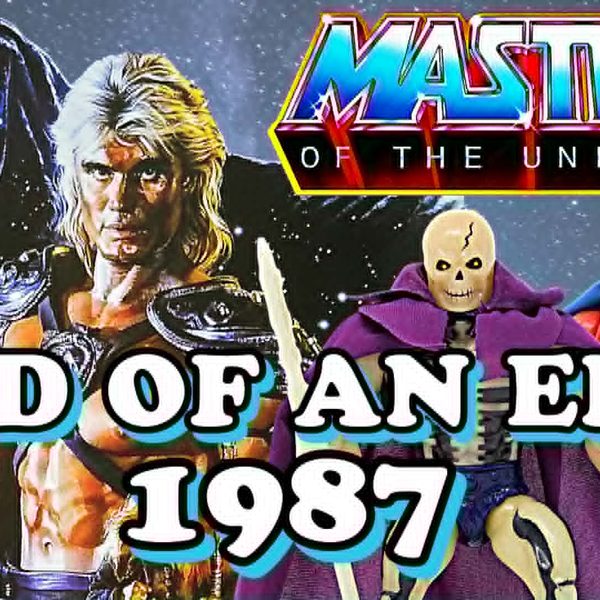
Skeletor’s influence extends beyond toys and television. In 1987, Frank Langella portrayed the villain in a live-action “Masters of the Universe” film. More recently, Jared Leto has been cast as Skeletor in an upcoming live-action adaptation set to release in 2026. This casting choice underscores Skeletor’s lasting impact and the continued interest in exploring his character in new mediums .