31 Days of Halloween: The Disturbing Psychological Horror of Possession (1981)
As we continue our 31 Days of Halloween retrospectives, we take a deep dive into the eerie and unsettling world of the 1981 horror classic, “Possession.” Directed by Andrzej Żuławski, this film stands apart from the standard horror fare of the 1980s. With its disturbing blend of psychological breakdowns, monstrous imagery, and intense performances, Possession is not just a horror film—it’s a raw exploration of human relationships, madness, and the darker side of love.
A Disturbing Plot of Emotional and Physical Terror
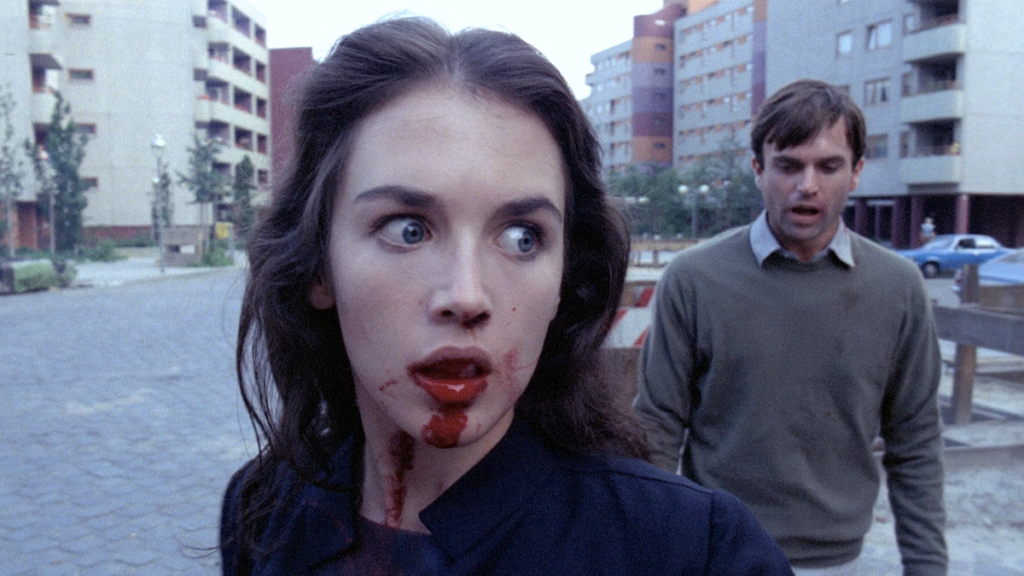
At its core, “Possession” is about the disintegration of a marriage. The film follows Mark (played by Sam Neill) and Anna (portrayed by Isabelle Adjani) as their relationship crumbles under the weight of Anna’s erratic behavior and infidelity. What starts as a domestic drama soon spirals into a nightmarish descent into madness. Mark becomes obsessed with uncovering the truth behind Anna’s strange actions, only to discover that she is having an affair with a bizarre, tentacled creature that is born out of her fractured psyche.
The film masterfully blends psychological horror with grotesque imagery. Anna’s mental collapse is not just metaphorical but physical, as she gives birth to something inhuman in a notorious subway scene. This sequence, in which Anna thrashes violently and hemorrhages, is one of the most shocking and iconic moments in horror cinema, leaving audiences questioning the nature of her possession—is it demonic, psychological, or both?
A Deep Dive into Madness and Metaphor
Unlike most horror films of the 1980s, Possession eschews traditional horror tropes. It is a film that relies more on atmosphere, performance, and emotional horror than on jump scares or monsters. At its heart, Possession is a metaphor for the agonizing dissolution of a marriage, the intense emotional turmoil that follows, and the consequences of unresolved trauma. Żuławski drew from his own experiences during his tumultuous divorce, creating a film that feels both deeply personal and universally terrifying.
The dual performances by Isabelle Adjani and Sam Neill are remarkable. Adjani’s portrayal of a woman slowly losing her grip on reality won her the Best Actress award at the Cannes Film Festival, and it’s easy to see why. She fully commits to Anna’s madness, from her moments of calm to her explosive, violent outbursts. Neill’s Mark is equally compelling, capturing the emotional devastation of a man watching the woman he loves transform into something he no longer understands.
Body Horror Meets Psychological Terror
In Possession, the horror is both visceral and cerebral. The monster that Anna births and nurtures is a physical manifestation of her inner turmoil. The film doesn’t offer clear answers, leaving viewers to interpret its many layers. Is the creature a product of Anna’s infidelity? Is it the embodiment of her repressed desires? Or is it a literal demon feeding off the destruction of her marriage? Żuławski masterfully blurs the lines between reality and delusion, making Possession a film that lingers long after the credits roll.
A Legacy of Disturbing Greatness
While Possession was initially met with controversy and even banned in some countries due to its graphic content, it has since gained a loyal cult following. Its blend of art-house cinema, psychological horror, and body horror makes it a unique entry in 1980s horror, standing out among its contemporaries for its sheer audacity and emotional depth.
For those who appreciate horror that goes beyond the surface, Possession is a must-watch. It’s a film that explores the darkest recesses of the human mind and the monstrous consequences of emotional neglect and personal failure. Whether you interpret it as a literal possession or a metaphor for psychological collapse, Possession remains one of the most thought-provoking and disturbing horror films of its time.