
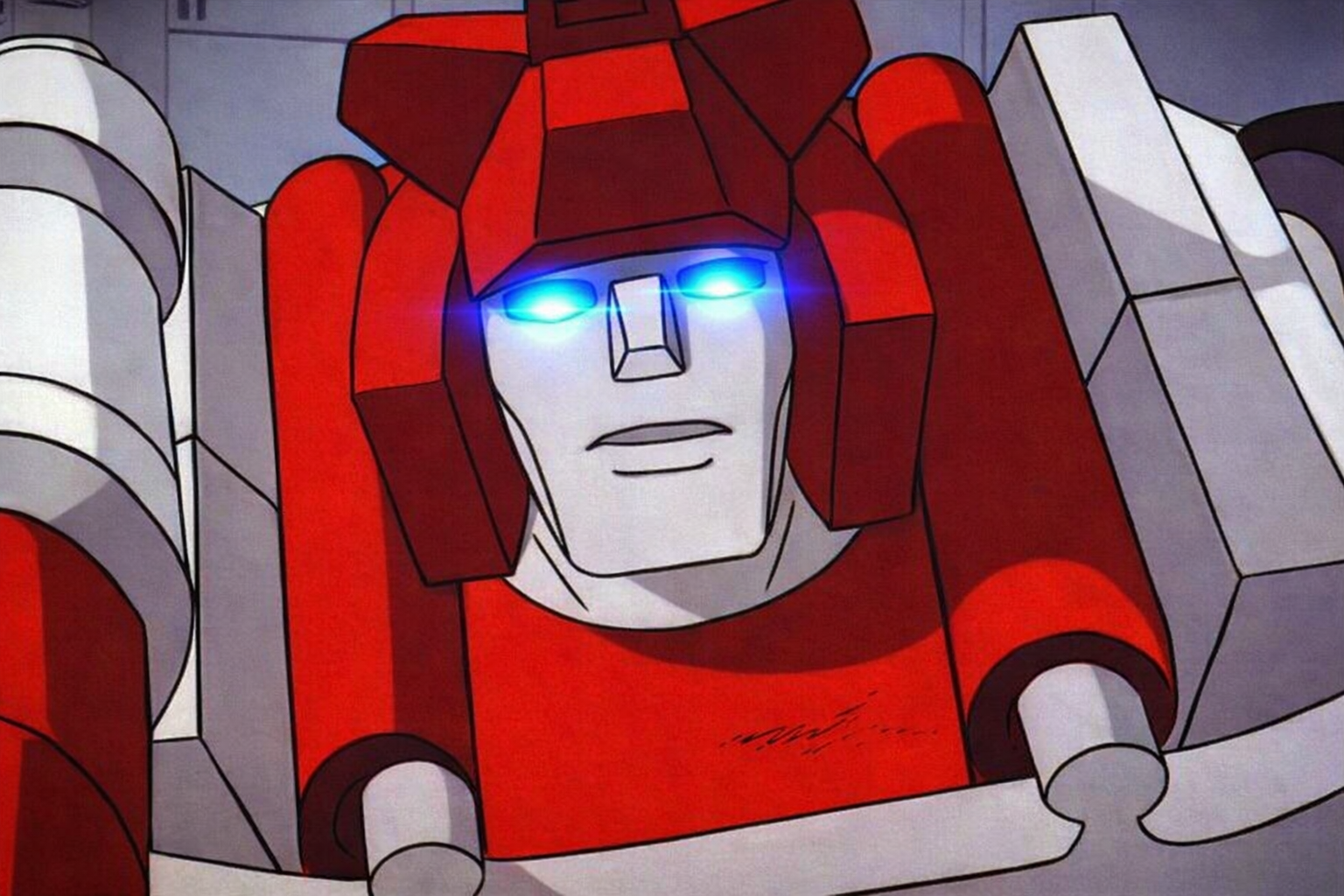
Sirens in the Night: Red Alert and the Cost of Always Being Ready
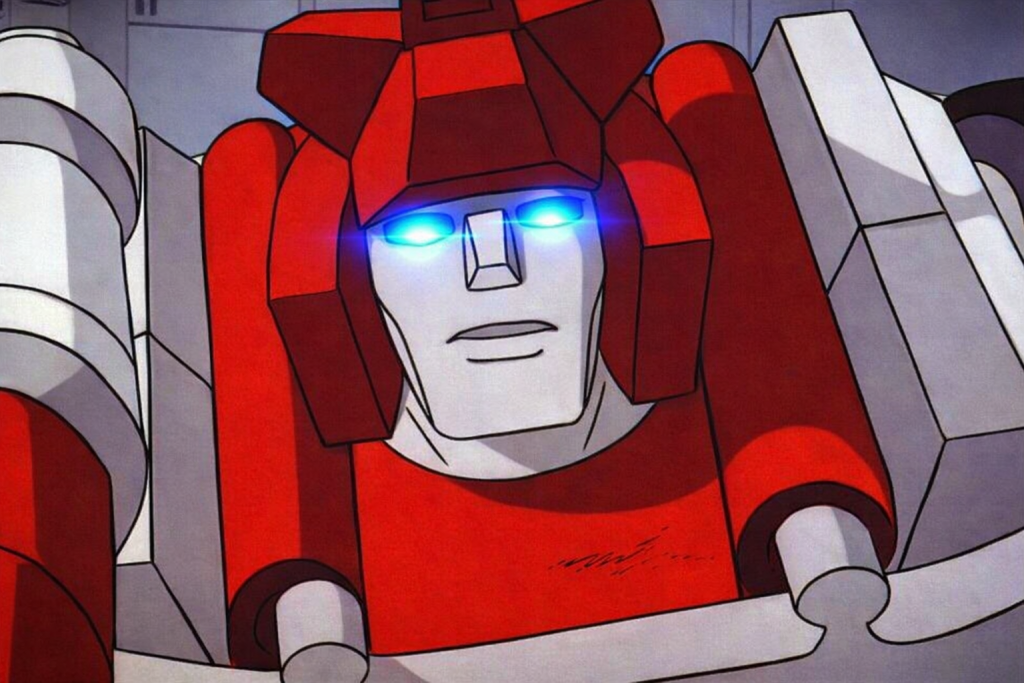
If you hear the alarm before you see him—it’s already too late to relax.
That’s Red Alert.
Among the heroic Autobots of The Transformers and the pages of Marvel’s Transformers comics, Red Alert stands apart—not because he’s the strongest, fastest, or most famous—but because he’s the most vigilant. In fact, sometimes… a little too vigilant.
Red Alert transforms into a sleek emergency vehicle—often depicted as a fire chief’s car or rescue vehicle—complete with flashing lights and a blaring siren. But those alarms aren’t just for show. They’re a reflection of who he is at his core: a security director obsessed with protecting the Autobot base from any and all threats.
And in a war against the Decepticons, that’s not exactly a bad thing.
In the Sunbow cartoon, Red Alert is introduced as the Autobots’ head of security. His job is simple in theory—keep everyone safe—but in practice, it becomes something much more complicated. Red Alert doesn’t just prepare for danger… he expects it at every moment. Every shadow could hide a Decepticon.
Every malfunction could be sabotage.
And sometimes, he’s right.
But sometimes… he’s not.
One of Red Alert’s most memorable traits is his paranoia. He constantly upgrades security systems, installs new defenses, and questions everything. To his fellow Autobots, this can be exhausting. Characters like Optimus Prime value readiness—but they also trust their allies. Red Alert, on the other hand, struggles with that trust.
In several episodes, his fears spiral out of control, leading to false alarms and strained relationships. But here’s what makes Red Alert compelling—his paranoia isn’t played just for laughs. It’s rooted in the reality of war. The Autobots are constantly under threat, and Red Alert carries that weight more heavily than most.
He’s the guy who never sleeps easy.
Over in the Marvel comics, Red Alert’s characterization often leans even further into that tension. The comics explore the psychological toll of the Autobot-Decepticon war in deeper ways, and Red Alert becomes a reflection of that stress. He’s not just a security officer—he’s a soldier trying to hold things together while expecting everything to fall apart.
And that makes him incredibly human… despite being a robot.
He’s not fearless like Optimus Prime. He’s not brash like Hot Rod. He doesn’t crack jokes like Jazz. Instead, Red Alert represents anxiety, responsibility, and the burden of always being “on.”
But don’t mistake that for weakness.
When danger strikes, Red Alert is often the first to respond and the last to back down. His instincts, sharpened by constant vigilance, make him a critical asset in battle. The same traits that cause friction among his teammates are the ones that save them when it counts.
Because when everyone else is caught off guard…
Red Alert isn’t.
He’s already sounding the alarm.
In the end, Red Alert’s story is about balance. The line between caution and paranoia. Between preparation and obsession. He reminds us that being ready is important—but so is knowing when to stand down.
Still, if you were building a team in the middle of a war, you’d want someone like Red Alert watching your back.
Even if he never lets you forget it.

It’s a really interesting point about Red Alert being overly cautious. The constant readiness definitely has a price, doesn’t it?