
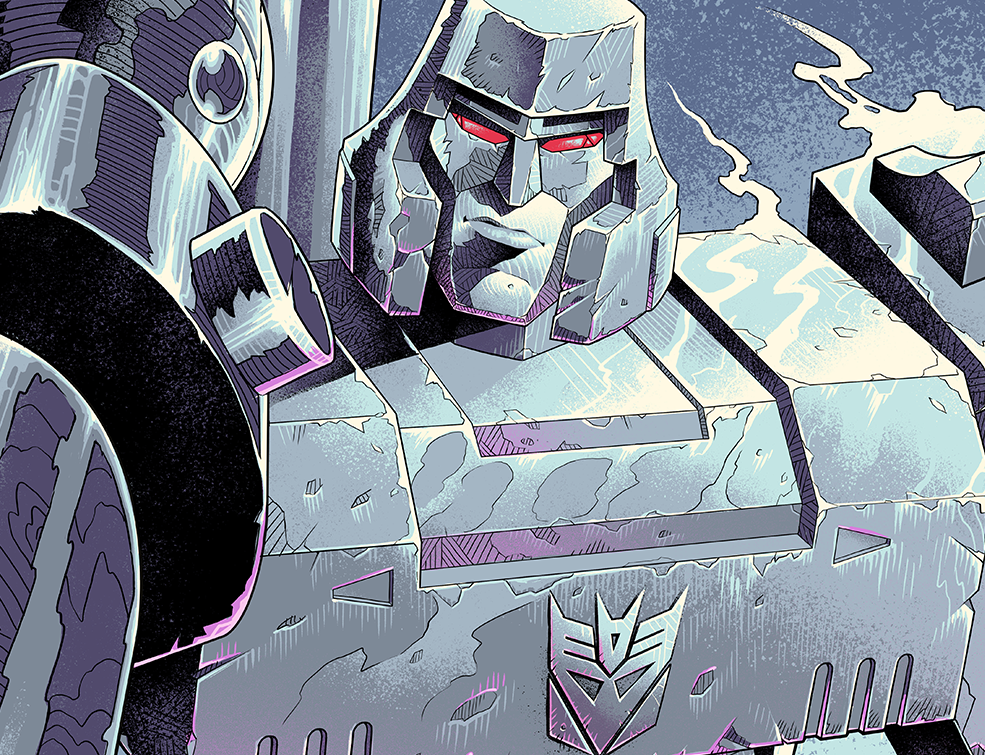
He Started as a Gun in Japan and Became a Legend: Why Megatron Still Rules After 40 Years
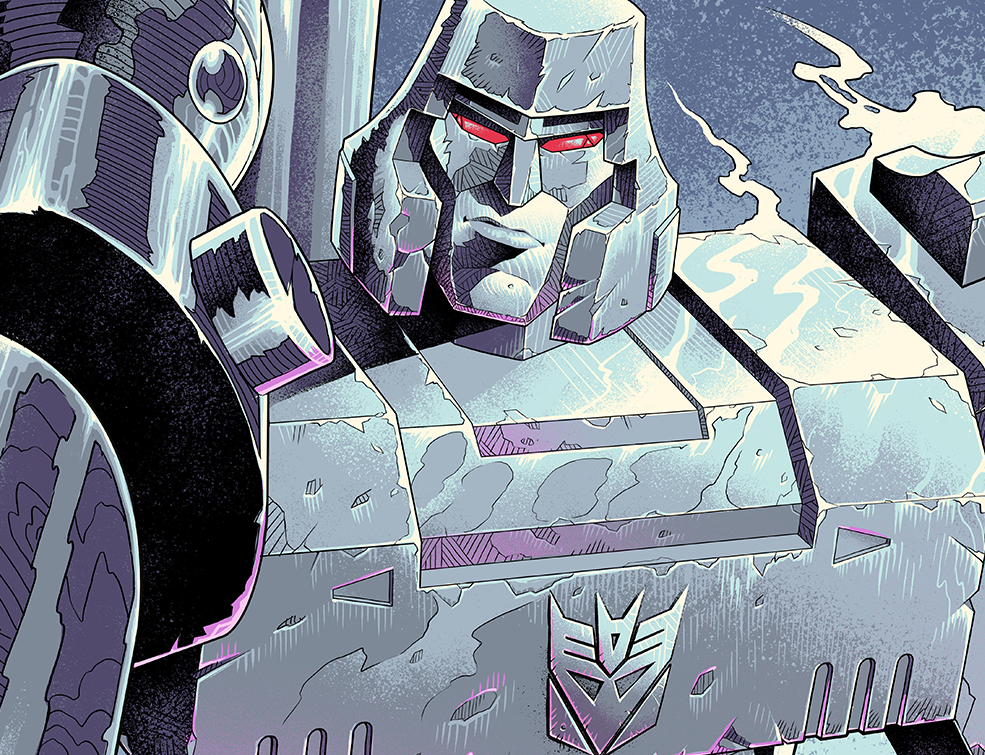
Megatron’s story begins in Japan, before most American kids ever heard the name “Decepticon.” His physical roots trace back to Takara’s Microman/Micro Change line, where the mold that would become Megatron appeared as a transforming Walther P38-style “Gun Robo” toy. In other words, before he was the tyrant of Cybertron, he was already a striking piece of Japanese toy design: sleek, mechanical, dangerous-looking, and unlike anything else on the shelf. Takara’s creative teams helped establish the visual power of the character long before his personality was fully defined for Western audiences.
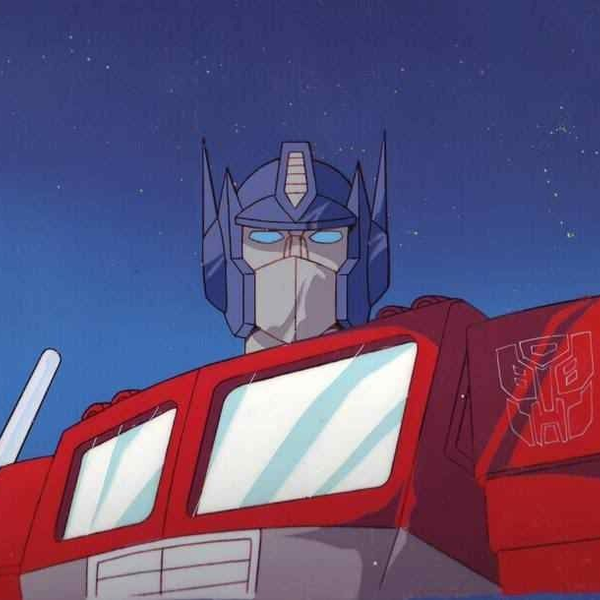
When Hasbro partnered with Takara and launched Transformers in the United States in 1984, Megatron was the perfect villain to stand opposite Optimus Prime. The toy already looked intimidating, but the American cartoon and comics gave him identity, ambition, and attitude. In the original Marvel comic, Megatron arrived as a ruthless conqueror, obsessed with power and domination. In the Sunbow cartoon, which premiered on September 17, 1984, he became even bigger: theatrical, cruel, cunning, and endlessly confident, even when his plans blew up in his face. That combination made him memorable. Megatron was not just evil; he was charismatic evil, the kind of villain who could bark orders, threaten Starscream, and still steal the scene every time he appeared.
A huge reason Megatron became iconic is Frank Welker. Plenty of characters have great designs. Plenty have strong writing. But Megatron had a voice that sounded like sharpened steel. Welker’s performance gave the character menace, arrogance, and a cold fury that instantly told viewers this was the most dangerous robot in the room. His delivery was harsh, commanding, and strangely elegant at the same time. For many fans, Megatron is Frank Welker, period. The voice is so tied to the character that every later version is measured against that original performance. Even when other actors have stepped into the role, Welker’s interpretation remains the gold standard.
What is most impressive is how Megatron has stayed relevant for more than four decades. He survived the end of the original cartoon, reappeared through comic reinventions, inspired new takes in later animated series, and remained central in live-action films and video games. Sometimes he is a brutal warlord. Sometimes he is a manipulator. Sometimes he is nearly tragic. But the core idea never changes: Megatron is power without compromise. That makes him endlessly reusable for new generations. Creators can redesign his body, tweak his origin, or reinvent his motivations, but the character still works because the foundation is so strong.
More than 40 years later, Megatron is still one of the greatest villains in pop culture. From Takara’s Japanese toy innovation to Marvel panels, Saturday morning animation, blockbuster films, and modern comics, he has never really gone away. He doesn’t just transform. He endures. And thanks to Frank Welker’s immortal snarl, he will probably be threatening Optimus Prime in our heads forever.
That’s a really interesting point about the origins in the Microman line. It makes you think about how much of Megatron’s design came from that initial, almost weapon-like concept.