Halloween in the 1980s: When Horror Meant a Trip to the Video Store
THE NOSTALGIA FILES • HALLOWEEN 2026
Before Streaming, Halloween Meant One Thing: A Trip to the Video Store
The horror aisle. The terrifying VHS boxes. The Friday-night ritual that an entire generation will never forget.
By Adam Jared | October 29, 2026

There was a time when Halloween didn’t begin with opening a streaming app. It began with a trip across town, a few dollars in your pocket, and the promise of discovering something wonderful—or wonderfully terrifying—on the shelves of your neighborhood video store.
Maybe it was Friday afternoon. Maybe the sky was already turning that peculiar shade of October gray. The trees were shedding their leaves, Halloween decorations were appearing in neighborhood windows, and you knew that somewhere between dinner and bedtime, a movie was waiting to scare the living daylights out of you.
But first, you had to find it.
For those of us who grew up during the 1980s and early 1990s, the video store wasn’t merely a place to rent movies. It was an adventure. It was a gathering place. It was a museum of cinematic possibilities where every cardboard box promised a different world.
And nowhere was that promise more irresistible than in the horror section.
Walking Through Those Doors Was Half the Adventure
Close your eyes for a moment and remember the entrance.
The glass door opened with a little chime. Inside, fluorescent lights illuminated row after row of colorful VHS boxes. Movie posters hung from the walls. A television near the counter might be playing a preview, while someone behind the register sorted through returned tapes.
Some stores were enormous. Others were little neighborhood businesses tucked into strip malls, sharing a parking lot with a pizza restaurant, convenience store, or laundromat.
They didn’t all look alike, and that was part of their charm.
Every store had its own personality. Some carried obscure science-fiction films you couldn’t find anywhere else. Some had entire walls dedicated to wrestling tapes or cartoons. Others seemed to specialize in horror movies so strange that you wondered whether anyone had actually seen them.
And the independent shops? Those were often the greatest treasure hunts of all.

The Horror Aisle: Where Childhood Curiosity Met Absolute Terror
There was always that one section.
You knew the one.
It might have been located near the back of the store, tucked around a corner, or positioned just far enough away from the family movies to make it feel like forbidden territory.
The horror aisle.
To a young movie fan, it was both fascinating and frightening.
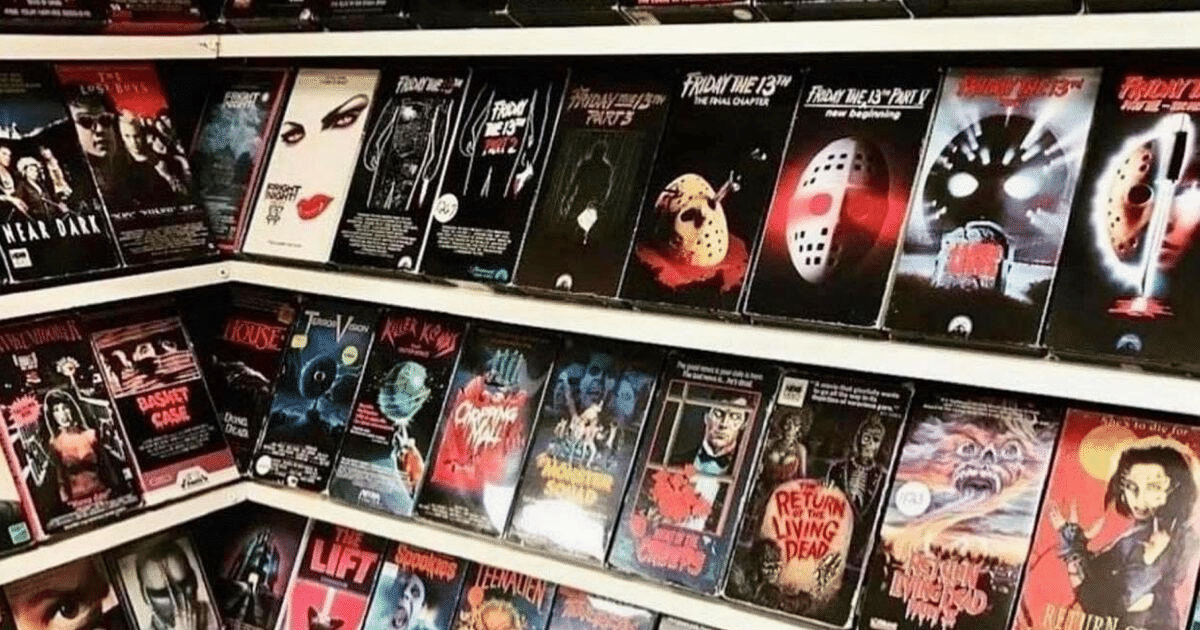
You might not have been old enough to rent those movies, but nothing stopped you from studying their covers. And in the 1980s, horror movie artwork was practically an art form unto itself.
A skeletal hand reached out from darkness. A hideous creature stared directly at you. A masked killer stood beneath a threatening sky. A mysterious house promised unspeakable secrets behind its windows.
Sometimes the artwork was so effective that you didn’t need to watch the movie.
Your imagination had already done the job.
The scariest part of a horror movie in 1985 wasn’t always the movie. Sometimes it was the VHS box staring back at you from the shelf.
When the Movie Box Was Better Than the Movie
Of course, there was one little problem with choosing movies based entirely on the artwork.
Sometimes the movie was terrible.
Absolutely, spectacularly terrible.
You’d find a box featuring an enormous monster towering over a burning city. The description promised a horrifying battle for humanity’s survival. The artwork looked like something from a Hollywood blockbuster.
Then you’d get home, slide the cassette into the VCR, and discover that the monster appeared for approximately three minutes and looked suspiciously like a rubber puppet.
But did that make the experience any less memorable?
Not necessarily.
In fact, some of those ridiculous discoveries became the movies we talked about most.
The Movies That Haunted the Rental Shelves
A Nightmare on Elm Street (1984)
Freddy Krueger was practically designed to terrify an entire generation. His burned face, bladed glove, and ability to invade dreams made him one of the most unforgettable horror villains of the decade.
Friday the 13th (1980)
The Friday the 13th franchise became synonymous with slasher cinema, summer-camp nightmares, and the unmistakable hockey mask associated with Jason Voorhees in the sequels.
The Return of the Living Dead (1985)
With punk-rock energy, outrageous zombies, and a wicked sense of humor, this film helped demonstrate how inventive 1980s horror could be.
Ghoulies (1985)
Who could forget the notorious creature emerging from a toilet on the film’s promotional artwork? It was absurd, memorable, and exactly the kind of visual gimmick that could convince a curious teenager to rent a movie.
The Monster Squad (1987)
For younger monster-movie enthusiasts, The Monster Squad offered something irresistible: a group of kids confronting legendary creatures.
The Great Friday-Night Negotiation
Choosing a movie wasn’t always easy.
Dad wanted an action movie. Mom wanted a comedy. One sibling wanted a cartoon, another wanted something terrifying, and everyone insisted that their selection was the only reasonable choice.
There were no personalized recommendations waiting on a screen. No endless previews automatically playing as you scrolled through a menu.
You had to negotiate. You had to compromise. Sometimes you had to take a chance on something nobody had heard of.
And sometimes, after twenty minutes of discussion, you finally agreed on a movie only to discover that every available copy had already been rented.
That little empty space on the shelf could be heartbreaking.
The Ritual of Bringing the Movie Home
Once you’d made your selection, the rest of the evening began to take shape.
You carried the cassette to the counter. The clerk checked it out. Someone reminded you when it was due back.
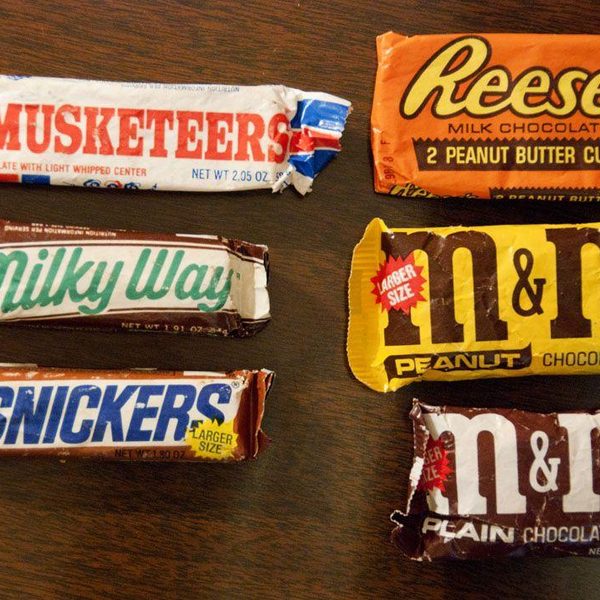
Maybe you grabbed a candy bar or some microwave popcorn on the way out.
Then came the ride home.
At home, someone prepared the snacks while someone else connected the VCR or adjusted the television.
The cassette slid into the machine with a satisfying mechanical sound. The television flickered. The tracking might need adjustment. A few seconds of static or previews could appear.
And then the movie began.
We didn’t just watch movies. We built an entire evening around them.
Be Kind, Rewind: The Little Details We Still Remember
Of course, nostalgia has a way of softening the inconvenient parts of the past.
Tapes could be worn out. Tracking could be dreadful. Popular titles were frequently unavailable. Rental deadlines were easy to forget, and late fees could turn an inexpensive weekend into a surprisingly costly one.
Then there was the familiar instruction printed on countless rental labels:
BE KIND, REWIND.

Before returning a movie, you were expected to rewind the cassette so the next customer wouldn’t have to sit through several minutes of mechanical whirring.
Sometimes you remembered. Sometimes you didn’t.
These were inconveniences, certainly. But they were also part of a physical experience that streaming has largely eliminated.
Before Blockbuster, There Was the Neighborhood Video Store
When people remember the rental era today, Blockbuster often dominates the conversation. Its familiar blue-and-yellow branding became one of the most recognizable symbols of home entertainment.
The first Blockbuster Video store opened in Dallas in October 1985, and the chain eventually became a major force in the rental industry.
But independent video shops were central to the experience. They were often operated by local business owners who knew their regular customers.
A familiar clerk might remember which action movies you liked, recommend an obscure science-fiction title, or tell you when a long-awaited release was expected back.

Streaming Gave Us Everything—Except the Experience
There is no denying that streaming has transformed entertainment for the better in many ways.
We have extraordinary access to films, television series, documentaries, and forgotten favorites. We can revisit childhood classics without searching through rental shelves or worrying about returning a cassette before closing time.
Convenience matters.
But convenience isn’t the same thing as anticipation.
And abundance isn’t always the same thing as discovery.
When we visited a video store, we encountered movies that weren’t necessarily selected for us by a recommendation algorithm.
We noticed unfamiliar artwork. We listened to suggestions from friends and clerks. We explored sections we hadn’t originally intended to visit.
Sometimes we made wonderful discoveries. Sometimes we rented complete disasters.
Either way, the decision was ours.
The VHS Box Was a Work of Art
One of the greatest losses of the rental era may be the physical artwork itself.
Movie posters and video packaging once competed fiercely for our attention. Illustrators and designers created images intended to stand out from dozens of competing titles.
Some featured dramatic painted compositions. Others relied on strange photography, unusual lettering, or a single unforgettable monster.
The covers could be misleading, excessive, or downright ridiculous.
But they were rarely boring.
For collectors today, surviving VHS boxes represent more than outdated packaging. They’re artifacts of an entertainment culture that valued physical presentation.
The Last Rental Before Halloween
Imagine one more trip to that old neighborhood store.
It’s late October. The afternoon is growing dark, and the parking lot is covered with fallen leaves.
You open the glass door and hear the familiar chime.
Inside, the shelves are filled with movies. There are action heroes, cartoon characters, science-fiction adventures, and more horror films than you could possibly watch in a single weekend.
Somewhere near the back, a particularly frightening VHS box catches your eye.
You pick it up.
You study the cover.
You turn it over and read the description.
For a moment, you wonder whether this one might be too scary.
Then you smile, tuck it under your arm, and head for the register.
Because Halloween is coming.
And you’ve got a movie to watch.
Maybe What We Miss Isn’t Really the Video Store
Perhaps what we truly miss is the feeling of being young enough to believe that an ordinary Friday night could become an unforgettable adventure.
We miss the anticipation of discovering something new. We miss the friends and family members who gathered around the television. We miss the small rituals that made the weekend feel different from every other day.
And yes, we miss those glorious, ridiculous horror movie boxes that could terrify us without showing a single moving image.
Most of those neighborhood video stores are gone now.
But the memories remain.
They’re still there whenever we hear the mechanical click of a VHS cassette, see a faded movie poster, or discover an old rental tape buried in a box of childhood belongings.
And every October, when Halloween approaches and the evenings grow darker, a little part of us wants to make that trip again.
Not to browse a streaming library.
Not to click a recommendation.
But to walk through those doors, wander into the horror aisle, and bring home one more nightmare.
Because sometimes, the best part of movie night was everything that happened before the movie began.
Now We Want to Hear From You!
What was YOUR favorite neighborhood video store growing up?
Was it Blockbuster, Hollywood Video, a local independent shop, or a little family-owned business that disappeared decades ago?
And here’s the big question: Which horror movie VHS cover frightened you the most as a kid?
Share your memories in the comments and tell us which movie you rented over and over again!
FOLLOW SERPENTORSLAIR.COM FOR MORE 1980s NOSTALGIA!
About the Author: Adam Jared
Adam Jared is the founder of SerpentorsLair.com, a pop-culture community dedicated to celebrating the action figures, television, movies, and unforgettable entertainment of generations past. He holds a Master of Science in Social Media Management and is pursuing a PhD in Strategic Communication. Through his editorials and nostalgic retrospectives, Jared explores the cultural experiences and childhood memories that continue to connect fans around the world.