ARTIST SPOTLIGHT: Ruth Lucas — Classic Pinup Influence, Colored-Pencil Elegance, and a Style All Her Own
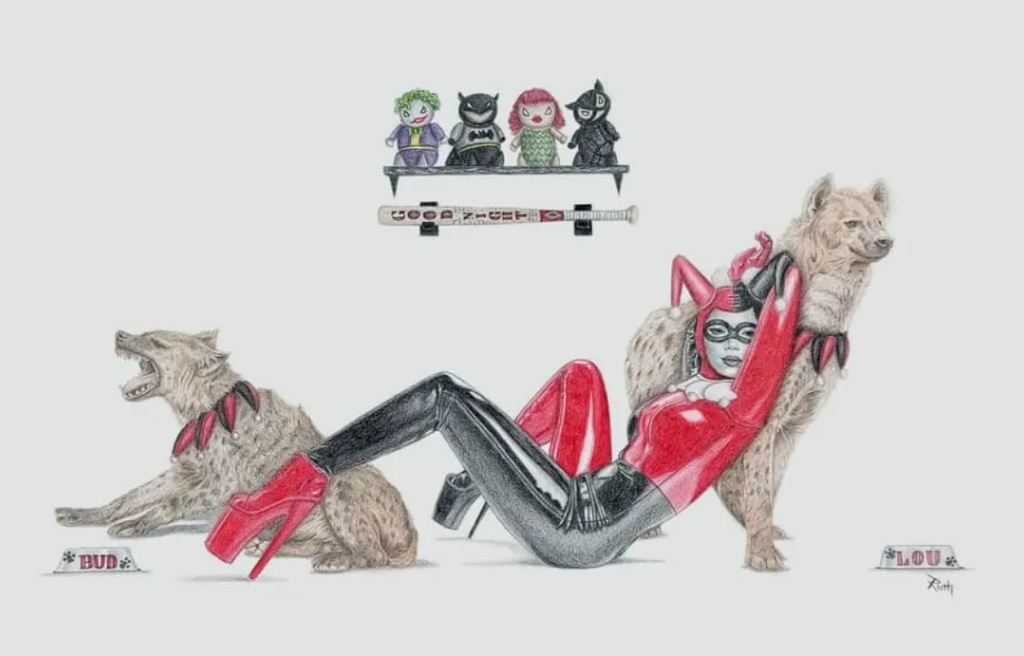
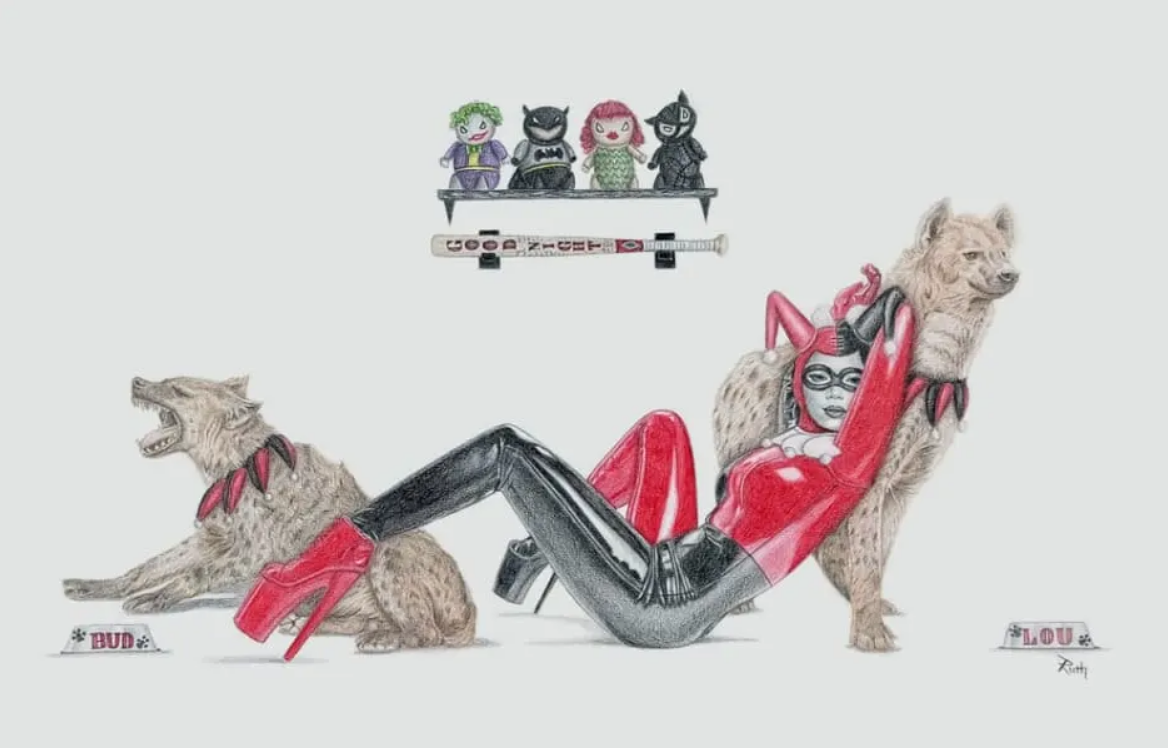
Ruth Lucas creates the kind of artwork that rewards a second look. At first glance, her work immediately calls back to the golden tradition of pinup illustration—the glamour, confidence, expressive posing, and larger-than-life personalities associated with artists such as Olivia De Berardinis, Alberto Vargas, Gil Elvgren, and George Petty. Look closer, however, and what emerges is an artist who is not simply recreating that tradition, but actively reshaping it through her own voice.
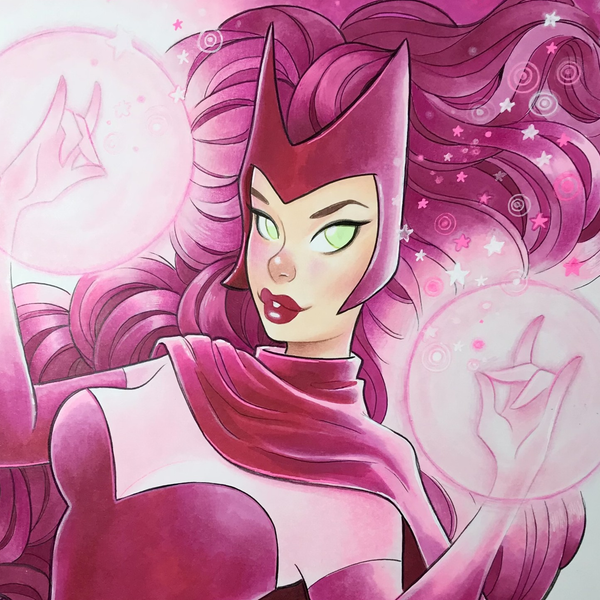
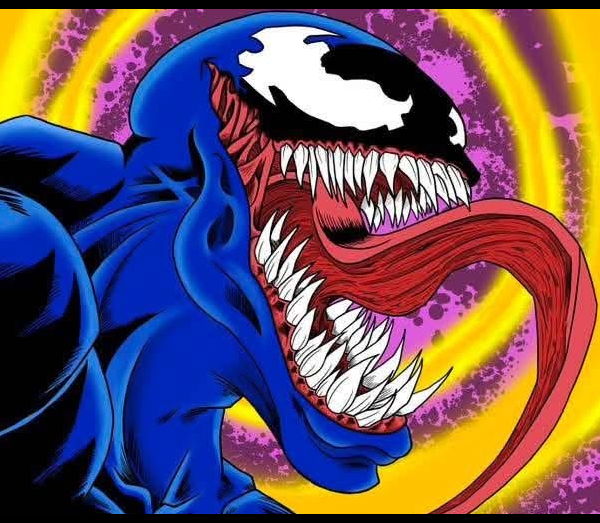
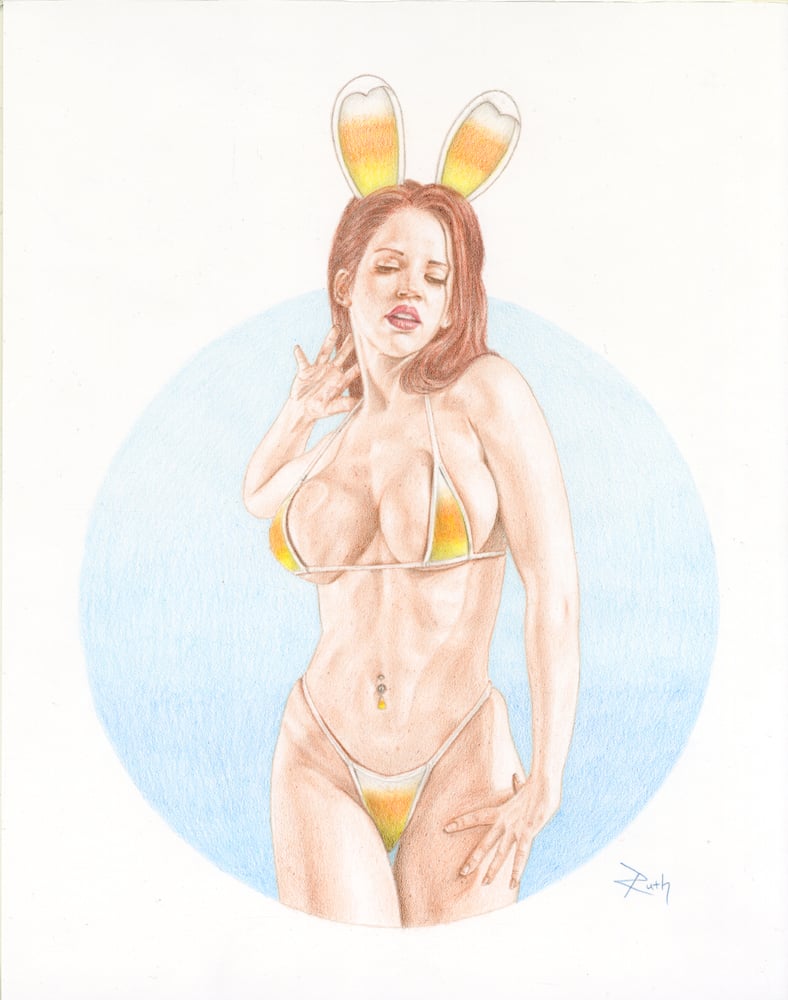
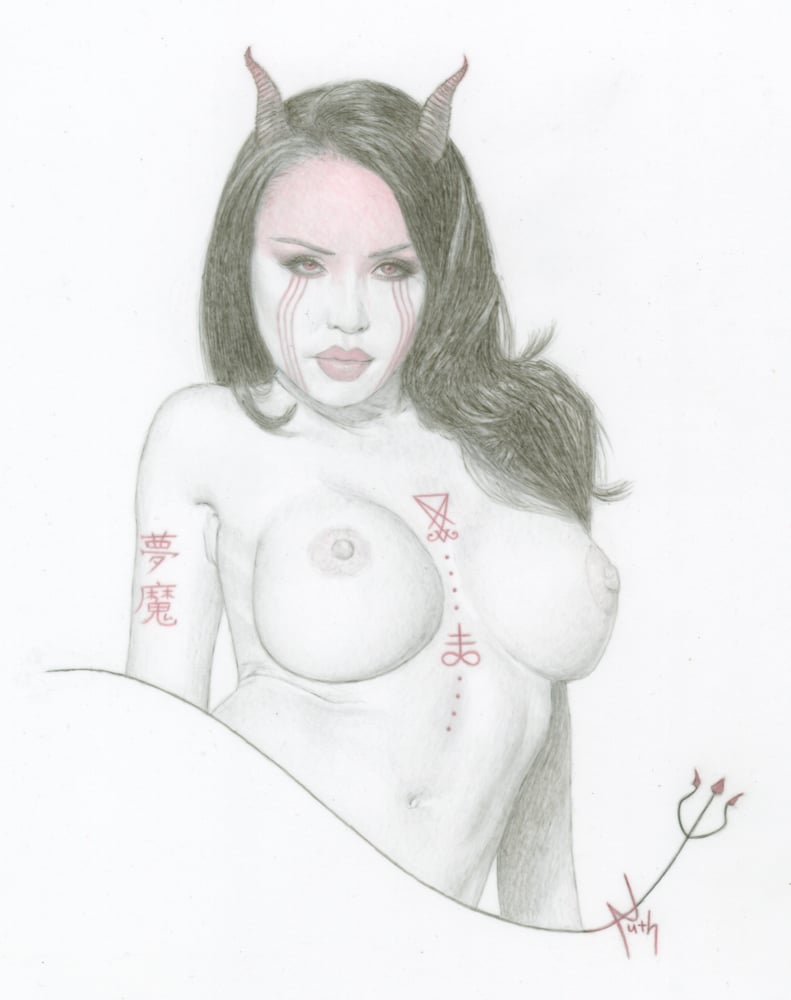
Lucas works primarily in colored pencil, building her images through multiple light layers that give the finished pieces a remarkably soft, luminous appearance. That technique can make the work feel almost like pastel or watercolor while still preserving the precision and control of pencil. Her subjects range from classic pinup imagery and comic-inspired characters to fantasy, gothic, and pop-culture pieces, yet her greatest strength may be her ability to make every subject feel like an individual rather than a pose on a page.
The eyes, expressions, body language, costume details, and setting all become part of the storytelling. Lucas approaches a character by thinking about who that person is, how they would present themselves, and what the viewer should feel in the moment. The result is artwork that aims not only to be visually attractive, but memorable.
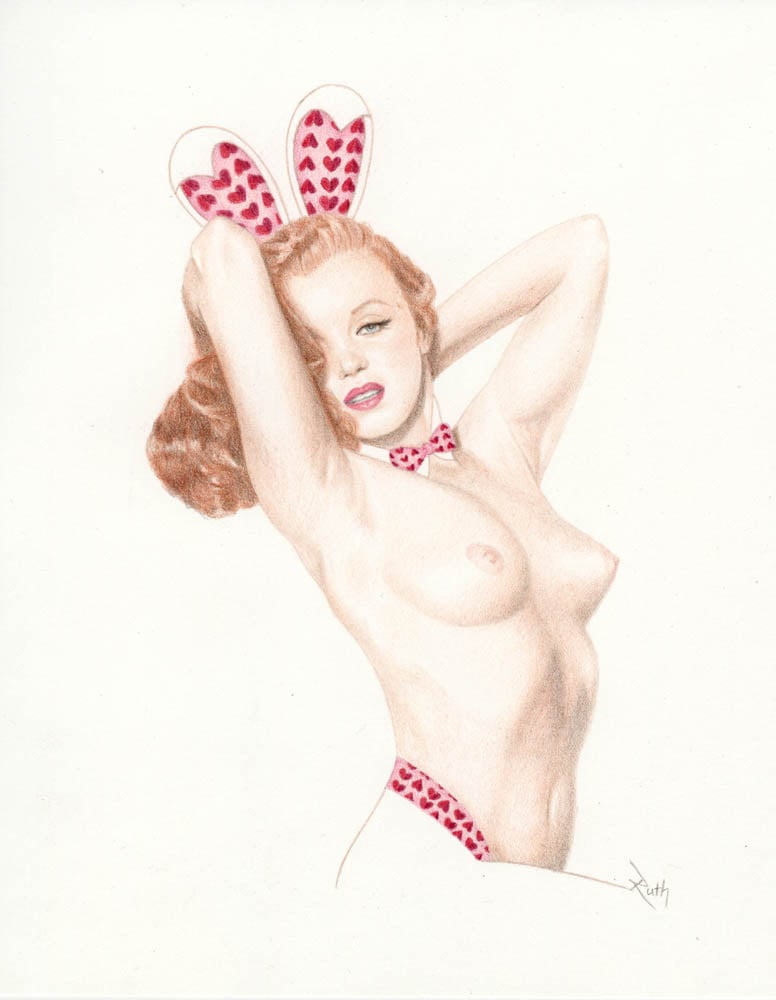
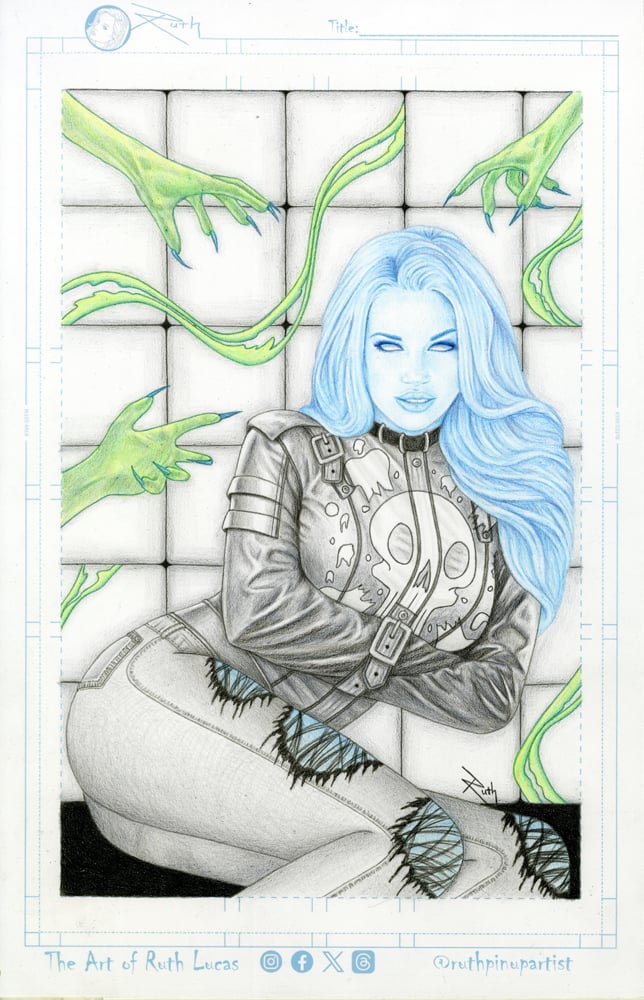
That attention to personality becomes even more important when Lucas works with established characters or comic-book properties. She wants the finished image to remain true to the character and story while still carrying her own artistic fingerprint. For comic covers, she also thinks like a reader: what image would make someone stop, pick up the book, and want to know what happens inside?
For this week’s Artist Spotlight, Serpentor’s Lair spoke with Ruth Lucas about her artistic influences, her transition from oil painting to colored pencils, the advantages of traditional media, the challenge of comic-cover illustration, her creative process, and the ambitious projects she hopes to pursue in the years ahead.
The Interview
1. Your work carries a strong classic pinup influence. Which artists helped shape your visual style, and how did colored pencil become your primary medium?
I love the pinup art of artists such as Olivia, Vargas, Elvgren, and Petty to name a few. They have been some of the main influencers of my art and style.
I had been focusing on oil paints for a while, but I wanted something vastly different in the look of my art. One day, I grabbed colored pencils just for fun, and found that I loved them so much that they became my main medium to work with! I like to create several thin layers to keep it soft looking. Some have said it reminds them of pastels or watercolors.
2. Pinup art can easily become static if the pose does all the work. How do you bring personality and emotion into your subjects?
I like to have their personalities shine through. The eyes are one of my favorite parts to really get that emotion out there! When I’m drawing a pinup, I think about where she is and how she wants to come across to the viewer. By doing that, it helps me to make the art feel less static and more engaging or active, while I’m drawing it. My hopes are that the art moves the viewers and is memorable.
3. How does creating a standalone illustration differ from creating a comic-book cover?
If a piece is just entirely on its own, I’m not restricted by size. Depending on what I’m drawing, I also might not even be restricted by specific costumes, etc. In a way, I’m able to let my personality and imagination completely shine through. Cover art, I need to be aware of dimensions, specific costumes, specific places, and stories. My personality still comes through, but it’s slightly filtered through the creator of the comic. Something I think is special about that, though, is how the collaboration turns out. Multiple creative minds put together to come up with one image is pretty awesome!
4. Walk us through your drawing process, from the first idea to the finished colored-pencil piece.
The beginning of my drawing process varies. Sometimes an idea just comes to me and I just get so excited that I’ve got to write it down and rough sketch what I’m thinking, usually starting with stick figures because they make me smile and are fast to sketch. Sometimes I don’t have anything specific in mind and just wing it. I like to look at references of different people, animals, things, etc, when I draw. If I have a specific pose, etc, in mind then I look up references along that line. If I don’t have a specific idea in mind, I still look through references until I see a pose, etc, that I feel like drawing at the time.
I like to draw my initial drawing on tracing paper. I like the feel of it and I can use multiple layers for playing around with hair, outfits, etc. In the past I didn’t do that and my paper would get messy from the graphite or rough from too much erasing or the composition wouldn’t be centered how I wanted, etc. After I get the drawing how I like, I transfer it to the paper, etc, that I want the final art on. Then I tweak any part that might need tweaking and get to coloring in multiple light layers with my colored pencils (lightest to darkest) until I feel it is done enough. I swear a drawing never feels truly done though, lol.
5. What do you want a comic cover to accomplish before the reader ever opens the book?
When I create a comic cover, I think about what would make me stop to look at the cover, while also doing the character and story justice. I want the viewer to look at the cover and get excited to learn more about the character and read the story!
6. When you have several possible concepts for one piece, how do you decide which one deserves to become the final illustration?
Sometimes I have multiple concepts in mind for how I envision an artwork. I tend to rough sketch a few thoughts, then I put that aside, then later I come back to them to see what is really working and what isn’t. When I come back, that gives me an opportunity to look at the ideas with fresh eyes and see what is really staying true to the character, story, etc, and what is just too out there, lol. The ones that work have that balance, while the others just fall short.
7. How do you approach established characters while still making the finished piece unmistakably yours?
When it comes to existing characters, I try to put myself in the shoes of that character, so to speak. I focus on what physical and personality traits make up that character and then add a touch of my personality to it. I think of what would I like to see that character wear, do, etc, and capture that image. I think about what have I not seen explored enough with that character and how could I do that in a way that stays true to the character and lets my personality shine through.
8. You continue to work primarily with traditional materials. What keeps you connected to physical media, and which tools are currently essential to your work?
When I was a kid creating art, traditional was all I had available. I didn’t get to play with creating digitally until I was a teenager in college. I still prefer creating traditionally because I love feeling all of the materials in my hands, experiencing the smells of materials, letting certain ‘happy accidents’ happen that I can’t undo, and how different mediums look in person.
As for materials I like to use, I currently love Holbein colored pencils! The colors are wonderful and they blend so smoothly! For paper, I’ve always been a huge fan of Strathmore’s bristol, specifically their premium 500 series. It has a nice smoothness to allow tiny details and the shade of white is awesome. For the tracing paper, I like Canson. It’s nice and smooth and the transparency is so much nicer than others I have used; makes it easier for me to layer multiple of my sketches on top of each other, kind of like layering digitally. When I create black and white, I have become obsessed with Dura-Lar (matte version). I love the look it has, specifically with black and white; almost like it could glow.
9. Where do you see your style evolving from here?
I’m always trying to improve as an artist. One of the things I love about art is I feel like you can forever improve and explore. My style will continue to be based on illustrative realism. I like to research different things, genres, etc. I’m always trying to incorporate the past, present, or future into my art. I like to stay true to myself, so no matter how art evolves around me, I want my fingerprint to stand out. I love and am interested in so many things that the possibilities are endless!
10. What major projects and goals are you most excited to pursue next?
One of my favorite large projects is “The Bunny Project!” I’m drawing portraits of every Playboy playmate (800 and growing each year). My plan is to have art books made of collections of those as well as my other art! I would love to have my art used for more comic covers! I plan on getting art displayed in more art shows, galleries, and conventions. Even though I primarily focus on colored pencil, I’m looking into painting again, specifically with watercolor, gouache, and airbrushing. Digitally, I eventually want to learn more about creating in Zbrush, etc. I would love to see my pinups as 3D figures!
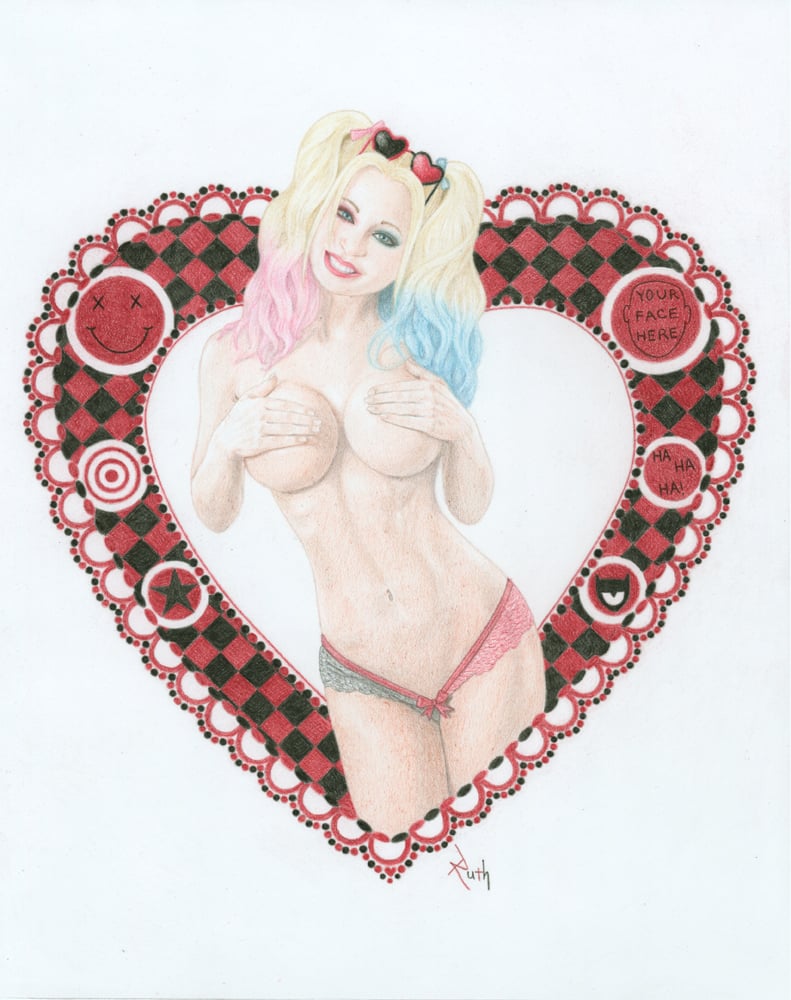
Building a Personal Legacy Through Traditional Art
What stands out most in Ruth Lucas’ answers is how intentionally she approaches the craft. She may begin with a spontaneous idea, a reference image, or even a quick stick-figure sketch, but the finished work is the result of careful refinement. Tracing paper allows her to experiment with composition, hair, costumes, and poses without destroying the surface beneath. Once the composition is right, the final rendering is built gradually from the lightest colored-pencil layers to the darkest until the image reaches the softness and depth she wants.
There is also something refreshingly tactile about her commitment to traditional media. Lucas speaks about the feel of the materials, the smell of the studio supplies, the unpredictability of physical surfaces, and even the mistakes that cannot simply be erased with a digital undo command. Those so-called “happy accidents” become part of the experience and, in many cases, part of the personality of the finished work.
At the same time, Lucas is not standing still. She continues to study, experiment, and look for ways to expand her visual vocabulary. Her future plans include returning to watercolor, gouache, and airbrush work, learning more about digital sculpting tools such as ZBrush, producing art books, exhibiting in more galleries and conventions, creating additional comic covers, and potentially seeing her pinup designs realized as three-dimensional figures.
That willingness to keep learning may ultimately be one of the strongest defining features of her work. Lucas has clear influences, but she also has a clear goal: no matter where art trends move, she wants her own artistic fingerprint to remain visible.
Where to Find Ruth Lucas’ Art
If you would like to see more of Ruth Lucas’ work, follow her latest pieces, explore her portfolio, or inquire about commissioning original artwork, you can find her at the following official pages:
Facebook:
facebook.com/ruth.lucas.908
Bluesky:
bsky.app/profile/ruthpinupart.bsky.social
Raremarq — Portfolio and Original Art:
raremarq.com/u/RuthPinupArtist
For collectors, publishers, independent comic creators, and fans of traditional pinup illustration, these pages are the best places to follow Ruth’s new work and reach out directly regarding commissions and collaborations.
Closing
Ruth Lucas represents a compelling meeting point between classic illustration and contemporary fandom. Her work respects the history of pinup art without becoming trapped by it, and her colored-pencil technique gives her illustrations a distinctive softness that immediately separates them from the heavily digital look that dominates much of modern character art.
More importantly, Lucas is building a body of work around personality. Whether the subject is an original pinup, a comic character, a fantasy creation, or part of her expansive “Bunny Project,” she wants the viewer to feel that there is a person—or at least a story—behind the image. That emphasis on expression, craftsmanship, and individuality gives her work staying power.
Serpentor’s Lair thanks Ruth Lucas for taking the time to share her process, inspirations, and future plans with us. We encourage readers to visit her pages, explore her portfolio, support her work, and contact her if you are looking for a distinctive traditional artist for a commission, comic cover, or original piece.