Contra-dictions & Code: The Untold Story of NES’s Most Explosive Run-and-Gun Classic
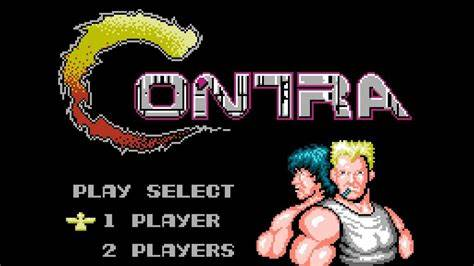
In 1988, Contra exploded onto the Nintendo Entertainment System (NES), delivering a high-octane, side-scrolling shooter experience that would become a cornerstone of 8-bit gaming. Developed by Konami, Contra was a home console adaptation of its 1987 arcade predecessor, reimagined to fit the NES’s hardware capabilities while retaining the intense action that defined the original.
Originally released in arcades in 1987, Contra captivated players with its fast-paced gameplay and cooperative two-player mode. Recognizing its popularity, Konami developed an NES version, released in North America in February 1988. This adaptation introduced several changes to accommodate the NES’s limitations, such as reducing sprite flickering by displaying certain effects at 30 frames per second instead of the arcade’s 60.
The NES version also restructured the game’s stages, combining and renumbering levels to create a cohesive eight-stage experience. Notably, the base stages were redesigned, removing maze-like structures and time limits, and the boss of the waterfall stage was changed from a diamond-shaped sensor to an alien statue.
One of Contra‘s most enduring legacies is its association with the Konami Code: Up, Up, Down, Down, Left, Right, Left, Right, B, A, Start. Inputting this sequence at the title screen granted players 30 lives instead of the standard three, significantly easing the game’s notorious difficulty. While the code first appeared in Gradius, it gained widespread recognition through Contra, becoming a cultural touchstone for gamers.
Despite its popularity, Contra does not appear on some lists of best-selling NES games, leading to speculation about its exact sales figures . However, the Contra series as a whole achieved significant commercial success, with combined sales exceeding 4 million units by the end of 1996 .
The game’s challenging gameplay, cooperative mode, and memorable soundtrack contributed to its lasting appeal. Contra has been re-released on various platforms, including the NES Classic Edition, ensuring that new generations of gamers can experience its adrenaline-fueled action.
Little-Known Facts and Trivia
- Name Origins: The protagonists, Bill Rizer and Lance Bean, were named after actors Bill Paxton and Michael Biehn, who starred in the film Aliens.
- Regional Differences: In Europe, the game was released as Gryzor, and in some versions, human characters were replaced with robots to comply with regional content guidelines.
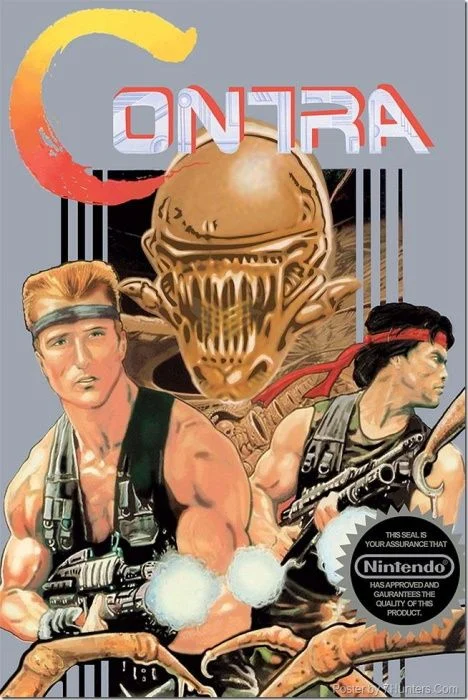
- Cover Art: The NES version’s cover art was created by Bob Wakelin, who drew inspiration from the film Predator, featuring Arnold Schwarzenegger.