Farrah, Lynda, Lindsay & Jaclyn — The Women Who Made 1976 Unforgettable
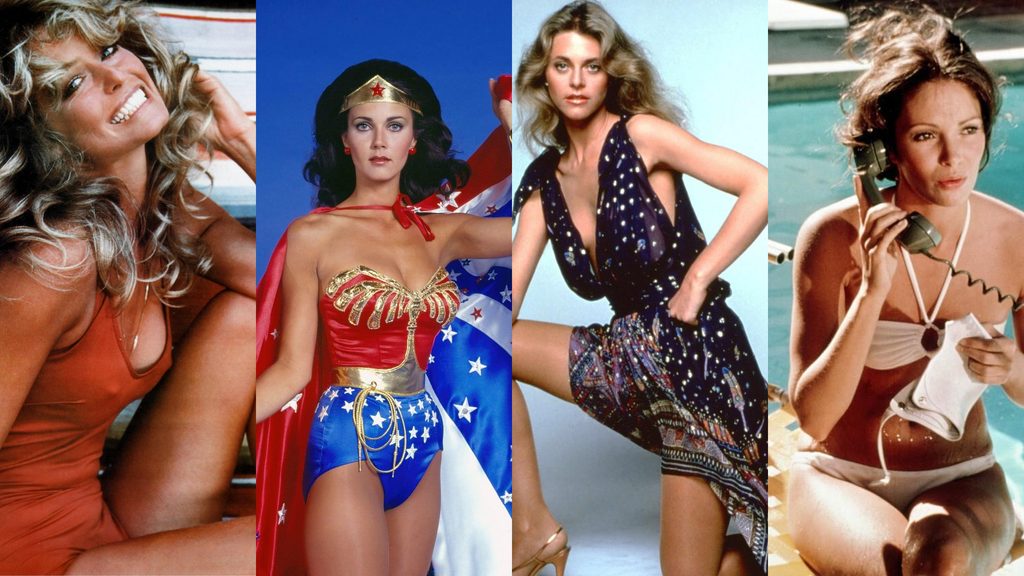
SERPENTORSLAIR.COM • THE GOLDEN AGE OF TELEVISION
FARRAH, LYNDA, LINDSAY & JACLYN
The Women Who Made 1976 Unforgettable
A 50TH ANNIVERSARY CELEBRATION
By Adam Jared

Before Instagram influencers, streaming celebrities, and a thousand different entertainment channels, four extraordinary women captivated an entire generation.
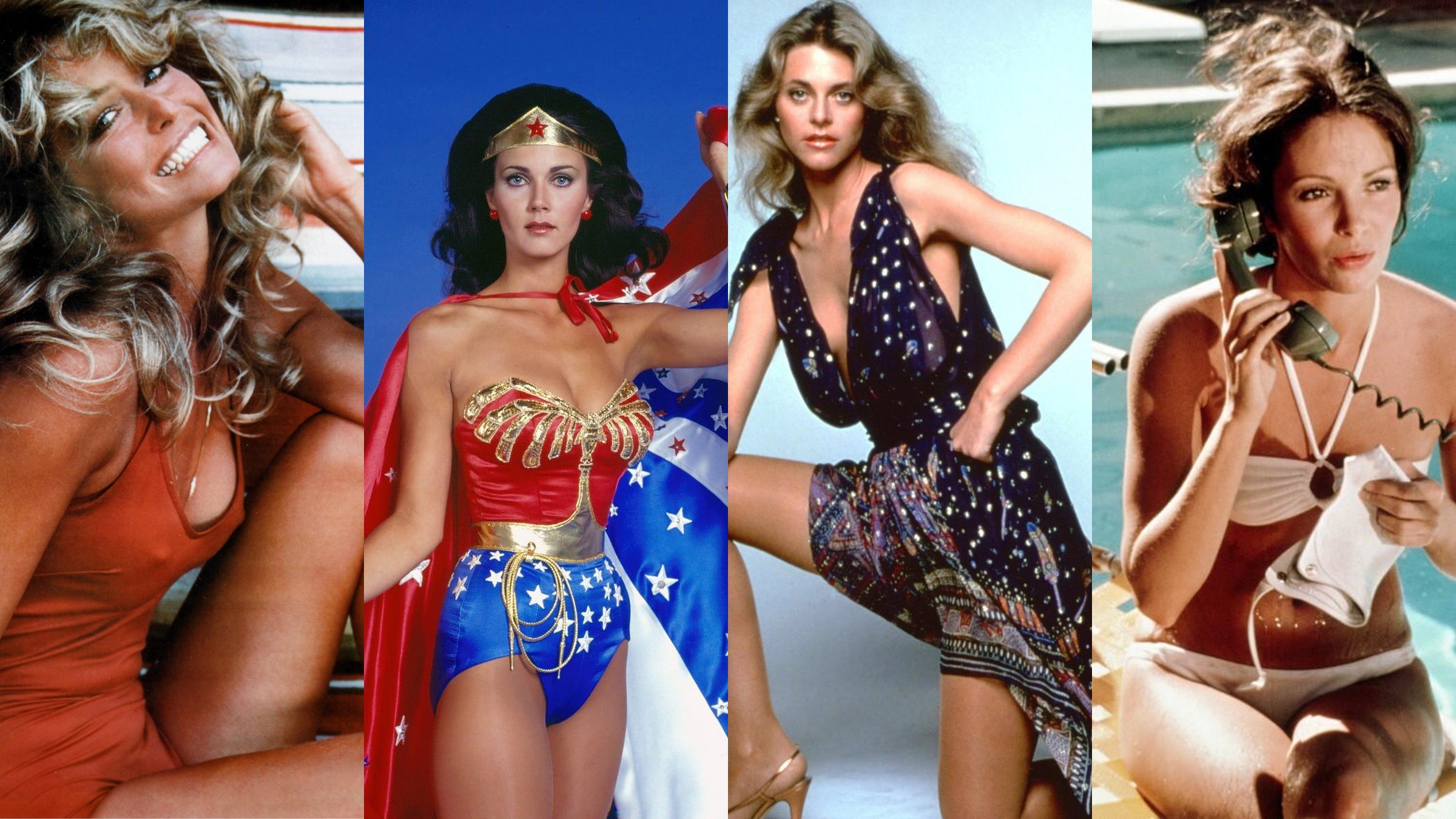
Their names were Farrah Fawcett, Lynda Carter, Lindsay Wagner, and Jaclyn Smith.
And in 1976, television would never be quite the same.
Think about it for a moment.
America was celebrating its Bicentennial. Disco was filling nightclubs. Bell-bottoms and platform shoes were everywhere. Television sets still had wood-grain cabinets, and most households had only three major networks to choose from.
Yet within that relatively small television universe, an astonishing collection of actresses was capturing the public imagination.
Farrah was the golden-haired California dream girl.
Lynda was the statuesque superheroine who made an entire generation believe in Wonder Woman.
Lindsay was the compassionate, courageous woman who could run faster than any ordinary human.
And Jaclyn was the sophisticated brunette whose elegance made her one of television’s most unforgettable detectives.
They were glamorous, talented, charismatic, and enormously popular.
But their influence went well beyond their beauty.
Each contributed to a new image of women on American television: women who could fight villains, solve crimes, headline adventures, and become the central attraction of their own shows.
FARRAH FAWCETT: THE WOMAN WHO LAUNCHED A MILLION HAIRSTYLES

There are famous celebrity photographs.
There are iconic celebrity photographs.
And then there is Farrah Fawcett’s red swimsuit poster.
Photographed in 1976 by Bruce McBroom, the image became a phenomenon unlike anything the poster industry had previously experienced.
Farrah sat against a colorful striped blanket wearing a simple red one-piece swimsuit.
Her blonde hair tumbled around her shoulders, her head tilted backward, and that unforgettable smile lit up the photograph.
Nothing about the image required complicated props or an extravagant Hollywood production.
In fact, the simplicity was part of its appeal.
The shoot took place at the Los Angeles home she shared with her then-husband, Lee Majors.
She supplied her own swimsuit and did her own hair and makeup.
And the result became the most successful pin-up poster of its era, eventually selling more than twelve million copies.
Imagine that.
Millions of bedroom walls, college dormitories, garages, and recreation rooms featured that same smiling face.
Then Came Charlie’s Angels

When Charlie’s Angels premiered as a weekly series on September 22, 1976, Farrah became Jill Munroe, one of three glamorous private investigators employed by the mysterious Charles Townsend.
Alongside Kate Jackson and Jaclyn Smith, Farrah helped create one of the most recognizable television ensembles of the decade.
The series combined crime-solving adventures with fashionable clothing, undercover assignments, action, and playful humor.
Critics sometimes dismissed its emphasis on glamour, but audiences enthusiastically embraced the characters.
Farrah’s popularity became so extraordinary that her hairstyle developed an identity of its own.
The Farrah.
Hair salons across America were flooded with requests for her feathered, layered look.
She had become much more than a television actress.
She was a cultural phenomenon.
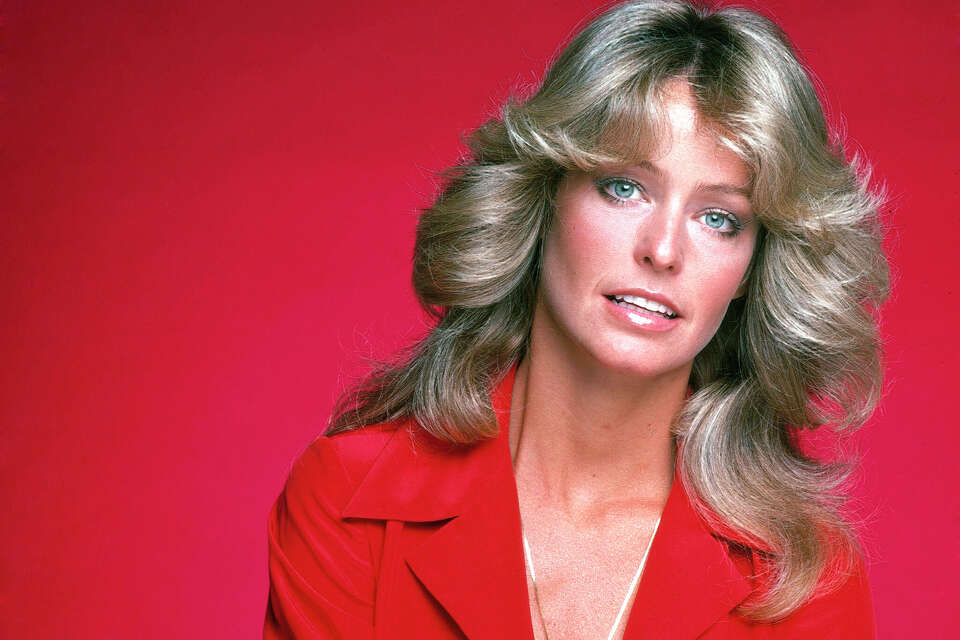
And perhaps the most remarkable part of her success was that Farrah would remain an enduring pop-culture icon long after leaving the original Charlie’s Angels cast.
LYNDA CARTER: THE WOMAN WHO WAS WONDER WOMAN

For generations of comic-book readers, Wonder Woman had been one of the greatest superheroes ever created.
But in 1976, Lynda Carter brought the Amazon princess to television in a way that would permanently define the character for millions.
Carter had first portrayed Diana Prince in a 1975 television movie.
On April 21, 1976, the first regular episode of The New Original Wonder Woman premiered on ABC.
And suddenly, American television had a superhero unlike any of the familiar male crimefighters.
Lynda’s extraordinary presence made the costume instantly recognizable.
The red-and-gold bodice, star-spangled blue shorts, golden tiara, bullet-deflecting bracelets, and Lasso of Truth became essential parts of the television superhero experience.
But the most memorable feature wasn’t simply the costume.
It was Carter herself.
She combined glamour with warmth, physical confidence, and a heroic screen presence that made the character approachable.
When Diana Prince transformed into Wonder Woman, it felt like a moment of genuine television magic.

And there was another interesting element to the original series.
The first season was set during World War II, creating a distinctive period-adventure atmosphere filled with spies, Nazi villains, military uniforms, and secret missions.
Carter’s Wonder Woman didn’t need anyone to rescue her.
She was usually the person doing the rescuing.
Her series would later move to CBS and update the adventures to a contemporary setting, but for many fans, those original 1976 episodes remain the definitive interpretation.
LINDSAY WAGNER: THE BIONIC WOMAN WHO HAD A HEART

On January 14, 1976, ABC introduced television audiences to a remarkable new heroine.
Her name was Jaime Sommers.
And she was The Bionic Woman.
Lindsay Wagner’s character had originally appeared on The Six Million Dollar Man, where she shared a powerful romantic connection with Steve Austin.
Following a devastating accident, Jaime was rebuilt with bionic enhancements that gave her extraordinary strength, speed, and hearing.
The concept could easily have become a simple imitation of Lee Majors’ popular science-fiction series.
But Wagner brought something different to the character.
Humanity.
Despite her mechanical enhancements, Jaime remained a compassionate, emotionally complex woman.
She cared about ordinary people.
She struggled with difficult decisions.
And she often attempted to solve problems through intelligence and empathy rather than force.

The iconic bionic sound effects became an essential part of the show.
Whenever Jaime ran at extraordinary speed, lifted a heavy object, or used her enhanced hearing, audiences knew they were watching something special.
Yet it was Wagner’s natural performance that made the character truly memorable.
She demonstrated that a television heroine could be simultaneously strong, compassionate, beautiful, and believable.
For many viewers, Jaime Sommers was the most relatable superhero of the entire decade.
JACLYN SMITH: THE ELEGANT ANGEL WHO STAYED UNTIL THE END

Farrah Fawcett may have received the loudest headlines in 1976, but another Charlie’s Angel quietly established herself as one of the most enduring leading ladies in television history.
Jaclyn Smith.
As Kelly Garrett, Jaclyn brought elegance, intelligence, and understated sophistication to the original trio.
Her flowing dark hair, remarkable eyes, and impeccable fashion sense made her instantly recognizable.
But Kelly Garrett was more than a glamorous television detective.
She could move comfortably between upscale social gatherings, undercover assignments, dangerous criminal investigations, and action sequences.
Smith made all of those situations believable.
The result was a character who became one of the show’s essential anchors.
And while the cast would change repeatedly over the series’ five-season run, Jaclyn remained.
She was the only original Angel to appear as a regular throughout the entire series.

Jaclyn’s career would extend far beyond Charlie’s Angels, including television movies, miniseries, and an enormously successful fashion and retail career.
But for millions of fans, she would always be Kelly Garrett.
The sophisticated Angel whose combination of beauty and confidence helped make Wednesday nights unforgettable.
THE YEAR TELEVISION CHANGED
Looking back at 1976, it is astonishing that these four stars were building their television legacies at almost the same moment.
Charlie’s Angels became one of the biggest hits on television.
Wonder Woman established the Amazon princess as a genuine live-action cultural icon.
The Bionic Woman demonstrated that a female-led science-fiction adventure could capture a massive audience.
And across America, posters, magazine covers, dolls, beauty products, and countless other items reflected the extraordinary popularity of these actresses.
There is also an important contradiction in the way the era is remembered.
The glamorous marketing was sometimes criticized for placing too much emphasis on the actresses’ physical appearance.
Those criticisms were not without merit.
But it is also true that viewers were watching women take center stage in adventure and action roles that had traditionally been dominated by men.
These actresses became household names because they possessed far more than photogenic faces.
They had charisma.
They had presence.
And they made audiences want to return every week.
In an era before streaming platforms and endless entertainment choices, becoming a genuine television icon was an extraordinary achievement.
Farrah, Lynda, Lindsay, and Jaclyn accomplished exactly that.
FIFTY YEARS LATER: THEIR LEGACY LIVES ON
It’s November 2026.
Half a century has passed since these four women helped transform television.
Farrah Fawcett passed away in 2009, but her image remains inseparable from the 1970s.
Lynda Carter continues to hold a special place in superhero history.
Lindsay Wagner remains one of television’s most beloved science-fiction heroines.
And Jaclyn Smith continues to represent the elegance and enduring appeal of the original Charlie’s Angels.
Each woman created a legacy that transcended a single program.
Together, they represent an era when television stars seemed almost larger than life.
1976 didn’t simply give us four beautiful television stars. It gave us four unforgettable women who helped define a generation.
THE GREAT 1976 TELEVISION QUEEN POLL!
You’re back in 1976. Which leading lady was your favorite?
A — FARRAH FAWCETT
B — LYNDA CARTER
C — LINDSAY WAGNER
D — JACLYN SMITH
Cast your vote in the comments!
BONUS QUESTION: Which of these classic television series did you never miss?
Share this article with someone who remembers the golden age of television!
Historical Sources and Photo References
- Television Academy — Charlie’s Angels
- Television Academy — Wonder Woman
- Smithsonian — Farrah Fawcett’s Poster
- Biography — Farrah Fawcett’s 1976 Poster
- Click Americana — The Bionic Woman
- Wikimedia Commons — Original ABC Cast Publicity Photograph
ABOUT THE AUTHOR
Adam Jared is the founder of SerpentorsLair.com, an entertainment and pop-culture website dedicated to G.I. Joe, vintage toys, classic television, movies, animation, and the nostalgia of the 1970s, 1980s, and beyond. He is also the creative force behind Destro Designs – Viper Den Studios. Adam holds a Master of Science in Social Media Management and is currently pursuing a Ph.D. in Strategic Communication. Through original articles, interviews, collector features, and community projects, he works to preserve the stories, memories, and cultural legacy of the entertainment that shaped generations.