Justice with a Smile: The Untold Story of The Commish
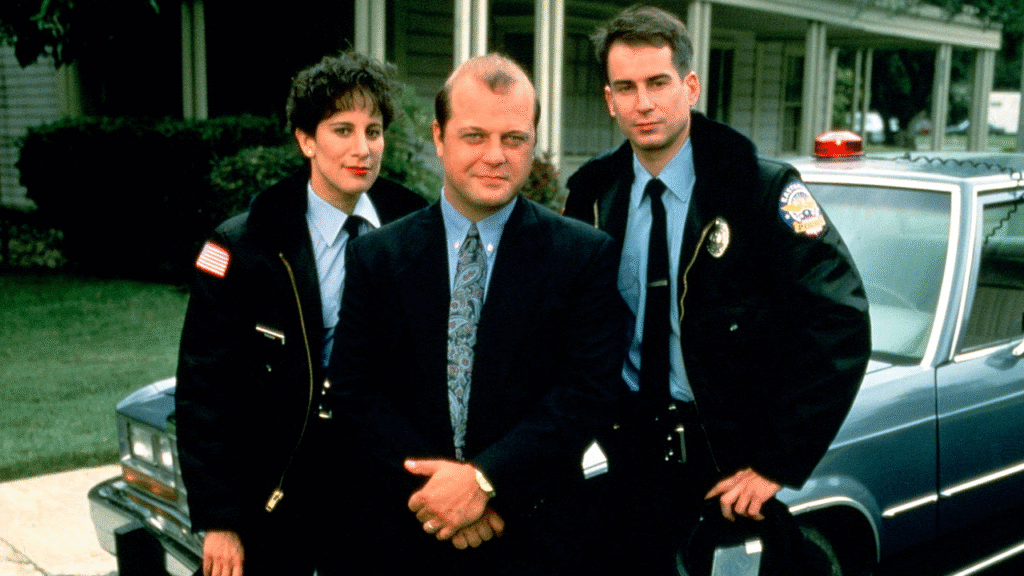
Premiering in 1991 on ABC, The Commish was not your average cop show. At a time when gritty, hard-edged crime dramas like NYPD Blue and Law & Order were dominating the airwaves, The Commish dared to be different. It offered viewers a police series with heart, humor, and a lot of warmth—anchored by Michael Chiklis as the kind but tough Commissioner Tony Scali.
The show ran for five seasons until 1996, and though it may not always make the list of top 90s shows, The Commish holds a special place in the hearts of fans for its unique tone and character-driven storytelling. Let’s take a closer look behind the scenes and uncover some little-known facts about this feel-good crime series.
The Origin Story of The Commish
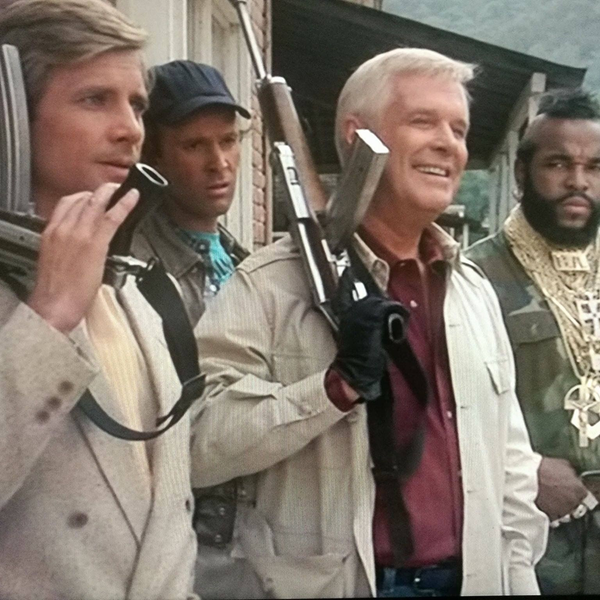
The Commish was created by Stephen J. Cannell, the prolific mind behind hits like The A-Team, 21 Jump Street, and Wiseguy. The idea was inspired by real-life police commissioner Tony Schembri, who worked in Suffern, New York. Known for his progressive and community-oriented approach to law enforcement, Schembri served as the model for the fictional Tony Scali.
Cannell wanted a show that highlighted the everyday challenges of being a police commissioner, not just from a crime-fighting perspective but from a family and personal standpoint as well. Thus, The Commish was born—a series where the lead character was as likely to mediate a dispute between teenagers as he was to confront a criminal.
Michael Chiklis: An Unlikely Star
When Michael Chiklis was cast as Tony Scali, he was just 28 years old—an unusually young age to play a seasoned police commissioner. To better fit the role, Chiklis wore a hairpiece and gained weight to make himself appear older and more fatherly. Ironically, he would later shave his head and reinvent himself as a gritty anti-hero in The Shield, which was a stark contrast to his role in The Commish.
Chiklis’s portrayal of Scali earned him widespread praise for his warmth, wit, and emotional depth. Unlike many law enforcement characters on TV, Scali was deeply human—flawed, funny, and always trying to balance justice with compassion.
Behind-the-Scenes Tidbits
- The Setting Wasn’t What It Seemed – While the fictional Eastbridge, New York was supposedly a small-town setting, many scenes were shot in Vancouver, British Columbia, due to tax breaks and filming incentives in Canada.
- The Show Was a Stepping Stone – Several future stars appeared on the show early in their careers, including Angela Bassett and Stephen Root. It also gave actors a chance to play more nuanced, everyday characters instead of standard TV archetypes.
- Real-Life Influence – Tony Schembri, the real-life inspiration for the character, would occasionally consult with the show and provide stories from his own career, which were adapted for episodes. This added a layer of authenticity that fans appreciated.
- Balancing Act – The show was known for mixing drama with domestic life. Episodes often intertwined police work with scenes at home between Tony, his wife Rachel (played by Theresa Saldana), and their son David, giving the show a heartwarming edge not common in crime dramas.
Legacy and Cultural Impact
Though The Commish may not have achieved the same legendary status as other cop shows from the era, its blend of humor, family values, and community-focused policing left a lasting mark. It offered a refreshing look at law enforcement through the eyes of a good man trying to do right in an increasingly complicated world.
Today, The Commish serves as an early example of character-driven storytelling in crime dramas. It paved the way for more humanized portrayals of law enforcement on television, showing that being tough doesn’t mean being heartless.
Whether you’re rediscovering it or watching for the first time, The Commish is a comforting, thoughtful throwback to a time when TV cops solved problems with empathy as much as with authority.
Stay tuned for more deep dives into 90s TV gems that deserve a second look!