Macho Man Randy Savage: From Baseball Diamond to 1980s Wrestling Icon
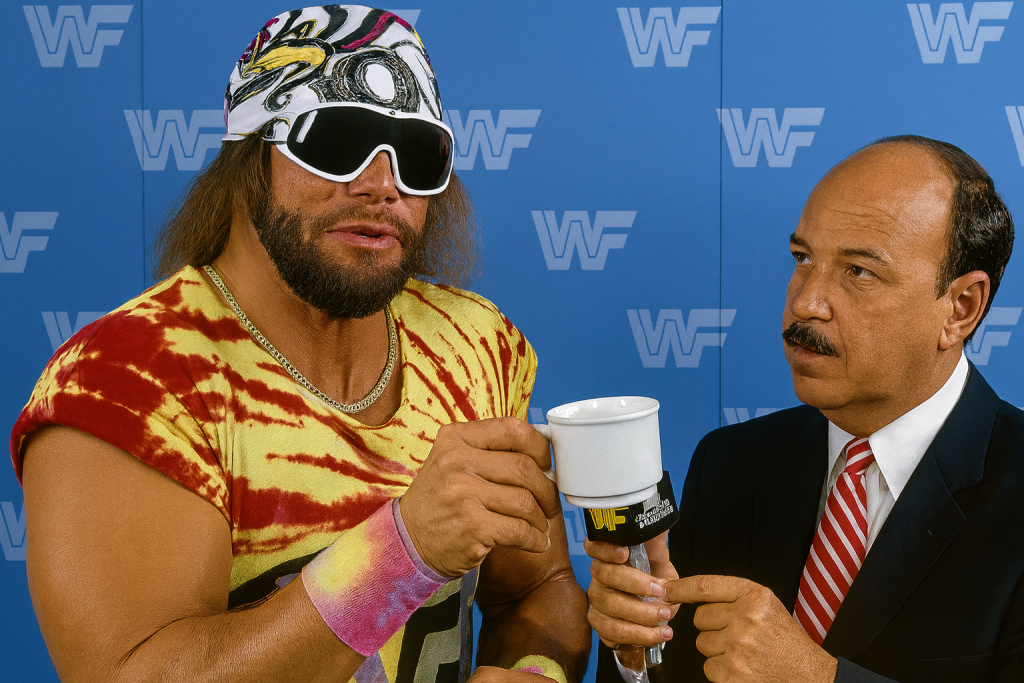
When you hear the gravelly voice say, “Ooooh yeah!” you instantly know who it is — Macho Man Randy Savage. Known for his flamboyant outfits, intense promos, and unmatched charisma, Savage wasn’t just a wrestler. He was a cultural phenomenon of the 1980s, bridging sports entertainment, mainstream pop culture, and even music. But before the world knew him as the “Macho Man,” Randy Savage was on a very different path.
Early Life and Baseball Dreams
Randy Mario Poffo was born on November 15, 1952, in Columbus, Ohio, to Judy and Angelo Poffo. His father, Angelo, was a professional wrestler himself, but young Randy’s first love wasn’t wrestling — it was baseball. In fact, many fans don’t realize that Savage spent years chasing a career in professional baseball before ever stepping into the squared circle.
He played as a catcher and outfielder in the minor leagues, signed first by the St. Louis Cardinals organization in 1971. Later, he played for farm teams affiliated with the Cincinnati Reds and Chicago White Sox. Savage was known for his fiery competitive spirit even then — legend has it he practiced batting by swinging at balls with his opposite hand after an injury, showing the same adaptability that would later define his wrestling persona.
The Transition to Wrestling
When baseball dreams faded after several seasons, Savage turned to wrestling — a move that may have seemed natural given his father’s career. He debuted in 1973, wrestling under his real name at first. The “Macho Man” moniker came from his mother, who read about the phrase in a Reader’s Digest article, believing it perfectly suited Randy’s intense personality.
Savage spent much of the 1970s honing his skills in smaller promotions, often teaming and feuding with his brother, Lanny Poffo (known to wrestling fans as “The Genius”). His early career was filled with gritty, hard-hitting matches that showcased his athletic background and high-flying style, which was innovative for the time.
WWF Glory and Pop Culture Crossover
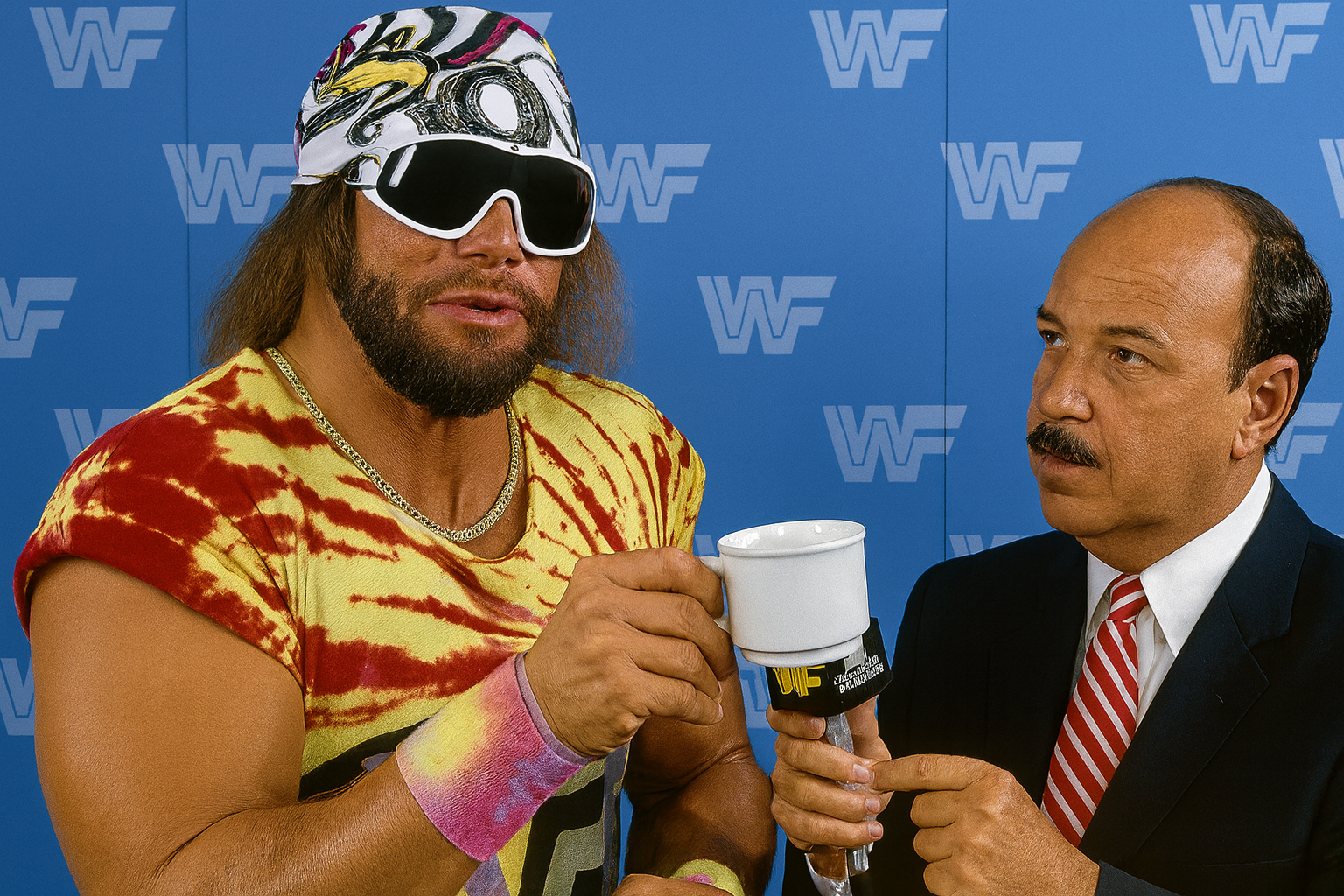
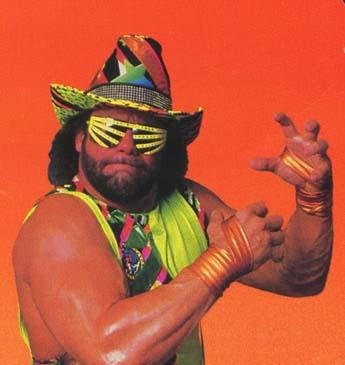
By 1985, Randy Savage signed with the World Wrestling Federation (WWF), and the Macho Man truly exploded onto the scene. Paired with his real-life wife “Miss Elizabeth” as his manager, he created one of wrestling’s most beloved — and sometimes heartbreaking — storylines. His flashy robes, oversized sunglasses, and raspy, unpredictable promos made him a standout in an era already filled with big personalities.
In 1987, Savage won the Intercontinental Championship at WrestleMania III after his legendary match with Ricky “The Dragon” Steamboat — often cited as one of the greatest wrestling matches of all time. By 1988, he became WWF Champion, cementing his status as a main-event superstar.
But Savage wasn’t confined to the ring. His larger-than-life persona made him a fixture in commercials, talk shows, and pop culture at large. He famously became the spokesperson for Slim Jim in the 1990s, but his voice and catchphrases were already being imitated on playgrounds across America in the ’80s.
Little-Known Facts About the Macho Man
- Savage was ambidextrous in baseball — an ability he developed after a shoulder injury forced him to throw left-handed.
- His voice wasn’t a natural speaking tone; he developed the gravelly growl over years of cutting promos, inspired partly by wrestling legend Lou Albano.
- He recorded a rap album in 2003 titled Be a Man, which included a diss track aimed at Hulk Hogan.
- Savage appeared in Spider-Man (2002) as “Bonesaw McGraw,” a role that introduced him to a new generation of fans.
- He was an accomplished amateur artist, creating sketches and designs for some of his own wrestling gear.
Legacy of the Macho Man
By the end of the 1980s, Macho Man Randy Savage was more than just a wrestler — he was a symbol of the era’s over-the-top energy. From his dazzling robes to his unforgettable voice, he embodied the colorful, unrestrained spirit of professional wrestling’s golden age. Whether in the ring, on TV, or in commercials, the Macho Man’s influence still echoes in pop culture today.
As he might say himself: “The cream always rises to the top!” And for Randy Savage, that cream was immortality in the hearts of fans everywhere.