The Characters We Love—and the Ones We Have to Kill: R.A. Rayne Reveals the Heart Behind His G.I. Joe Stories
The Characters We Love—and the Ones We Have to Kill: R.A. Rayne Reveals the Heart Behind His G.I. Joe Stories
Like ’em, love ’em, or hate ’em, we are obsessed with characters. They move the story forward, take us to worlds beyond our imagination, share their secrets, and sometimes even make sacrifices for us. They are larger than life, remind us of our own humanity, and sometimes break our hearts. We love them so much that they become our friends.
As children, we cling to them at night to protect us from the monsters in the shadows. We dressed as them for Halloween, and wore them on T-shirts and underoos. We took them out into the yard and gave them our own stories. As adults, we look back at them with nostalgic awe. They help mold us into the adults we became. Some taught us right from wrong, that knowing is half the battle, how to prevent forest fires, and to “do or do not; there is no try.”
But where do these characters come from?
One of the questions I get most often as a fiction writer is, “How did you come up with this character?” The truth… It’s not as glamorous as you might think. Most of my characters grow organically from the story I’m telling. I’m not one of those writers who plot out the entire story. I don’t create a chapter outline, and I don’t know what will happen in each chapter. I most certainly don’t know how the story will end before I get there. Sure, I might have a line or a sense of where the story might end, but I don’t stay beholden to it.
I used to think I was doing it wrong. I saw writers with elaborate outlines, each chapter plotted out, who knew exactly what the beginning, middle, and end of their book would be. That’s not me, but I didn’t feel comfortable as a writer until I heard Stephen King say it wasn’t him either. Over the years, I have had great advice. Max Brooks told me that if I want to be a writer, I should shut my mouth, sit down, and write.
“Let’s get one thing clear right now, shall we? There is no Idea Dump, no Story Central, no Island of the Buried Bestsellers; good story ideas seem to come quite literally from nowhere, sailing at you right out of the empty sky: two previously unrelated ideas come together and make something new under the sun. Your job isn’t to find these ideas but to recognize them when they show up.”– Stephen King

My first novel, A Vampire’s Desire, began with a dream. I woke up and could only remember, “I have had this journal for two hundred and fifty-seven years.” My wife told me to figure out the rest. It grew so big that A Vampire’s Desire had to be split into four novels, and the first novel’s title was changed to Soul Reaver. But as for the characters, I had no idea who any of them were before I started. I met them just as the audience did.
Of course, sometimes a character’s name, looks, or characteristics blend familiar people, characters, or ideas whispering in the back of my mind. For instance, the main character of Soul Reaver, Christian Asinoph. I can’t tell you where the name Asinoph came from, but his first name comes from the WWE pro wrestler Christian. At the time, his character was part of the Brood. The group’s leader was a “vampire,” so that bled into my story. Ironically, as the story developed, Christian struggled with good and evil, and the conscience of a religious man he consumed became his moral compass. So the fact that his name is Christian became more profound, but it wasn’t planned.
My second novel, Angel Dust, had an even stranger origin. My daughter got me listening to Olivia Rodrigo, and one day I was driving to work, listening to her Guts album. Her song “Lacy” came on, and one lyric is “Try to rationalize; People are people; But it’s like you’re made of angel dust.” I don’t know what it was about that lyric, but I immediately saw the book cover in my mind. By the time I left work that day, I had designed the artwork, and I still had no idea what the book was about. In fact, it took me another six months to come up with the idea that the book is about a person who dies and goes to Heaven, only to find it’s not what we have been told. This soul must prove to an “angel” that life is better than just fading away into cosmic dust, no matter how bad our lives are. The entire novel is written as a conversation between the two characters, with no narration at all. You want to talk about character development and how much a character matters to the story? Try writing an entire novel with just dialogue. Angel Dust taught me a lot about writing and about myself. It gave me permission to really explore how far I could dive into a character’s psyche.

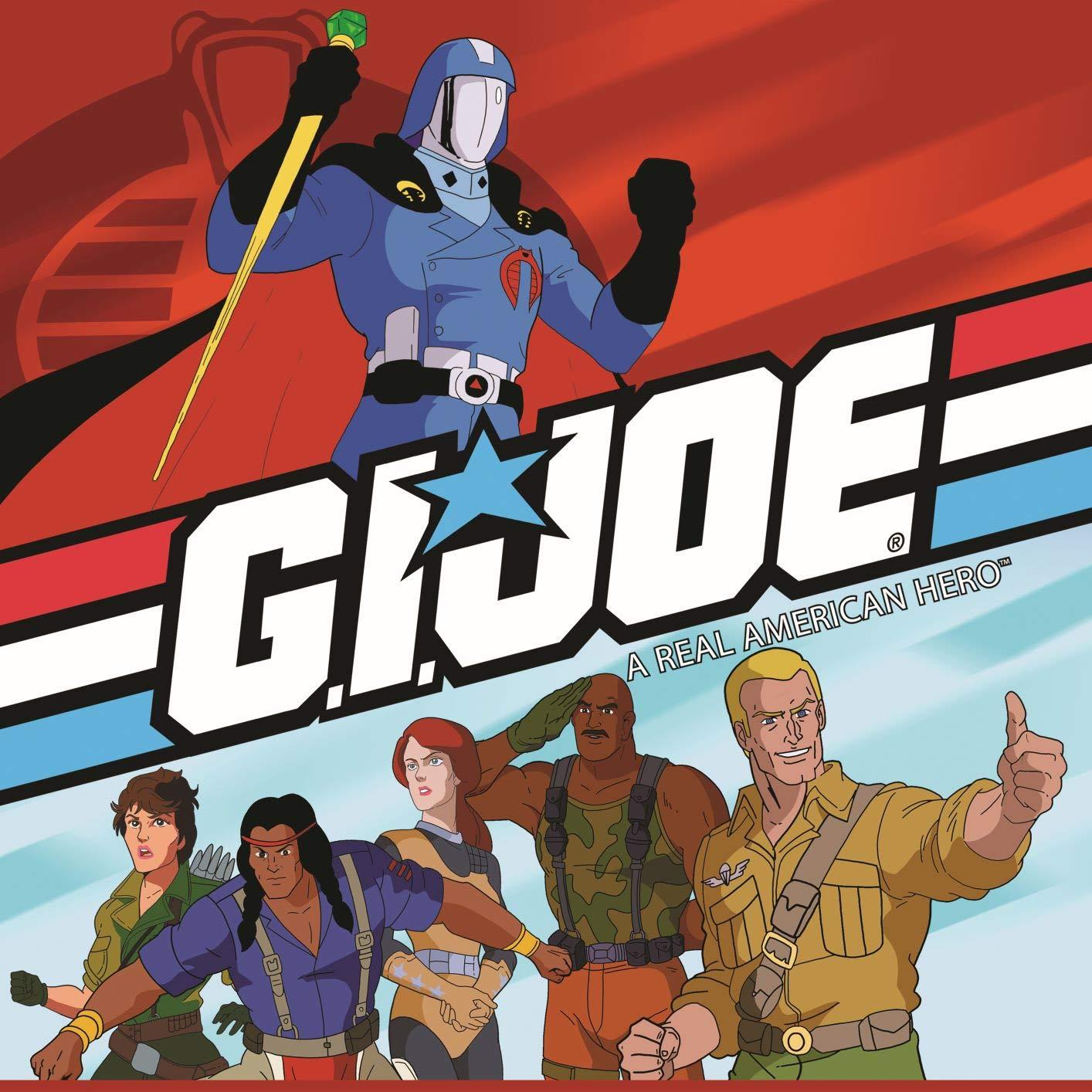
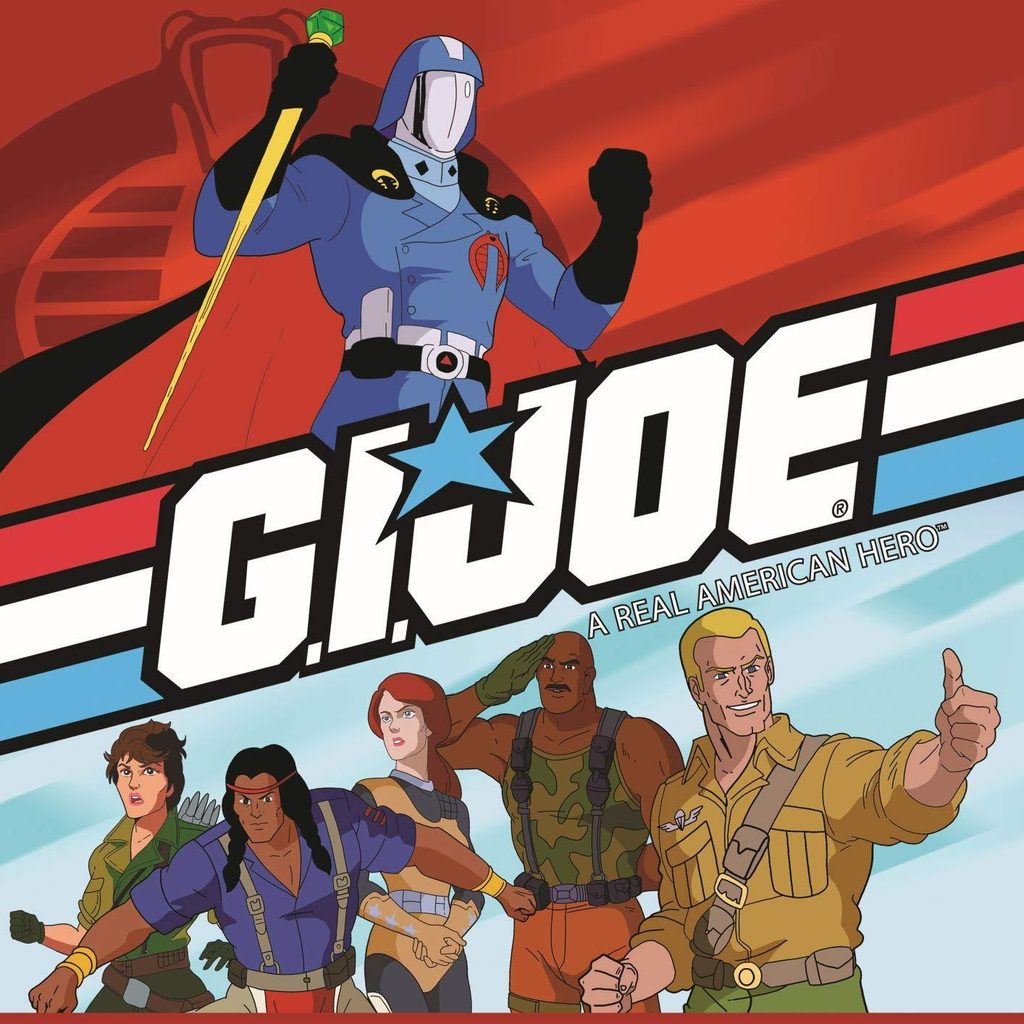
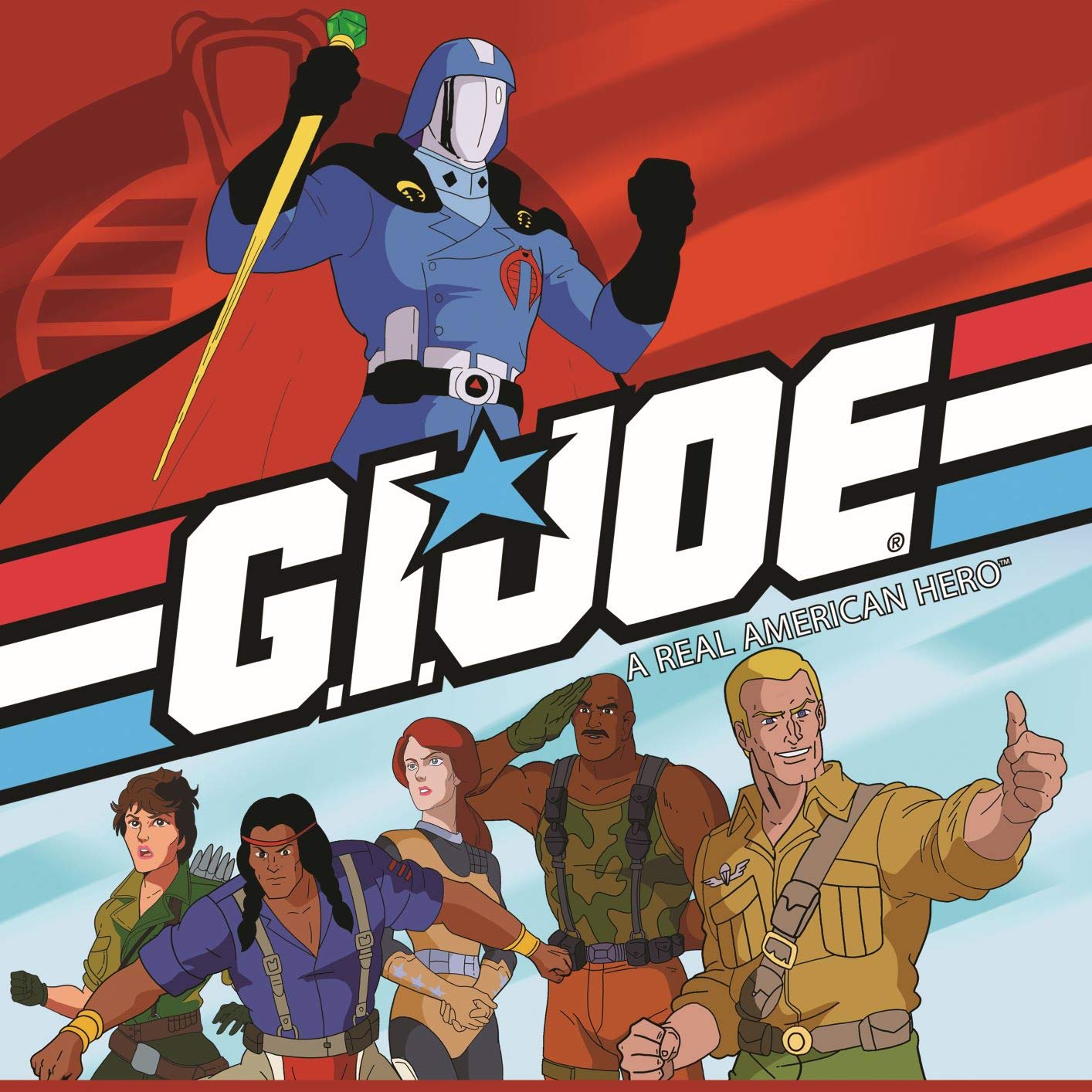
When I started writing Protocol: G.I. Joe, I knew most of these characters. They had been around for forty years, and through comic books, cartoons, movies, and my backyard play, they had been fleshed out with a lifetime’s worth of character development to draw from. With Protocol: G.I. Joe, I wanted to give characters like Duke, Scarlet, Snake Eyes, and even Cobra Commander my own take without taking anything away from them. This turned out to be easier than I thought. By drawing on their pasts and history, I could give the audience a take on characters who have grown, been affected by, and shaped by those events. I could pay tribute to everyone who has written these characters and add to their lineage. And for me, at least, there is no greater pleasure than that… except adding my own characters to their stories.

For Protocol: G.I. Joe, I created a dozen or so new characters and brought in several obscure characters most Joe fans may not even know exist. One of my favorite characters I created was Ashwiyaa Iron-Knife. She is the daughter of Sergeant Charlie “Spirit” Iron-Knife and Aiyana Iron-Knife. When I first started writing Protocol: G.I. Joe, I knew I didn’t want to just continue the story or rewrite what already existed. I wanted to start the story after G.I. Joe had been around for a while, so the characters had lives, and, in some cases, children.
For me, I have always loved Spirit, and how his heritage was an essential part of his character, even in the cartoon, so I wanted to dive into that even more. Despite it hurting me, and knowing fans would rage, I made the decision that Freedom had died. Like in Soul Reaver, with Christian’s name, Freedom’s death unintentionally became a metaphor for the overall story. My intention, however, was more spiritual, and a passing of the torch, if you will.
Without revealing too many spoilers, I will only say that after the passing of her mother, and Spirit’s companion, both father and daughter needed each other more. The moment at the summit of Mount Everest isn’t just about Ashwiyaa receiving the name of Freedom. It is about the spiritual bond the Taos Pueblo people have with the world and their connection to it. As a writer, it was a pleasure and an honor to share this moment with the world, and breathing life into a character is a profound experience.

Taking a character’s life is just as moving. If you think it’s hard to read, watch, or experience a character’s death as an audience member, it’s just as hard, if not more so, for the writer, or at least for me. I can’t speak for other writers, but killing a character is the hardest part of writing. I do everything I can to avoid killing my characters. Look, I don’t want them to die, and I certainly hate having to kill them. It’s like I’m murdering someone I love. Yes, I know sometimes it’s necessary… well, it’s always necessary. If it wasn’t, there would be no reason to kill the character.
A character can die for many reasons in a story. Often, it is because the writer wants the audience to understand how serious a situation is. Killing an essential character shows the audience that no one is safe, raising the stakes. Another is to move the story along, or bring characters together, or… insert one of a thousand other ways here. BUT it has to matter. If it doesn’t break the writer’s heart to kill off a character, it sure as hell will not affect the audience.
In my A Vampire’s Desire series, I have one character I have tried and tried not to kill. Every time I reach their death, I break down, but I know it has to happen. Thank god I am long-winded and had to split the story into two books, so I get to live with them even longer. In Angel Dust, my job as a writer was to keep the character I killed off on page one alive for the rest of the book. Protocol: G.I. Joe may have the most deaths… Yeah, I know that’s weird to say when one book is literally called “Soul Reaver” and is about a vampire, but most of the characters I killed in that book still have a voice after death. In Protocol: G.I. Joe, like in real war, when you die, you don’t come back. That’s why one of my favorite passages in the entire book comes from Beach Head, while attending a funeral for the fallen Joes.
“As Beach Head approached Private First-Class Wanda Davis’s family, he noticed Wanda’s ten-year-old brother, Adam, clutching an Action Force Action Figure. The Hasbro Toy Company released these toys in the early 1980s to coincide with the cartoon. Beach Head couldn’t help but smile at the toy. He had spent many hours setting up his figures and leading them into battle. Real-life war was not how he had imagined it as a child. Back then, when a soldier was injured or died in the line of duty, they were revived the next time he opened his toy chest or set them back up. Now, he was about to bestow upon the parents of a soldier he barely knew the final honor Wanda would receive for his service.”
When I wrote that, it couldn’t have been more profound. As kids, even us “adult kids” who still play with our toys, we set up our figures and have battles. They fight, shoot, maim, and kill each other, but at the end of the day, we put them away to start the entire battle over again another day. For most characters, like in real life, there is no coming back. Once they’re dead, they’re dead, and not even the writer can bring them back… usually. The nice thing about writing a story like Protocol: G.I. Joe is that you can reuse a codename. Much like I did with Ashwiyaa in Freedom, or Doc (you’ll have to read that one), I could pay tribute to the fallen character by honoring their legacy through a new character.
Hasbro regularly asked Larry Hama to add many new characters to the G.I. Joe ranks each year, and for the most part he couldn’t kill off characters because of their toy sales, so Hama often introduced new characters only to kill them off by the end of the issue.
“When you are dealing with a continuity that involves over two hundred characters, you have to start trimming, or you go crazy. I thought it was pretty unrealistic to kill off all the unpopular characters, so I decided to terminate a few that I actually liked with extreme prejudice.” –Larry Hama
At times, Hama needed to “thin the ranks” or shift leadership, so he killed off established characters. This was especially clear in the dramatic events of G.I. Joe: A Real American Hero issue #19 with the deaths of Qwinn and General Flagg, as well as issues #109 and #110, known as the Benzheen Affair. Instead of having characters quietly retire or get promoted, Hama surprised readers with sudden deaths, even of popular characters like Doc, Breaker, and Quick Kick. This made the story feel more intense and, as I said, showed the real effects of war.

As a writer, especially when you are writing in someone else’s world, you are a steward of those characters, and you’re responsible for treating them with the same love and respect you would give your own. It was my absolute honor and pleasure to write a G.I. Joe story, and I hope the fans feel that as they read Protocol: G.I. Joe.
I love creating characters. Whether it’s an unlikely character on a hero’s quest, a villain who wants to see the world burn, or a superstar who returns home to find more than the love she left behind. Each character I create is special to me, from the nameless “NPC” wandering around to fill out the world to the main characters who have lived, loved, and lost. They are all my children, and as a parent, I feel comfortable saying that because if they weren’t, my audience wouldn’t care about them.