
37 YEARS OF PAIN: BLOOD, SWEAT, BROKEN GLASS AND THE MAKING OF VAN DAMME’S KICKBOXER
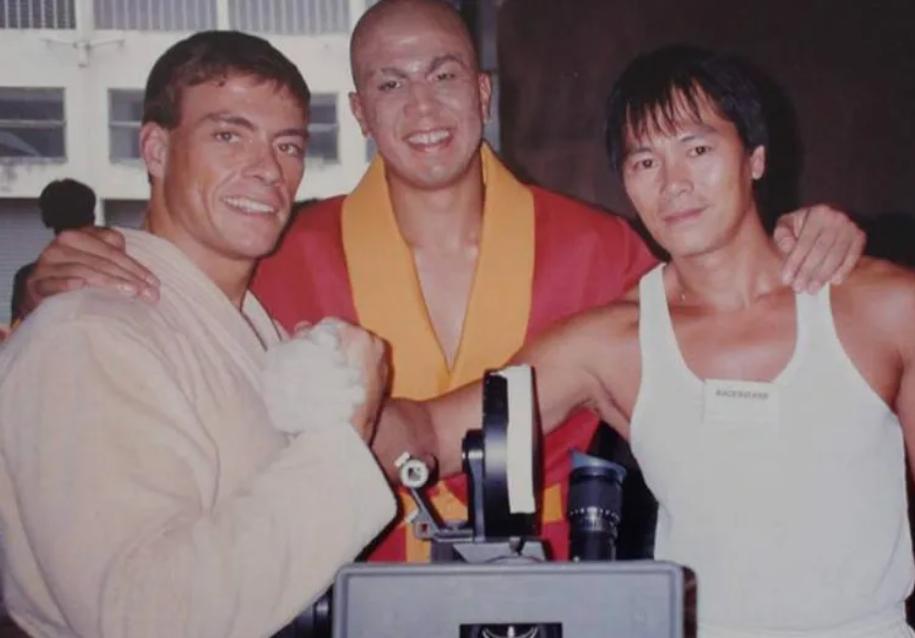
By the fall of 1989, Jean-Claude Van Damme was no longer simply another martial artist trying to break into Hollywood. Bloodsport had made audiences notice him, but Kickboxer helped turn the “Muscles from Brussels” into a full-fledged action star. What makes the movie even more fascinating today is how much of Van Damme’s own personality, athletic background and creative influence ended up on the screen.
Kickboxer was produced by Kings Road Entertainment, with Mark DiSalle producing and sharing directing credit with David Worth. Van Damme was far more involved than a typical leading man. He received story credit alongside DiSalle and is also credited for choreographing and directing the fight scenes. Worth later confirmed that Van Damme handled most of the fight choreography because martial arts was his specialty. Worth has also said that he storyboarded the production, supervised the casting and directed the shoot, while DiSalle’s shared directing credit became a point of disagreement later in the process.
Production records place the shoot in 1988, with filming in Thailand and Hong Kong. Thailand was not merely an exotic backdrop. Bangkok and historic Ayutthaya supplied much of the movie’s atmosphere, including temples and ruins used for Kurt Sloane’s training. Thai location sources identify places including Ayutthaya Historical Park, Wat Phra Si Sanphet, Wat Ratchaburana, the Chao Phraya River, Patpong, Sanam Luang and Wat Pho among the locations connected with the production. That use of real locations gave Kickboxer a texture that studio-bound martial-arts films rarely matched.
One of the film’s greatest accidents of casting became one of its biggest strengths. Tong Po was played by Michel Qissi, Van Damme’s longtime friend and training partner. Director David Worth recalled that Qissi wanted the role, but he initially did not resemble the villain the filmmakers had imagined. The makeup department tried a bald skullcap on him, and Worth immediately saw the frightening silhouette he wanted. The cap looked artificial, so Qissi shaved his head. Heavy facial makeup completed the transformation.
Worth also designed the unforgettable introduction in which Tong Po repeatedly kicks a concrete pillar, establishing the villain’s brutality before he has to say much of anything. It remains one of the most effective villain introductions in 1980s martial-arts cinema.
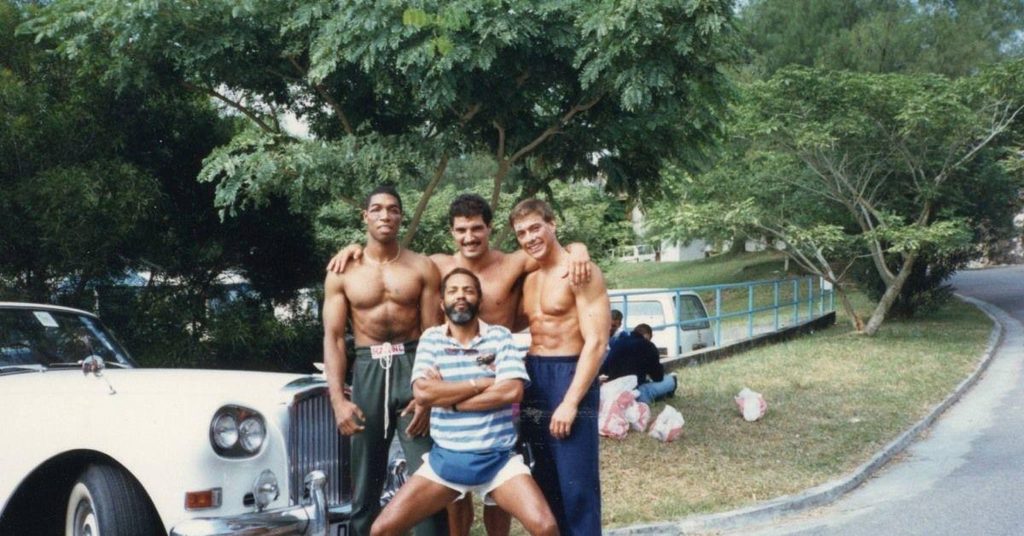
Another layer of authenticity came from Dennis Alexio, who played Kurt’s brother Eric. Alexio was not simply pretending to be a champion: he was an accomplished professional kickboxer who had held major titles in the sport. Casting a legitimate fighter opposite Van Damme gave the opening bouts a harder, more convincing edge.
Even one of Kickboxer’s funniest moments has a revealing backstory. Worth has said that the famous drunken dance sequence was largely Van Damme’s idea. Van Damme had studied ballet, and his unusual combination of flexibility, rhythm and martial arts became part of his appeal. The scene may be comic relief, but it demonstrates exactly what separated him from the more rigid action stars of the era.
The music became just as inseparable from the film. Paul Hertzog composed the score, while Stan Bush performed songs including “The Streets of Siam,” “Fight for Love” and the closing anthem “Never Surrender.” That unmistakable late-1980s soundtrack helped transform a straightforward revenge story into a time capsule.
More than three decades later, Kickboxer remains gloriously simple: training, revenge, honor and one terrifying opponent. Yet behind that simplicity was a production built around real martial artists, international locations and a star determined to shape every kick, split, dance step and dramatic beat. Its rough edges are part of its charm, and fans still celebrate them.
That combination is why KICKBOXER still lands.
The early scenes felt quite different from the final product. A specific stunt sequence in the first cut looked considerably more complex.