Hollywood’s Creative Graveyard: Now Featuring – a Sequel!
Hollywood’s Creative Graveyard: Now Featuring – a Sequel!
Dead ideas, corporate cowardice, and the terrifying reality that someone in Hollywood just might have an original thought.
There was once a time when Hollywood produced films that made us question reality, contemplate existence, and occasionally sleep with the lights on. Now? We get Fast & Furious 47: The Nursing Home Drift. Hollywood has developed a peculiar addiction. Not cocaine. That was the ’80s. No, something far more sinister. Nostalgia. Specifically, digging up beloved franchises, electrocuting their corpses, and parading them around cinemas like some grotesque cinematic Weekend at Bernie’s.
And why? Money, darling. Mountains of the bloody stuff. It’s always about the green.
Financial Risk Mitigation: The Almighty Dollar.
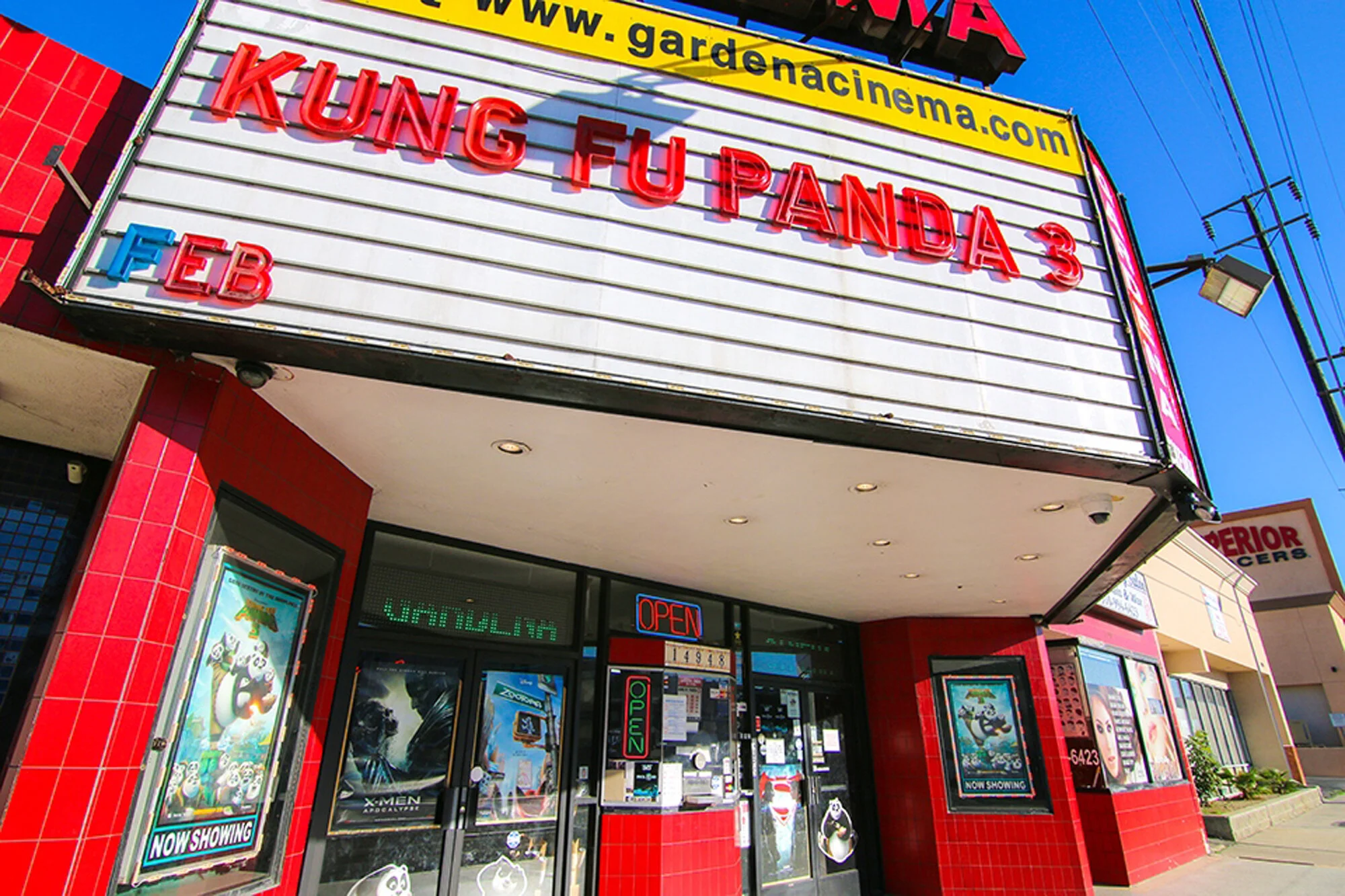
From Hollywood’s perspective, recycling intellectual property makes perfect financial sense. Established franchises have recognizable characters, built-in audiences, and decades of emotional attachment. Why gamble $200 million on an unfamiliar concept when you can slap a familiar logo onto a mediocre screenplay and watch nostalgia do the marketing? It’s called financial risk mitigation. A perfectly respectable business strategy provided your business involves creatively embalming things that should have remained dead.
Sequels, remakes, and cinematic universes also offer merchandising opportunities, international recognition, and relatively predictable marketing campaigns. Occasionally, they’re even brilliant. Top Gun: Maverick demonstrated that revisiting familiar territory can produce something genuinely entertaining.
Credit where it’s due.
Even a broken clock occasionally summons the correct demon.

Financial Risk Mitigation: The Other Side of the Coffin.
Unfortunately, playing it safe carries its own risks. Audiences eventually develop what is called “franchise fatigue” This happens a ton with our superhero films. Shocking, I know. Apparently, watching the same guy save the same universe from another suspiciously purple apocalypse gets tiresome after the seventeenth attempt.
And those enormous production budgets? They’re not exactly helping.
When a recycled blockbuster fails, studios can lose spectacular amounts of money. Meanwhile, original filmmakers struggle for funding because executives regard unfamiliar ideas with the same enthusiasm medieval villagers reserved for the plague rats.
The result? Creative stagnation. Fewer fresh stories. Less artistic experimentation. An industry increasingly terrified of the very imagination that built it.
Meanwhile, the Indies Are Having a Bloody Field Day

Enter independent creators. Armed with modest budgets, unconventional ideas, and the audacity to make something Hollywood hasn’t already made six times.
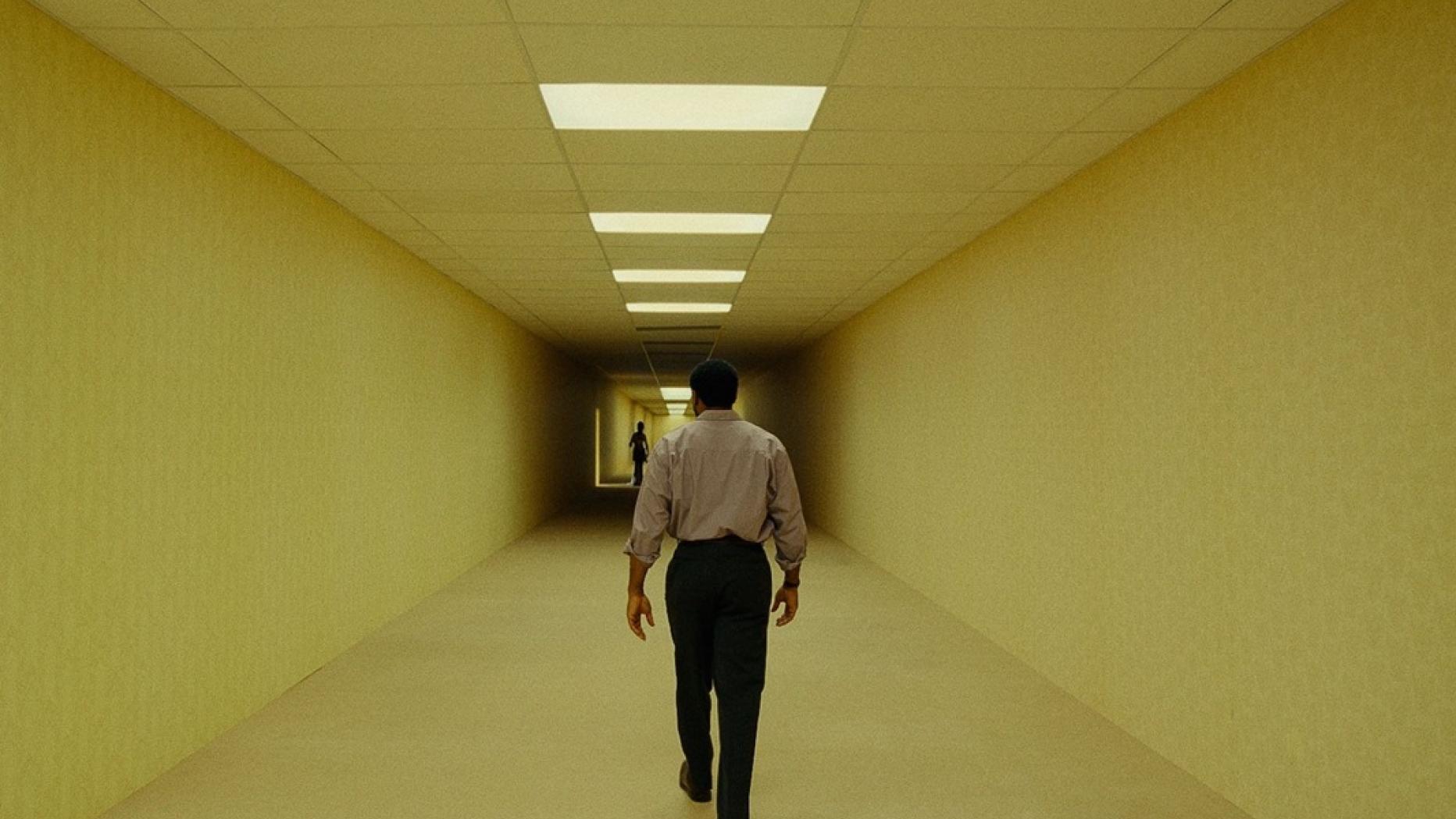
Projects like Obsession and Backrooms illustrate the growing fascination with horror emerging outside traditional studio pipelines. Backrooms, in particular, grew from Kane Parsons’ unsettling YouTube creations (web series), proving that a young filmmaker with imagination and digital tools can attract enormous attention without first sacrificing his soul to a team of boardroom execs. Obsession was not too dissimilar a tale.
Independent horror can generate extraordinary returns relative to its budget, sometimes outperforming far more expensive studio productions on that measure.
And that’s the delicious irony. Hollywood spends fortunes manufacturing spectacle, while independent creators can frighten millions with an empty hallway and fluorescent lighting.
Of course, independent filmmaking has disadvantages. Limited financing, distribution difficulties, and inadequate marketing can bury wonderful films before audiences discover them. Creative freedom doesn’t pay the electricity bill. Annoying, that.
AI: The New Monster Under the Studio Bed

As though creative bankruptcy wasn’t enough, artificial intelligence has entered the conversation, wearing a suspiciously human face.
Studios see potential savings in AI-generated imagery, digital performers, and automated production work. Actors, writers, artists, and other creatives see something considerably less charming: fewer jobs, threatened compensation, and contracts requiring increasingly careful protections against digital replication.
An actor’s likeness can potentially become a reusable asset. Imagine being replaced by your own face while an algorithm collects the applause.
Technology can certainly help independent creators produce ambitious work affordably. But when studios use it primarily to eliminate human labor, audiences may reasonably wonder why they’re paying premium prices for synthetic entertainment.
The machines aren’t necessarily destroying creativity. The executives holding their leashes might be doing that quite efficiently themselves. All while lining their pockets and sitting comfortably in their yachts.
The Final Nail in the Cinematic Coffin
Hollywood should absolutely embrace more original storytelling. New characters. Unfamiliar worlds. Risks worth taking. That’s how tomorrow’s beloved franchises are born, for God’s sake.
Will it happen? Occasionally. Consistently? Don’t hold your breath. Shareholders prefer predictable revenue to artistic bravery, and executives rarely receive bonuses for magnificent failures.
Until that changes, independent creators will keep exploiting the creative vacuum Hollywood has so generously provided.
And somewhere in a windowless boardroom, twelve executives are undoubtedly discussing a gritty reboot of The Wizard of Oz. This time, Toto has an origin story. And a cinematic universe.
May the Gods (or God) help us all. We’re going to need it.
-Willa J. Rabideau
PS. Share what some of your favorite Non Major Blockbuster Films, that may or may not have made it big?
What are your thoughts on AI using our faces/voices to create content?