
The Cultural Significance of Ali G
Story by @GIJoeRepairShop
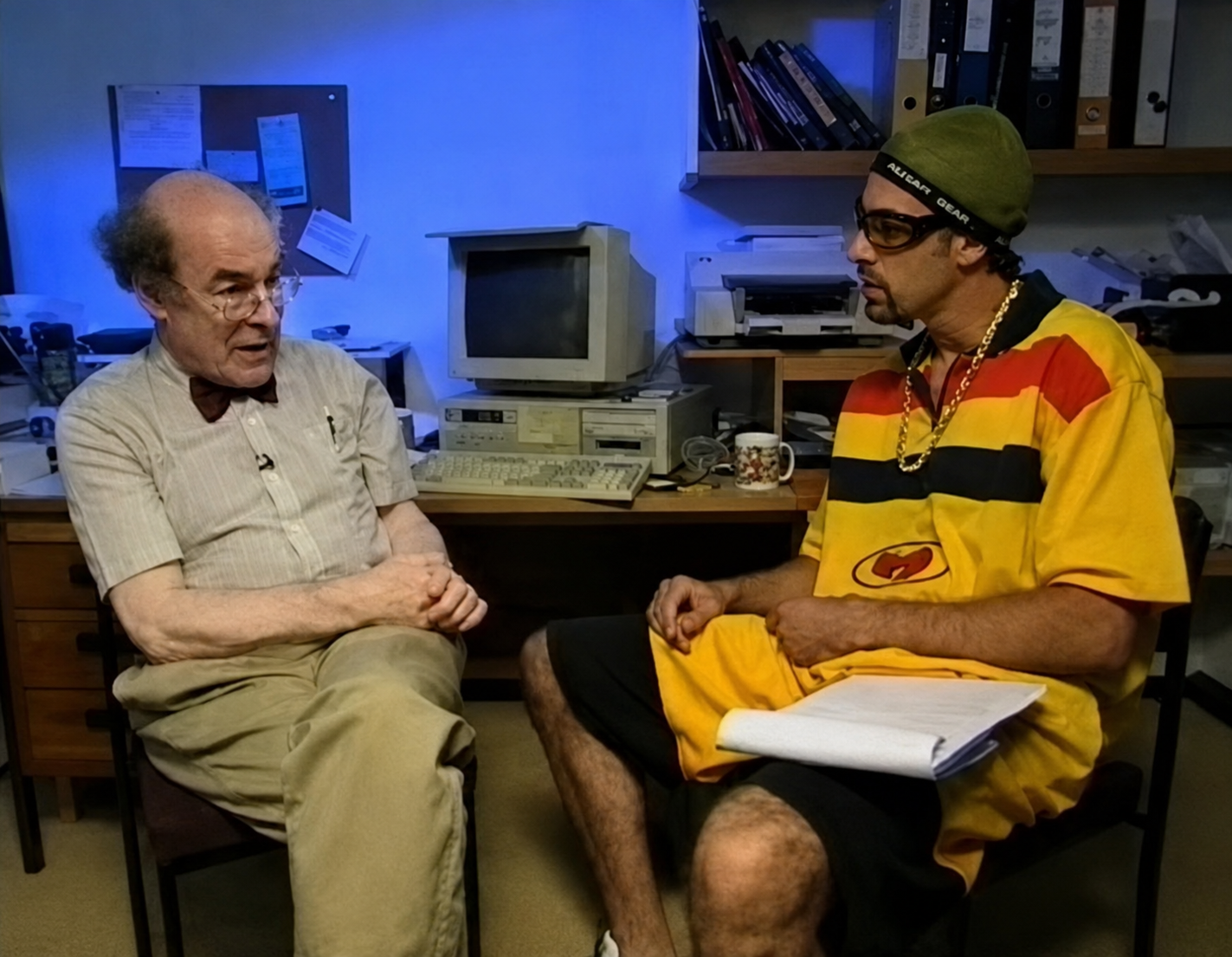
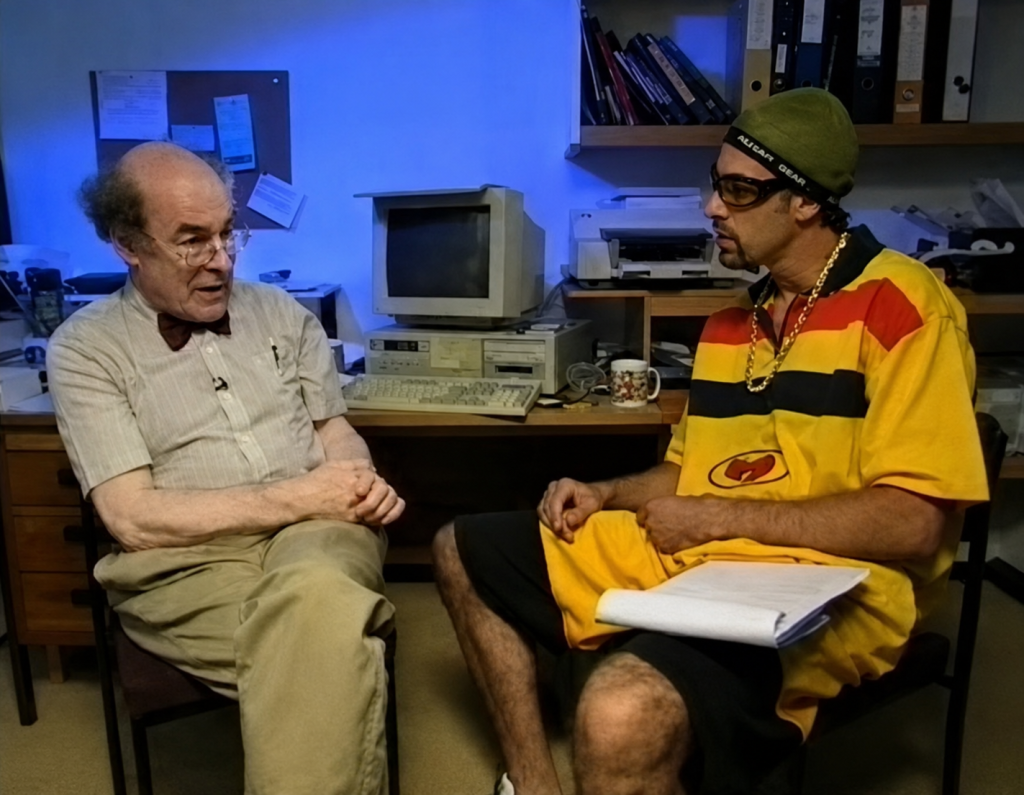
In 1999, I was living in southern England. Three nights a week, there was a television show on called “The 11 O’Clock Show.” It struck me very much like a British version of “The Daily Show.” It featured a collection of then-unknown British comedic talent, such as Ricky Gervais, who would go on to revolutionize British comedy with shows like “The Office,” “Extras,” and “After Life.” It also featured a young Sacha Baron Cohen. His character, Ali G, was the “voice of da yoof” correspondent on the show. Ali G delivered absurd man-in-the-street-style commentary and interviews with unsuspecting public figures and politicians. Eventually, Ali G became a comedy legend, with his own HBO show (interviewing American public figures) and his own Hollywood movie.

I was amazed and thankful when I learned this week that Ali G will return to movie theatres again on October 23, 2026 with his latest movie, titled “Who Iz I?” So, why is Ali G such a big deal? Why should anyone care about a guy dressed up as a pretend gangster who claims allegiance to the West Staines Massive? In reality, the character of Ali G makes us look at the absurdity of our own solicety and the norms that we’ve put in place to maintain the status quo. Much like Barron Cohen’s other characters, Borat and Bruno, a lot of Ali G’s appeal is in the reaction that he elicits from those around him, sometimes by his gross misperceptions, and sometimes by his well-timed insights.

When joining a group of environmental protesters, he asked whether or not he’d have the opportunity to fight the police. A protester calmly explains to Ali G that violence doesn’t solve anything. Ali G continues to insist that it does, until the man asks in what sort of situation violence would be appropriate. Ali G quickly responds, “in a violent one.” Through his quick wit, he reminds the viewer that pacifism has its limits and that the world can be a violent place.

When Ali G interviewed Lord Charles Hindlip, the head of Christie’s auction house, he begins by telling his audience that “art ain’t just for ponces and people who is a bit stiff.” However, they go on to discuss artist Chris Ofili, the winner of the very prestigious Turner Prize in 1998. Ofili won the prize for his paintings that incorporate elephant dung. Ali G informs Lord Hindlip that he did the same thing with a piece of dog poo on a wall and got a police caution for it! He lays bare the absurdity of the art world, all in an hilarious three-minute clip.
Other classic interviews involve Ali G trying to convince a former Education Secretary that the metric system is useless, asking a feminist author “which is better: man, or woman,” and trying to get Donald Trump’s investment for a glove to be worn while eating ice cream. Ali G, one interview at a time, exposes the prejudices and absurdities in our society by just asking simple questions. I can’t wait to see what this new movie is about and look forward to following him on his brand new social media accounts. Booyakasha!
That’s a great point about how early shows like this helped launch those careers – it really shaped British comedy as we know it.