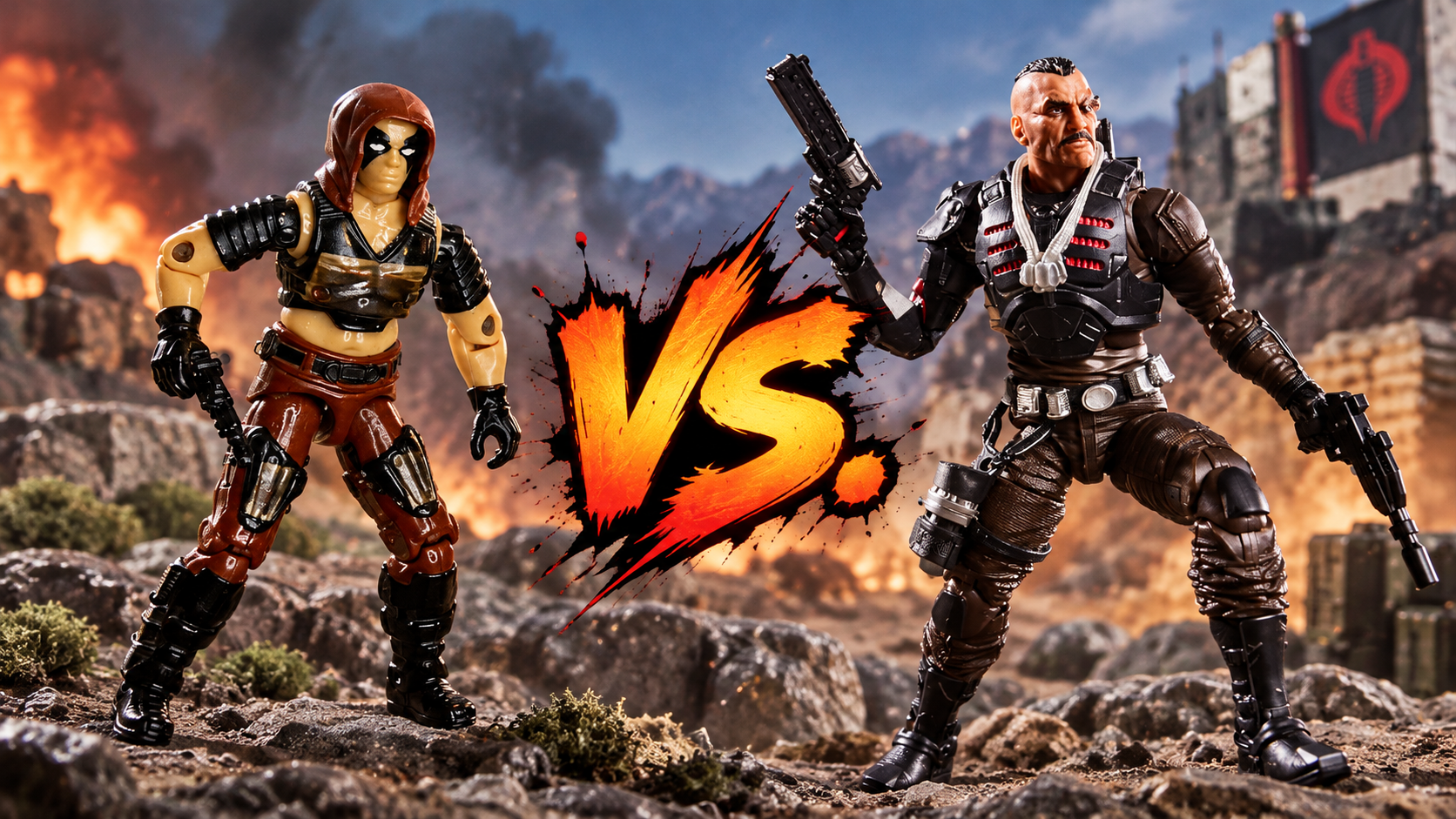
G.I. Joe Classified vs. O-Ring: Did It Lose Its Soul?
By Serpentor’s Lair Editorial Staff | October 15, 2026
There is a question hanging over the G.I. Joe community that nobody at Hasbro can answer with a sales chart: When G.I. Joe grew from 3¾ inches to six inches, did the figures become better—or did the experience become smaller?
Before the torches come out, this is not another article telling Classified collectors they are somehow less devoted to G.I. Joe. That would be ridiculous. Some of the most passionate fans in the hobby build spectacular Classified displays, take extraordinary toy photographs, and keep the franchise visible every single day. But loving the new line does not require pretending it delivers the same experience we had in 1985.
Because it doesn’t. And maybe that’s the real controversy.
The Original G.I. Joe Was Never Just an Action Figure
In 1982, Hasbro reinvented G.I. Joe as A Real American Hero, a 3¾-inch action-figure line supported by vehicles, imaginative character profiles, a Marvel comic, and eventually a landmark animated series. The scale was no accident. Small figures meant larger worlds could fit under a Christmas tree, on a bedroom floor, or across the backyard. The line’s 1983 swivel-arm improvement made those tiny soldiers even more capable of gripping equipment and acting out missions.
The figures were the people; the vehicles were the stage. A VAMP wasn’t merely something to park behind Clutch. It could launch a reconnaissance mission. A H.I.S.S. Tank wasn’t just a collectible with a Cobra logo. It was a genuine threat to your entire imaginary battlefield. And the U.S.S. Flagg wasn’t simply an enormous playset—it was a piece of childhood real estate that could turn an ordinary bedroom into an ocean theater.
You did not need a dedicated display room. You needed a mission, a handful of figures, and enough floor space to start World War III between G.I. Joe and Cobra before dinner.
This was the genius of the O-ring era. Its value wasn’t measured in sculpted wrinkles or realistic fabric textures. It was measured in possibility.

For an in-depth look at the original 1982 figures, explore 3DJoes’ documented 1982 figure archive.
Classified Fixed Problems We Didn’t Know We Had
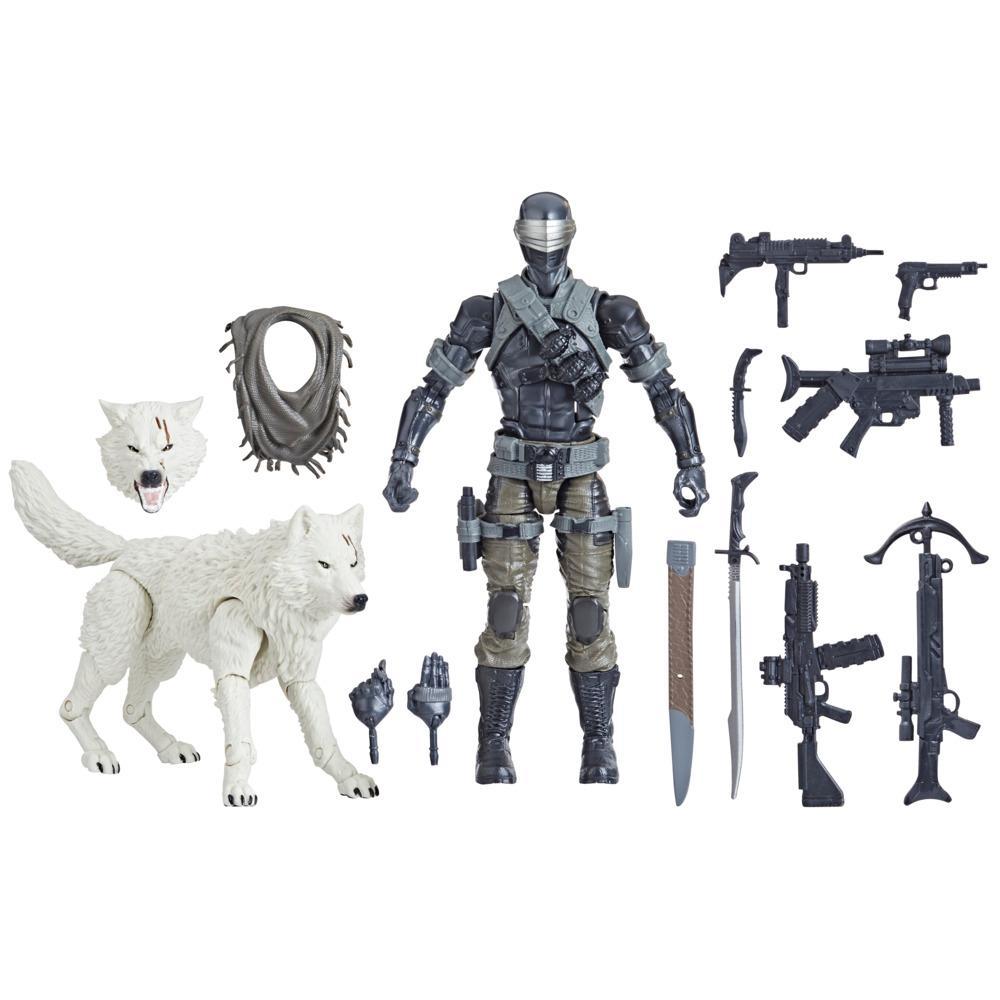
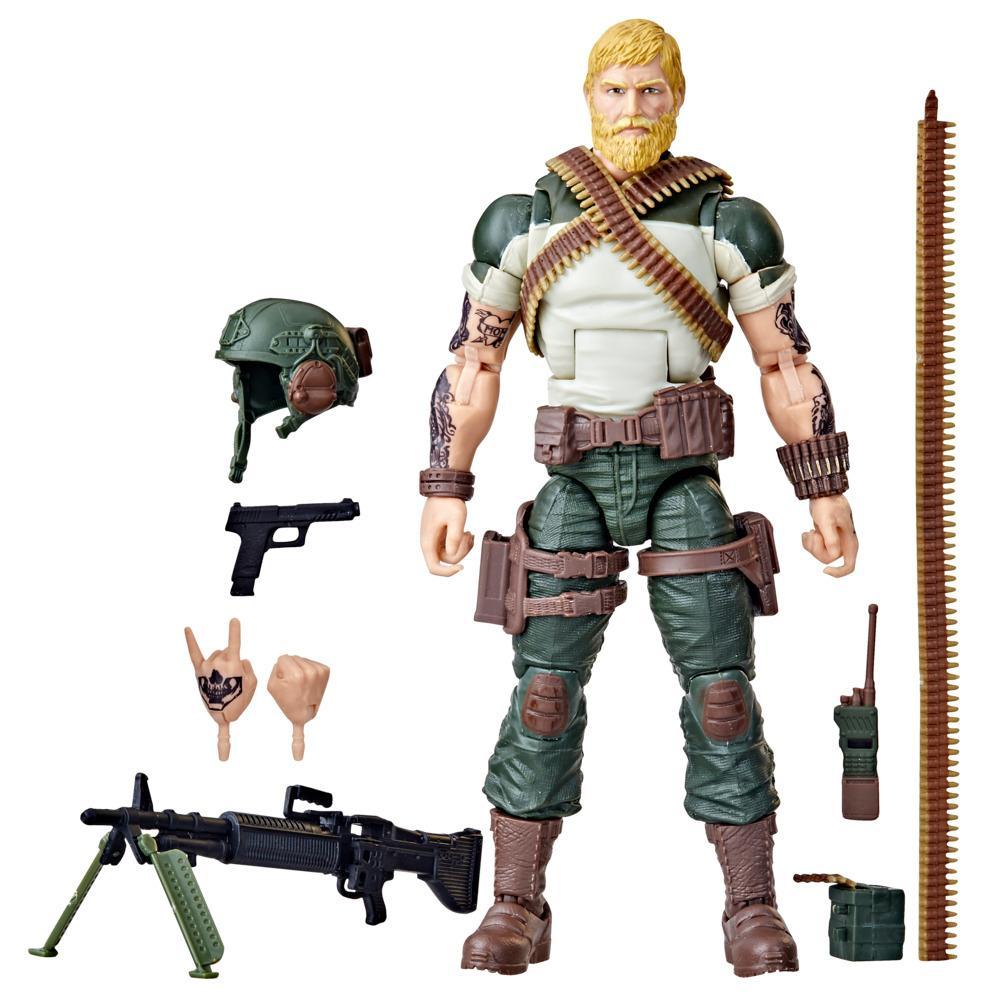
Jump to 2020. Hasbro launched the G.I. Joe Classified Series, translating familiar heroes and villains into a modern 6-inch format. The transformation was not subtle. Characters could have far more detailed uniforms, expressive portraits, elaborate accessories, and the kind of articulation that makes toy photography feel like a movie still.
And we should acknowledge the obvious: many Classified figures look fantastic. Snake Eyes and Timber can form an impressive action display. Rock ‘N Roll can arrive with gear that helps tell you exactly who he is before you read a single file card. Sculptors and designers have produced versions of characters that longtime fans once could only imagine.
There is also a legitimate argument that Classified helped restore G.I. Joe’s place in mainstream adult action-figure collecting. The line gave returning collectors a new entry point, offered fresh versions of favorite characters, and put G.I. Joe on shelves next to other premium six-inch franchises. None of that should be dismissed because the figures no longer fit inside a 1980s Skystriker.
But winning the detail contest is not the same thing as winning the G.I. Joe contest.
Here’s What Six Inches Took Away
Scale changes everything. Put a 3¾-inch figure beside a jeep and the vehicle is feasible for a child’s play space. Increase that figure’s height to six inches and every compatible tank, aircraft, and headquarters becomes dramatically larger. More material, more shelf space, more expense, more difficult choices about what can realistically be made and owned.
Yes, Classified has delivered vehicles, including impressive examples that prove Hasbro understands their importance. But a giant premium vehicle becomes an event purchase. In the vintage era, vehicles formed the everyday language of the line. They weren’t exceptional additions to the world; they were the world.
Think about the difference between lining up a dozen O-ring figures in front of a Terror Drome and arranging a dozen Classified figures across a collector’s shelf. Both can be spectacular. Only one is automatically part of an interconnected childhood-scale battlefield.
That distinction is not sentimental nonsense. It is an actual difference in product design. One format encourages a sprawling system of figures, vehicles, bases, and rapid-fire role-play. The other excels at detailed individual characters, posed scenes, and curated displays. Both encourage imagination, but they give it different tools.
We gained cinematic detail. We sacrificed some practical scale. Pretending there wasn’t a tradeoff does a disservice to collectors on both sides.
The File Cards Made Tiny Plastic Figures Feel Alive
Another truth gets lost whenever the debate becomes a technical comparison. The soul of A Real American Hero wasn’t hiding in an elastic band. It came from a marriage of toy engineering and storytelling.
A character’s specialty, hometown, personality, and rivalry could be communicated on the back of a package before that character ever appeared in animation. Larry Hama’s work helped make a sprawling collection of plastic soldiers feel like a team of distinct individuals. Then the comics and cartoon expanded those personalities in sometimes very different directions.
That mattered. You didn’t simply own Beach Head or Flint. You knew what kind of mission each one should lead. You didn’t simply buy a Cobra troop builder. You invented a dangerous job for him and gave the Joes a reason to stop it.
Modern packaging, biographies, and digital fan communities can still build those stories. But when nostalgia-minded collectors say the old line had more soul, this may be what they’re struggling to describe: every purchase once felt like acquiring another character for a world that was already in motion.
For many adult buyers, opening a modern figure is the final act of a purchase. In childhood, opening the package was merely the beginning.
Let’s Be Fair: The O-Ring Era Wasn’t Perfect
If we are going to challenge Classified, we should challenge our own childhood memories, too.
Vintage G.I. Joe figures could develop cracked elbows, broken thumbs, loose joints, and failing O-rings. Accessories vanished into carpet. Some reused parts were obvious. The earliest 1982 figures didn’t even have the familiar swivel-arm articulation that followed in 1983. And no matter how amazing a classic vehicle looked on the box, finding room for it could be an adventure in itself.
The old line was built for play, and play takes a toll. Today’s collector-quality detailing, improved proportions, expressive poses, and sharp paint applications are not meaningless luxuries. They are the result of decades of toy design progress, and fans deserve to enjoy them without being told that nostalgia is the only legitimate standard.
Furthermore, not everyone collecting Classified grew up with a mountain of 1980s vehicles. For someone who discovered G.I. Joe later, the six-inch format may be the version that made the franchise personal. Why should that experience count for less?
It shouldn’t.
The O-Ring Format Refuses to Stay Dead
Here is where the argument gets especially interesting in 2026: the classic scale still inspires new projects. Operation: Recall is developing original O-ring action figures with contributions from veteran G.I. Joe creators, including Ron Rudat, Mark Pennington, Doug Hart, and Larry Hama. Its Year Two campaign is funding additional characters. It is a separate, independently developed brand—not an official new G.I. Joe wave—but its very existence says something significant about what collectors miss.
The audience isn’t simply asking for smaller versions of Classified characters. It is supporting a method of collecting and playing rooted in the original design philosophy: small figures, distinct identities, accessories, ongoing waves, and a connected world.
That does not mean the market has rejected Classified. It means two different kinds of G.I. Joe-era magic can exist at the same time, and there are enough passionate collectors to keep both conversations alive.
Read more about the project through Operation: Recall’s official website and Serpentor’s Lair’s Operation: Recall Year Two coverage.
So Did G.I. Joe Actually Lose Its Soul?
Here’s the answer that will make somebody on each side furious: Classified did not destroy G.I. Joe’s soul. But it absolutely changed where that soul lives.
In the O-ring years, the magic often happened between the products: the jeep chasing the tank, the rescue helicopter approaching a backyard fortress, the rescue mission that ran halfway through the house because the floor had become an entire continent. The line’s genius was that the pieces built a world bigger than themselves.
In Classified, much of the magic happens inside the products: the sculpt, the accessories, the character-specific details, the photograph, the display. A brilliant Classified figure can be a complete statement all by itself. A brilliant 1980s G.I. Joe figure often begged you to find out what happened next.
That isn’t proof that one generation loves G.I. Joe more. It is proof that the same franchise can be designed around different priorities. The uncomfortable question is whether Hasbro, in pursuing a more premium collectible, moved too far from the affordable, interconnected play system that made A Real American Hero extraordinary in the first place.
My answer? In some important ways, yes.
But the solution isn’t to sneer at six-inch collectors or insist everyone return to fragile vintage figures. It is to remember that G.I. Joe is at its best when characters, stories, vehicles, and imagination all reinforce one another—whatever scale you choose.
So I’ll leave you with a question for the battlefield, not the boardroom: If you could keep only one collection—the 1980s O-ring figures and their vehicles, or the modern Classified Series—which stays?
Because the answer might reveal whether you’re collecting the soldiers, the stories, or the feeling of being a kid with an entire war waiting on the bedroom floor.
YO JOE!
Further Reading and Historical Sources: