September 17, 1984: The Day The Transformers Changed Pop Culture Forever
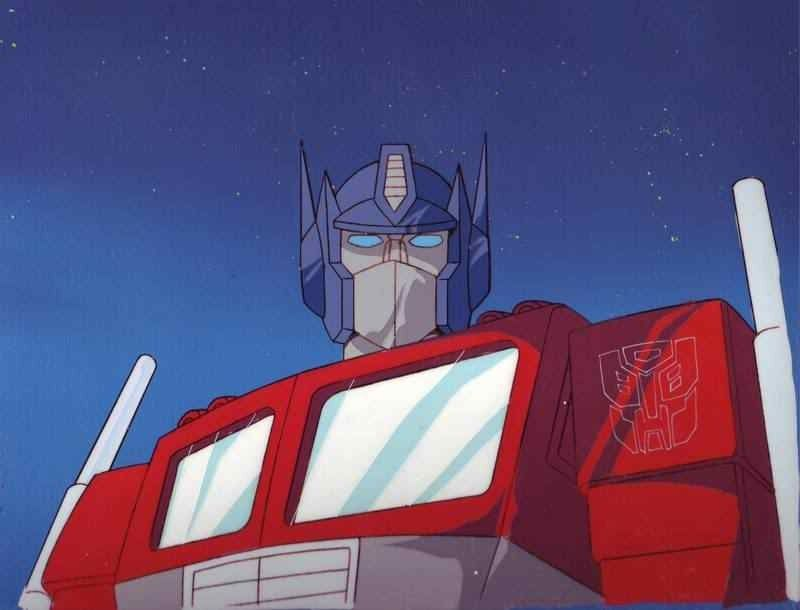
On September 17, 1984, American television audiences were introduced to a war that had already raged for millions of years. Its combatants were not human. They were enormous, sentient machines from the distant planet Cybertron—warriors capable of disguising themselves as automobiles, aircraft, weapons and other machines. On one side stood the Autobots, led by the principled and commanding Optimus Prime. On the other were the Decepticons, ruled by the ruthless Megatron.
The first episode was called “More Than Meets the Eye, Part 1,” and few titles in television history have proved more appropriate. What debuted that day was ostensibly an animated program created alongside a new line of transforming toys. What emerged from it, however, was a mythology that would outlive the decade that produced it, survive repeated reinventions and eventually become one of the most recognizable entertainment franchises in the world.
Today, September 17, 2026, marks exactly 42 years since The Transformers first aired in the United States. Four decades later, the remarkable thing is not simply that Transformers still exists. It is that the world introduced in 1984 still matters.
The opening chapter of The Transformers wasted little time establishing the scale of its story. Cybertron was dying. After years of conflict between the Autobots and Decepticons, the planet’s energy reserves had been depleted. Optimus Prime led a mission into space in search of new energy sources, only for Megatron and his forces to pursue the Autobots aboard their spacecraft, the Ark.
The resulting confrontation sent both sides crashing onto prehistoric Earth. Millions of years passed before the dormant spacecraft awakened. Teletraan I began repairing the Transformers, reconstructing them into forms that could blend into their new environment. Cybertronian warriors became trucks, sports cars, fighter jets, cassette players and military vehicles.
The premise was fantastical, but its elegance was undeniable. The concept gave children something that most action properties could not: two toys in one, connected through transformation. But the animated series gave those objects something far more valuable. It gave them identities.
Before the cartoon, Optimus Prime was an impressive transforming tractor-trailer. After the cartoon, he was Optimus Prime. That distinction explains much of the franchise’s longevity.
Peter Cullen’s performance gave the Autobot commander a combination of strength, dignity and restraint rarely associated with characters created to support children’s merchandise. Prime did not simply issue commands. He sounded as though he understood the consequences of leadership. His sense of responsibility became fundamental to the character.
Megatron, voiced by Frank Welker, provided the perfect counterweight. Where Optimus represented leadership through duty, Megatron represented leadership through power. His objective was domination, and his certainty that he deserved it made him one of the decade’s most memorable animated villains.
Then there was Starscream. Voiced by Chris Latta with unforgettable theatrical contempt, Starscream was ambitious, treacherous and almost comically convinced of his own superiority. His constant attempts to undermine Megatron introduced something surprisingly sophisticated into the Decepticon ranks: internal politics.
Soundwave was cold and methodical. Jazz was effortlessly charismatic. Ironhide was gruff and dependable. Bumblebee was youthful and accessible. Wheeljack was the eccentric inventor. Hound admired Earth. Sideswipe, Sunstreaker, Prowl, Ratchet, Thundercracker, Skywarp, Ravage and Laserbeak all possessed visual and behavioral characteristics that made them identifiable almost immediately.
For a series with such a large cast, differentiation mattered. Children were not simply being asked to recognize different pieces of merchandise. They were being invited to choose favorites, and that emotional connection changed everything.
There is little reason to disguise the commercial foundation of The Transformers. The franchise was created during an era when toy companies and children’s television were increasingly intertwined. Transformers was unquestionably part of that world, but reducing the original series to a long commercial misses why audiences continued caring about it long after many of the original toys disappeared from store shelves.
The cartoon created mythology. Cybertron became more than a place name on packaging. It became a lost home. The Autobots were no longer merely the heroic assortment. They were refugees and soldiers fighting to preserve freedom. The Decepticons were not simply villains packaged in different-colored boxes. They became an organized military force with ambitions, rivalries and personalities of their own.
Even the franchise’s central gimmick—the transformation—became part of the storytelling. A robot changing into a vehicle was not merely a mechanical feature. It was disguise, mobility, strategy and identity. The concept was simple enough for a child to understand instantly and broad enough for generations of writers to reinterpret.
For children who experienced Transformers during its original run, the television series was only half the story. The other half occurred after the television was turned off. A coffee table could become a mountain range. A sofa could become an Autobot command center. A bedroom carpet could become Cybertron. A kitchen floor might become the site of a Decepticon invasion.
There were no animation budgets or running-time restrictions in those battles. Optimus Prime could fight Megatron for hours. Starscream could finally overthrow his commander—or fail spectacularly again. Characters who never met on television could become rivals. Transformers provided the framework, but children completed the world through play.
That relationship between storytelling and imagination was one of the great strengths of 1980s toy culture. The cartoon did not merely advertise the toy. The toy extended the cartoon.
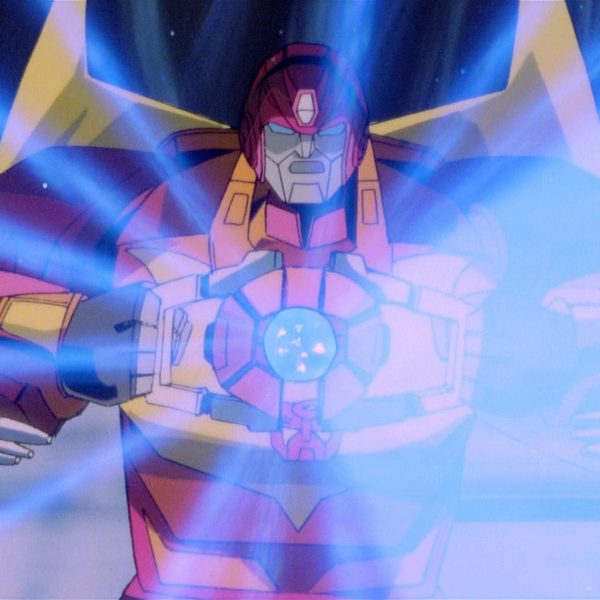
If the original television series established Transformers as a phenomenon, The Transformers: The Movie demonstrated how emotionally invested its audience had become. Released in 1986, the animated feature dramatically expanded the franchise’s universe. The scale became larger, the danger became greater, and new characters including Hot Rod, Kup, Springer, Arcee, Galvatron and the planet-devouring Unicron were introduced.
The film also did something that stunned an entire generation of children. It allowed heroes to die. The death of Optimus Prime has become one of the most discussed moments in 1980s children’s entertainment precisely because it revealed the unusual bond viewers had developed with what was, on paper, a character created to help sell toys.
For children watching the film, Optimus Prime was not merchandise. He was a hero. That emotional distinction is essential to understanding why Transformers survived. Products are discontinued. Characters endure.
Nostalgia unquestionably plays a role in the continued popularity of the original Transformers, but nostalgia alone cannot sustain a franchise for more than four decades. At its core, Transformers contains one of the strongest concepts ever developed for an action property.
It is a story about a race of intelligent machines, a devastated alien world and a civil war fought across galaxies. It centers on characters capable of physically becoming something else and explores themes of loyalty, identity, leadership, power and sacrifice. The premise accommodates almost limitless reinvention.
Transformers can be military science fiction. It can be a space opera. It can be a superhero story. It can be comedic, tragic, futuristic or nostalgic. The characters can be redesigned while remaining recognizable. Every generation can receive its own interpretation of Optimus Prime, Megatron, Bumblebee and Starscream without erasing the versions that came before.
That adaptability is exceptionally rare.
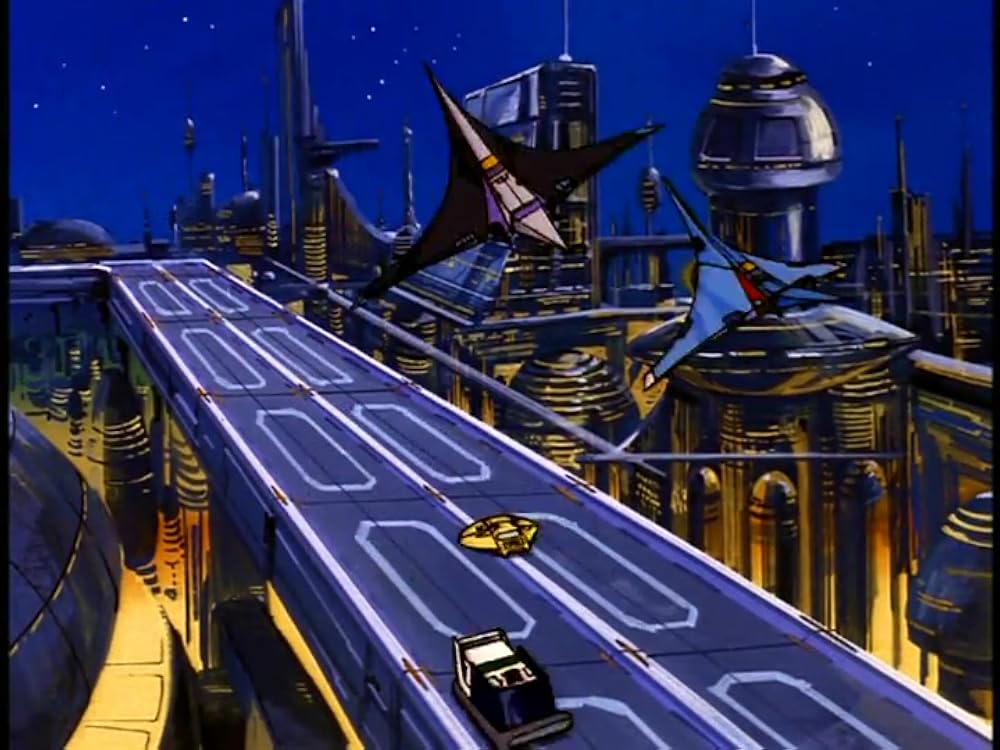
Since 1984, Transformers has moved through multiple animated series, comic-book universes, video games, feature films and toy lines. Each era has created its own audience. For some fans, Transformers means Generation One. For others, it means Beast Wars. Another generation entered through the live-action films. Others discovered the franchise through modern animation, comics or collector-oriented toys.
Yet the visual and thematic vocabulary established in 1984 remains remarkably powerful. The red-and-blue silhouette of Optimus Prime remains instantly recognizable. Megatron remains his ideological opposite. The Autobot and Decepticon insignias remain symbols understood around the world. The transformation sound itself has become part of popular culture.
A franchise built around change discovered how to remain recognizable while constantly transforming. Perhaps no property is more appropriately designed for reinvention.
There is another reason the franchise has endured. The original audience never completely left. The children who watched The Transformers in 1984 eventually became adults. They built careers, raised families and bought homes, and many eventually rediscovered the characters they had left behind.
The modern collector market made it possible to encounter those childhood icons again—not merely as reproductions of old toys, but as increasingly sophisticated interpretations designed specifically for adult enthusiasts. Some collectors rebuilt collections lost to time. Some bought the characters they could never find as children. Others introduced Transformers to their sons and daughters.
The relationship changed, but it did not disappear.
That is one of nostalgia’s most fascinating qualities. We rarely want childhood itself back. What we sometimes want is access to the feeling it created. A familiar package. A transformation sequence. Peter Cullen’s voice. The image of Optimus Prime raising his blaster.
Suddenly, decades collapse.
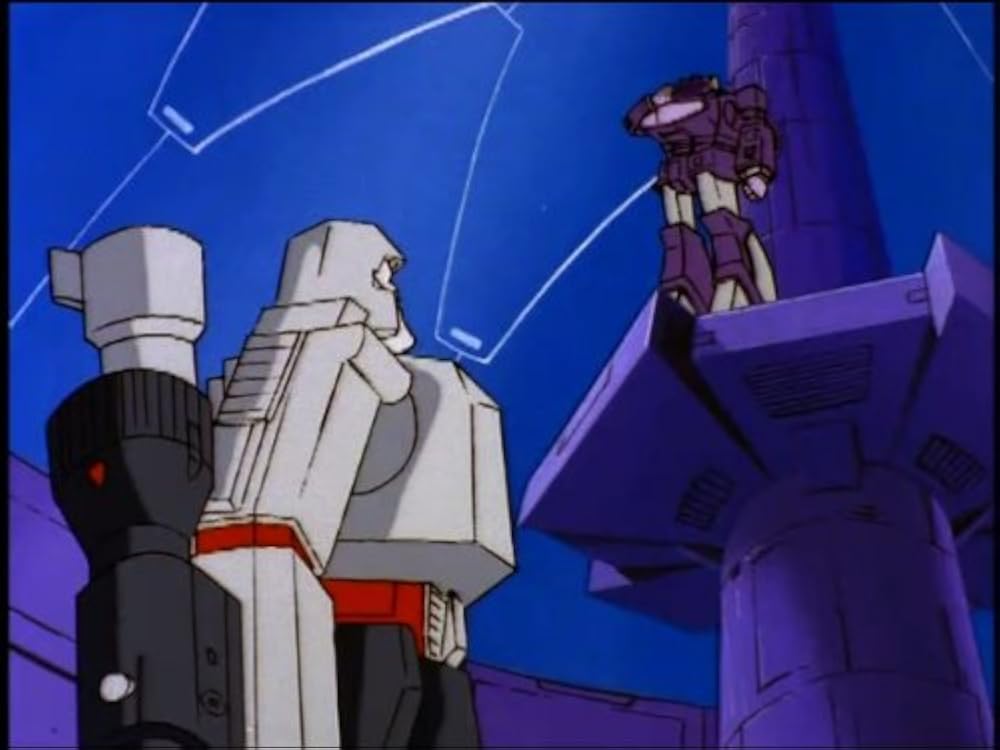
It is easy to view a premiere date as trivia, but in this case it represents something larger. On September 17, 1984, the first chapter of “More Than Meets the Eye” reached American television. On September 18, the story continued. On September 19, the original three-part introduction concluded. The larger story, however, had only begun.
No one watching those episodes could have known that children would still be collecting these characters more than four decades later. They could not have known that Transformers would become a major motion-picture franchise. They could not have anticipated convention halls filled with fans, shelves of premium collector figures, decades of comic books, video games or generations of children discovering Optimus Prime for the first time.
They certainly could not have known that September 17 would still be celebrated 42 years later.
And yet here we are.
The phrase “more than meets the eye” began as a brilliantly effective description of a toy. A car was more than a car. A jet was more than a jet. A truck was more than a truck.
Forty-two years later, the phrase could just as easily describe the franchise itself.
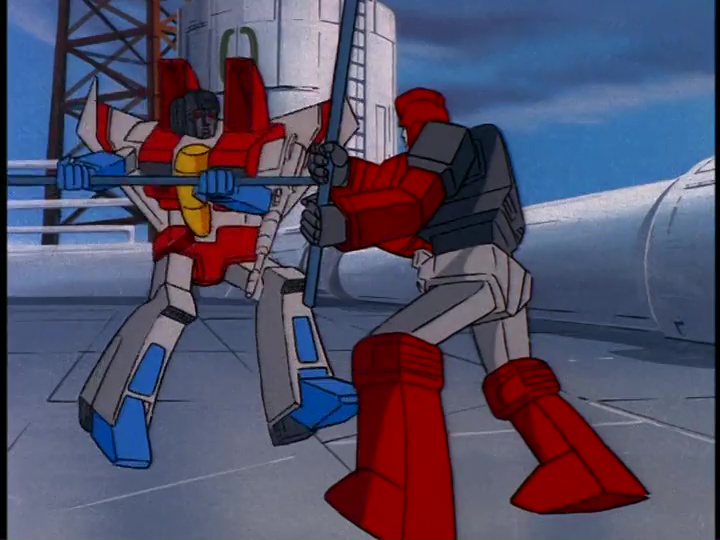
Transformers became more than a toy line. More than a cartoon. More than a successful piece of 1980s marketing. For millions of people, it became part of childhood. Then it became memory. Then nostalgia. Then something they could share with another generation.
The designs evolved. The animation changed. The toys became more sophisticated. The stories became larger. But somewhere at the center of it all remains the same image that captivated children in 1984: a red-and-blue truck transforms, a towering robot stands in its place, Optimus Prime speaks, and the Autobots roll out.
Forty-two years after September 17, 1984, The Transformers remains exactly what it promised to be from the beginning: far more than meets the eye.